

The story of Soma (សោមា) is one of the most captivating legends in Cambodian history, blending myth and reality to explain the origins of the Cambodian royal lineage, the fusion of indigenous and foreign influences, and the enduring power of cultural symbols. Soma, often referred to in Khmer sources as Neang Neak (នាងនាគ, litt. Dragon Woman), stands in the chronicles as the first known monarch of Cambodia and as its first queen. Her union with Kaundinya, an Indian Brahmin prince, marks the supposed founding of the Funan kingdom, widely recognized as the earliest Cambodian state. This foundational legend is celebrated not only for its historical significance, but also for its profound impact on Cambodian identity, culture, art, and religious traditions.

Soma: The Naga Princess and Warrior Queen
According to ancient records and popular folklore, Soma was the daughter of the Naga king—a mythical serpent deity associated with water, fertility, and the prosperity of the land. In Chinese sources, she is also known as Liǔyè (柳葉), meaning “Willow Leaf.” As a powerful female leader, Soma commanded a retinue of Naga warriors and ruled over the territory that would become the Kingdom of Funan. In most accounts, she is depicted as both a wise ruler and a formidable warrior, deeply tied to the fertility of the land and the sacredness of water in Cambodian culture.
The Arrival of Kaundinya: Myth or History?
Kaundinya, the other central figure in this legend, is said to have been guided by divine visions. As a Brahmin prince from India, he embarked on a sea journey instructed by the gods, carrying with him a magical bow meant to help him establish a new kingdom. Scholars often view the arrival of Kaundinya as symbolic of the Indian cultural and religious influence that began to permeate Southeast Asia during the early centuries CE.
Upon landing on Cambodian shores, Kaundinya encountered Soma and her army. Some local versions claim a battle ensued, but Kaundinya—wielding his divine bow—emerged victorious, earning Soma’s respect and, eventually, her hand in marriage. This union is celebrated as the merging of two worlds: the indigenous traditions personified by Soma and the Indian religious and political customs embodied by Kaundinya.
The Symbolism of Soma and Kaundinya’s Marriage
The marriage between Soma and Kaundinya carries deep symbolic meaning for Cambodians. It is seen as a fusion of heaven and earth, land and water, foreign and native. Soma’s serpent ancestry represents the elemental, animist beliefs rooted in Cambodia’s agricultural lifestyle, whereas Kaundinya’s arrival introduces Indian Brahmanic traditions, Sanskrit language, and Hindu jurisprudence.
The union is not only a mythological account but also explains several historical phenomena:
- The establishment of the Funan royal dynasty, from which subsequent Khmer kings claimed descent.
- The appearance of Naga motifs—a serpent symbol—in Khmer art, architecture, and royal ceremonies.
- The fusion of religious traditions: Hindu deities such as Vishnu and Shiva became central to Cambodian worship, while nature spirits remained vital.
- Maritime trade networks connecting Funan with China and India, central to the region’s prosperity.
Funan: Cambodia’s First Kingdom
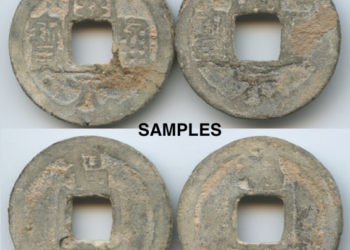
Funan is recognized as the first historically documented kingdom in Cambodia. Its rulers traced their ancestry to Soma and Kaundinya, thereby establishing both political legitimacy and divine sanction for their reign. Funan became a hub for trade, culture, and religious exchange, evidenced by archaeological finds, chiseled inscriptions, and Chinese accounts of the period.
The rule of Soma marks a rare case of female leadership in Southeast Asian history. Her story demonstrates the importance of women in Cambodian myth and governance, as well as the role of matrilineal descent in legitimizing royal power—a tradition visible even in traces of later Khmer monarchy.
Today, Soma is remembered not only as the queen who shaped the destiny of Cambodia but also as a powerful cultural symbol. The legend of Soma and Kaundinya remains central to Cambodian national identity, evoked in rituals, temples, folk art, and literature. It underscores values such as unity, cultural exchange, and respect for nature that define Cambodian society.
The naga symbol, directly linked to Soma’s myth, can be seen on the causeways of Angkor Wat, in the coils of temple balustrades, and in the ceremonial dances of Cambodia. These visual reminders reinforce the belief that Khmer kings, as descendants of Soma, possess both spiritual and earthly authority—a concept that has endured through the centuries.
The tale of Soma, the first queen of Cambodia, weaves together myth, history, and the emergence of Khmer identity. Through her union with Kaundinya, Cambodian civilization began a remarkable journey marked by cultural synthesis, artistic innovation, and royal authority rooted in sacred tradition. Soma’s legacy endures in the hearts and beliefs of Cambodians, offering inspiration and continuity in the country’s long history.
















Comments 1