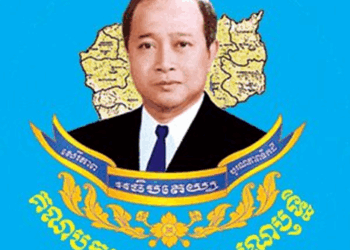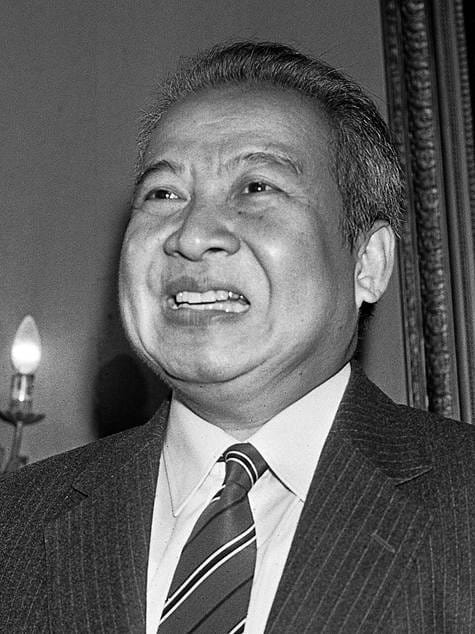
The Buddhist Liberal Democratic Party (BLDP) was a significant Cambodian political party founded in 1993 by Son Sann, a former Prime Minister of Cambodia and leader of the Khmer People’s National Liberation Front (KPNLF), which had been an anti-communist resistance group. The BLDP emerged as a successor to the KPNLF, positioning itself in Cambodia’s post-civil war multi-party political landscape.

Political Activities and Election Results
- In the 1993 Cambodian election, the BLDP won 10 seats in the National Assembly, securing about 3.8% of the vote, making it the third-largest party at the time.
- The party participated in a coalition government with the royalist Funcinpec Party and the Cambodian People’s Party (CPP) led by Hun Sen.
- The BLDP was a founding member of the Council of Asian Liberals and Democrats, reflecting its liberal and democratic orientation.
- Son Sann was the founding leader, but internal rivalry—especially with Ieng Mouly—led to a split.
- The party fractured in 1997, after which two new parties were created: the Buddhist Liberal Party (led by Ieng Mouly) and the Son Sann Party (backed by Son Sann’s supporters).
- Neither of these splinter groups succeeded in winning seats in the 1998 elections.
- The BLDP ceased operations after its dissolution in 1997.
- The BLDP is notable as a post-conflict liberal-democratic alternative, shaped by former resistance leaders.
- Its brief but impactful participation in government reflects the instability and multiparty complexities following the Paris Peace Accords and the end of civil conflict in Cambodia.
- The party’s split and eventual disappearance illustrate the volatility of Cambodian politics in the 1990s.
- In Khmer, the party is called “គណបក្សប្រជាធិបតេយ្យសេរីនិយមព្រះពុទ្ធសាសនា.”
- It is remembered as both a symbol of Cambodia’s short period of political openness and as an example of the internal discord often found in newly established, ideologically-driven political movements.
The BLDP remains a topic of academic and historical study, particularly among those interested in the evolution of liberal politics and Buddhist-inspired democratic movements in Cambodia.