Cambodia is a country where history, religion, and culture interweave in every corner. Among its most enduring symbols are the pagodas—sacred spaces known as wats (Khmer: វត្ត)—which rise majestically above the rice fields and bustling towns. These pagodas are far more than just religious monuments. They serve as centers of worship, guardians of Buddhist tradition, schools of moral education, and gathering spaces for community life. Their spires glitter with gold leaf under the tropical sun, holding within them centuries of devotion and cultural identity. To speak of Cambodian pagodas is to speak of the nation itself, as they embody the spiritual heart of Cambodia.

Roots in History
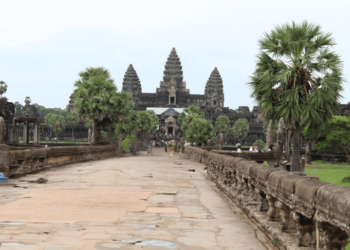
Pagodas in Cambodia trace their origins back to the deep influence of Indian civilization. Hinduism and Buddhism traveled into Southeast Asia through trade routes, and by the Khmer Empire’s zenith between the 9th and 13th centuries, Buddhist beliefs firmly took root. Throughout the empire’s reign, the great temples of Angkor—although not pagodas in the strict sense—laid the foundation for Cambodia’s architectural devotion. As Theravada Buddhism gradually became the dominant faith in the 14th century, the tradition of constructing pagodas spread across the kingdom.
Where the massive temple complexes symbolized the grandeur of royalty and divine kingship, the pagodas represented something more intimate: the day-to-day spiritual rhythm of life. They were built in villages, towns, and cities, standing not as colossal testaments to rulers but as communal shrines where laypeople and monks shared in spiritual practice.
Architectural Features
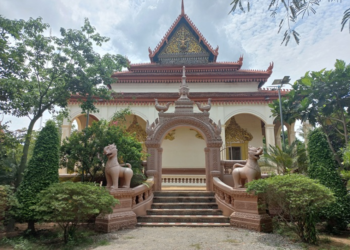
The Cambodian pagoda is instantly recognizable. Its primary structure often consists of a vihara (prayer hall), a stupa, the monks’ living quarters, and an open courtyard filled with smaller shrines and statues. The vihara is the spiritual core, where the central Buddha image sits in serene majesty. Roofs are steep and tiered, decorated with chofas—ornamental flourishes shaped like nagas or celestial figures that point skyward. The steep gables are richly painted or adorned with gilded carvings.
Stupas, typically white or gold, stand within the grounds holding relics or memorial ashes of the deceased. These stupas differ in size but always reflect a sense of reverence for both life and death. Monks’ quarters, meanwhile, provide practical living spaces where novices and senior monks dwell, study scriptures, and practice meditation.
Color plays an important role in pagoda architecture. Golden decorations symbolize enlightenment and the sacred aura of the Buddha. Red often represents strength or protection. White reflects purity. Together these colors create a tapestry of spiritual symbolism, resisting the tropical sun and monsoon rains, while reminding worshippers of the path to liberation.
Life Around the Pagoda
To understand Cambodian life, one must observe the rhythms of a pagoda. Every village possesses at least one wat, which serves not only as a religious anchor but also as a cultural and educational hub. Children often receive their earliest schooling within the pagoda, where monks teach basic Khmer literacy, Buddhist teachings, and moral values.
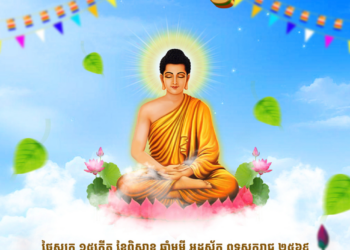
Festivals revolve around the pagoda calendar. Pchum Ben, the festival of the ancestors, is one of the most significant occasions when families gather at the pagoda to commemorate deceased relatives, offering food to monks and chanting prayers for the departed. Similarly, the Khmer New Year sees pagodas filled with devotees carrying fruits, flowers, and incense to mark the turning of the year with blessings.
Daily life is also intertwined with the pagoda. Monks leave the monastery each morning to walk barefoot into the village, bowls in hand, accepting alms of rice or food from laypeople. For villagers, this act of giving is not charity but a sacred practice that binds the community with spiritual merit. Offerings maintain the symbiotic link between the monastic and lay worlds.
Symbols of Resilience
Cambodia’s pagodas stand as silent witnesses to the nation’s struggles and resilience. During the Khmer Rouge regime, many pagodas were desecrated, destroyed, or repurposed as prisons and storage depots, as the regime sought to eliminate Buddhism from national life. Thousands of monks were killed, and sacred relics were lost. Yet after the fall of the regime, Cambodians rushed to rebuild their pagodas stone by stone, painting their walls anew, and re-consecrating them with chants and offerings.
This post-war revival of pagodas symbolizes more than religious rejuvenation. It reflects the cultural determination of the Cambodian people to restore their identity after a period of profound trauma. Even today, pagodas continue to serve as memorials where stories of suffering are remembered and new generations are taught the importance of compassion and resilience.
Regional Variations
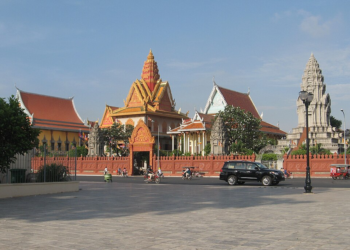
While sharing common architectural principles, Cambodian pagodas vary from region to region. In the plains near Phnom Penh, one can find grand urban pagodas with tall stupas and ornate gates accommodating large communities. In rural provinces, pagodas are simpler, made of wood and brick, often blending harmoniously with rice fields and coconut palms.
Among the Cham Muslim communities, the absence of pagodas provides an interesting cultural contrast. This diversity highlights the mosaic of Cambodia’s spiritual life, reminding that the pagoda, while central, is not all-encompassing. Still, even in remote provinces, the sight of a shining golden spire against the skyline assures travelers that they are near a Cambodian town or village.
The Pagoda and the Arts
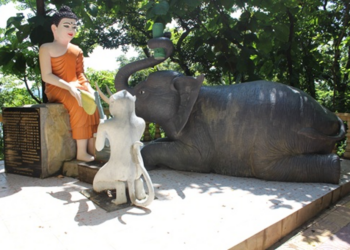
Pagodas are also protectors of Cambodia’s artistic heritage. Murals decorating their inner walls depict scenes from the Reamker, Cambodia’s version of the Ramayana epic, or illustrate episodes from the Jataka tales of the Buddha’s previous lives. These paintings not only serve to beautify the space but also provide a visual education to the faithful, many of whom historically could not read scriptures. Statues of nagas, apsaras, and mythical lions guard the entrances, blending Hindu and Buddhist iconography into a distinct Khmer style.
Traditional music and dance often accompany pagoda festivals. Over centuries, the pagoda has provided a stage for the preservation and performance of Cambodian arts, ensuring they remain central to cultural memory.
Modern Role of Pagodas
In the present day, Cambodian pagodas continue to anchor social and religious life, but their role expands beyond tradition. Many serve as centers for charity, collecting donations for the poor, hosting medical and educational programs, and responding to community crises such as floods or droughts. They also attract visitors from around the world who come not only to witness the beauty of Khmer architecture but also to learn from the peaceful aura of Buddhist teachings.
At the same time, modern pagodas face challenges. Rapid urbanization surrounds some pagodas with noise and development, straining their quiet sanctity. Tourism, while beneficial, sometimes risks commercializing sacred spaces. The need to balance tradition with modern life is an ongoing conversation in Cambodian society, where preserving the essence of the pagoda remains paramount.
A Spiritual Skyline
To travel across Cambodia is to glimpse hundreds of pagodas rising above the horizon. Each stands as a testament to the enduring soul of the country, shimmering under the morning light or glowing at dusk as the chants of monks float across the air. These places remind both Cambodians and visitors alike of the values of compassion, mindfulness, generosity, and forgiveness.
At their core, Cambodian pagodas are more than bricks and gold. They are living embodiments of a nation’s resilience, repositories of memory, and daily companions in the lives of millions. Whether during times of joy, sorrow, or transition, they remain steady guardians of tradition and faith. The sound of temple bells, the scent of incense, and the serene gaze of the Buddha continue to weave together the Cambodian spirit, ensuring that the legacy of the pagoda endures for generations to come.