Soft river light, slow traffic, and tuk-tuks drifting by: this fleeting moment at Phnom Penh’s edge of water and asphalt invites you to pause and breathe in the city’s gentle rhythm.

In this brief scene, the city is dreaming along the river as the light slides across the pavement and the water beyond. Motorbikes and tuk-tuks pass in small, steady waves, never quite rushing, never fully stopping. The air feels wide open here, where sky, river, and road meet in a simple, everyday harmony.
If you look closely, you might notice the small gestures that define Phnom Penh: a driver adjusting a cap against the sun, a passenger turning to catch the breeze, a vendor’s cart waiting just outside the frame. Somewhere nearby, the smell of strong iced coffee and grilled corn drifts toward the riverside promenade, carried by the same breeze that touches the water. These quiet details are how the city says hello to those who take the time to watch.
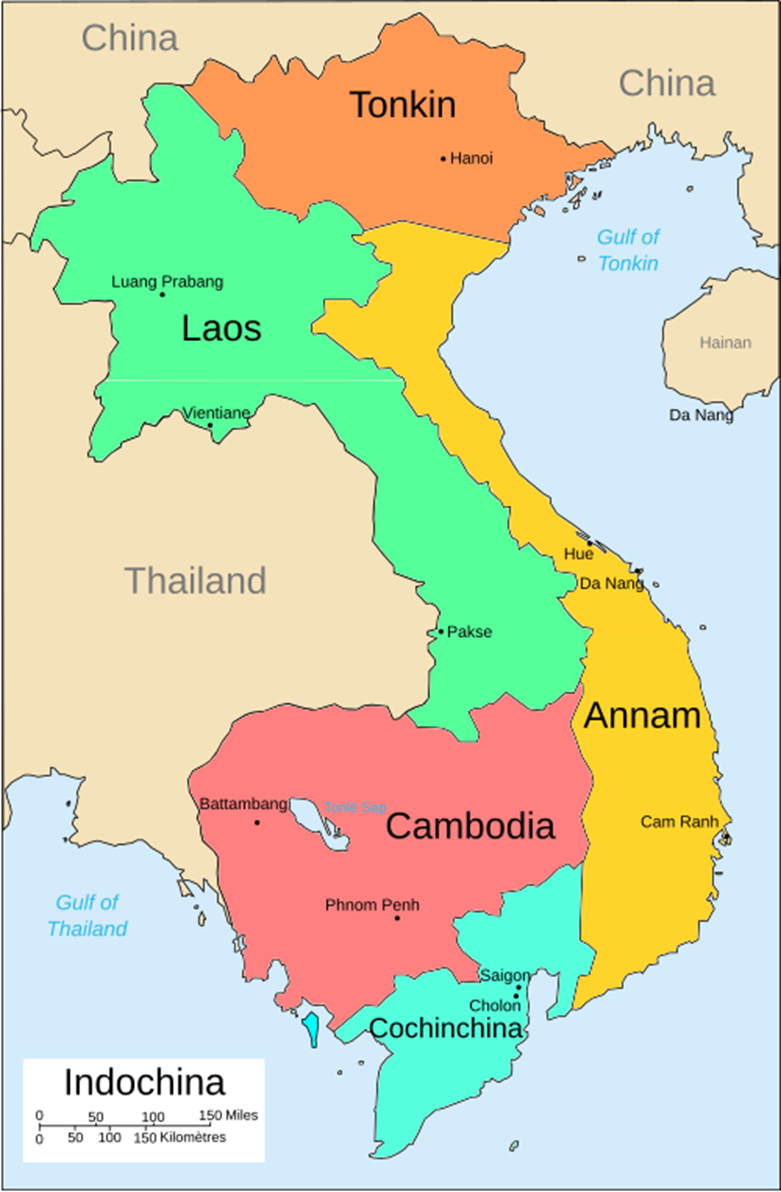
The river itself has long been at the heart of Phnom Penh’s life, where the Tonle Sap and Mekong meet and trade, migration, and memory have flowed for centuries. Along these banks, royal processions once glided past, and wooden boats carried farmers, monks, and merchants between villages and the growing capital. Today, the scene is simpler, but the same water reflects the same sky, tying everyday commutes to a deeper story of the city.
For travelers, this is a moment worth seeking in person: stand by the railing in the early hours or late afternoon, and let the passing traffic become a backdrop rather than a disturbance. Watch how locals weave through the city with ease, how the light changes color on the river, how Phnom Penh reveals itself not in monuments alone, but in these small, living movements. A short pause here can become one of your most lasting memories of Cambodia’s capital.