Khmer cuisine is one of Southeast Asia’s quiet treasures: subtle, balanced and deeply rooted in river, rice field and village life. In this introduction, we explore its flavors, history and daily staples, including a very French guest that never left – the Cambodian baguette.
Introduction: More Than Just “Another Asian Food”
If you know Thai food and Vietnamese pho, you might assume Khmer cuisine is simply the shy cousin in the background. It is not. Cambodian food has its own vocabulary of flavors, its own pantry and a fascinating history that reaches from Angkor to French colonial bakeries.
This article is for curious eaters, travelers, food writers and anyone who suspects that Cambodia has more to offer than “fried rice and noodles.” You will get a clear overview of Khmer cuisine, its everyday dishes, its famous fermented paste, and the surprising love story between Cambodians and the baguette.
By the end, you should be able to walk into a local eatery in Phnom Penh or Siem Reap, read the menu with confidence, and understand why a bowl of simple rice soup at dawn can tell you as much about Cambodia as any temple carving.
Land of Rice, Rivers and Seasons
Khmer cuisine begins with geography. Cambodia is a country of rice paddies, the Tonle Sap Lake, the Mekong River, and sharply defined wet and dry seasons. Food culture follows these rhythms.
- Rice is the central starch, eaten at practically every meal.
- Fish from rivers and lakes supply much of the protein.
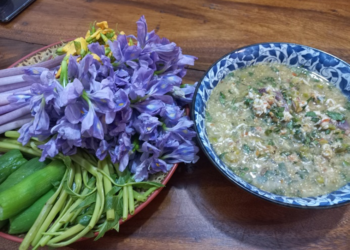
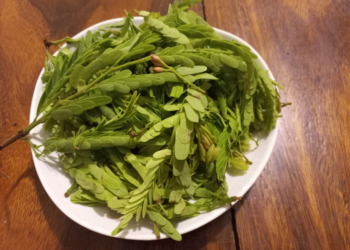
- Flooded fields provide wild greens, herbs and aquatic plants.
Where other cuisines might be built around wheat or noodles, Cambodian food starts with steamed rice and builds flavor around it. A typical meal is less about one heroic dish and more about the harmony of several small plates on the table.
Ancient Khmer inscriptions and bas reliefs show scenes of fishing, rice cultivation and offerings of food. The idea of balancing flavors light saltiness, gentle sourness and perfume from herbs has very old roots here.
Historically, Khmer cuisine absorbed influences from:
- India and Sri Lanka spices, religious dietary practices
- China noodles, soy sauce, stir frying
- Neighboring Thailand and Vietnam chili, certain desserts, snacks
- France bread, coffee, pâté
Yet the core remains distinct. Cambodian food tends to be less aggressively spicy than Thai, less sweet than many Vietnamese dishes, and more focused on fresh herbs and broths than heavy sauces.
The Flavor Architecture of Khmer Food
The Gentle Five: Sweet, Sour, Salty, Bitter, Umami
You will find the usual flavor friends in Khmer cuisine, but the balance is particular:
- Sweet is usually soft, coming from palm sugar rather than refined sugar.
- Sour is often lime, tamarind, young mango, star fruit or fermented ingredients.
- Salty arrives via fish sauce, fermented fish and salt itself.
- Bitter appears in certain greens and herbs, appreciated rather than feared.
- Umami is carried by fish, dried shrimp, prahok and long-simmered broths.
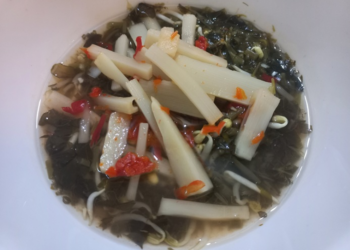
An everyday example is samlor machu (sour soup). It is not “powerfully sour” like some regional dishes. It is gently tart, with vegetables and herbs floating in a clear broth that feels both light and satisfying.
Prahok: The Fermented Soul of Cambodia
If Khmer cuisine had a passport, prahok would be the photo. Prahok is a fermented fish paste made from freshwater fish, salted and then aged until it develops a deep, assertive aroma.
People often talk about prahok the way others talk about strong cheese. At first contact, you may hesitate. Then one day you realize the entire dish would collapse without it.
Prahok appears:
- Cooked with pork or fish and served with fresh vegetables
- Used to season soups and stews
- Mixed into relishes that accompany rice
For outsiders, prahok can be the turning point. Once you accept it, Khmer cuisine opens up like a new dictionary where half the words suddenly make sense.
Everyday Khmer Dishes You Should Know
Rice, Soup and Relishes: The Daily Trio
A typical Cambodian meal at home often includes:
- Steamed rice
- A soup, usually clear broth with vegetables and maybe meat or fish
- One or two stir fries or stews
- Fresh herbs, greens and a dipping sauce
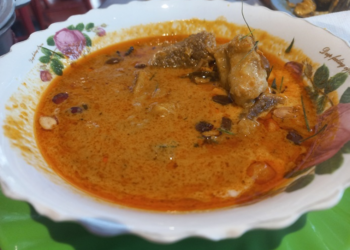
One classic is samlor kor ko, a hearty vegetable and meat stew where crushed rice is used as a thickener. It feels like the countryside in a bowl.
Another is borbor, rice porridge eaten at breakfast or when someone is sick. Do not underestimate borbor it can be enriched with minced pork, preserved egg, strips of ginger, and fresh herbs, making it a very comforting dish.
The Art of Grilling and Street Snacks
Grilled meats and fish are everywhere, especially in the evening:
- Grilled fish stuffed with lemongrass and herbs
- Marinated beef skewers known as “Sach Ko Ang”
- Chicken wings and various mysterious parts over charcoal
On the street you will also find:
- Num pang (we will return to this baguette)
- Fried noodles, often with dark soy and greens
- Rice cakes, palm sugar sweets, banana leaf snacks
Khmer cuisine rewards curiosity. The safest approach is to start with something recognizable, then ask the vendor to explain one unfamiliar dish. Many will happily give you a mini cooking lesson over the counter.
French Influence: Coffee, Baguette and Pâté
How the Baguette Landed in Phnom Penh
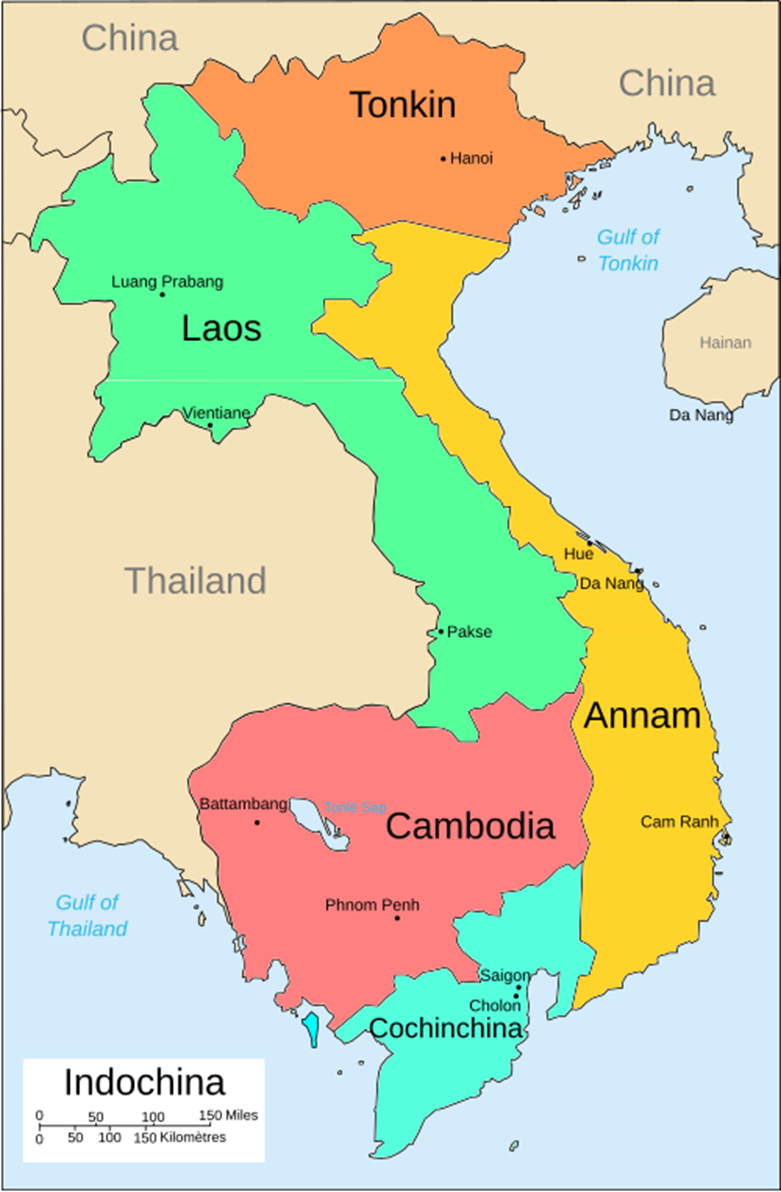
During the French colonial period, bakeries appeared in Cambodian towns. Wheat flour never became a local crop, but baguettes became a beloved urban habit. After independence and war, this heritage survived, not as a luxury but as a practical street food foundation.
In Cambodia, baguette is part of daily life:
- Sold early in the morning on bicycles and roadside stalls
- Eaten by schoolchildren, office workers and monks
- Used in sandwiches, dipped in coffee or served with curries
Interestingly, while France moved on to all sorts of fancy artisan bread trends, Cambodia remains very faithful to the classic form long loaves with a crispy exterior and soft interior, adapted to local tastes.
Num Pang: The Khmer Baguette Sandwich
Num pang is Cambodia’s answer to the baguette sandwich. It looks like a cousin of the Vietnamese bánh mì, but it speaks Khmer.
A typical num pang may include:
- Baguette lightly toasted over charcoal
- Local pâté or grilled pork
- Pickled carrot and daikon
- Cucumber, coriander and sometimes chili
- A light sauce, often soy-based or with a touch of Maggi, plus sometimes prahok in the background of the seasoning
You will find num pang stalls near markets, schools and bus stations, often with towers of baguettes balanced precariously next to baskets of fresh vegetables.
One charming detail is the way Khmer cuisine treats the baguette as just another utensil. It can scoop up curries, prahok-based relishes or even canned sardines in tomato sauce. French technique meets Cambodian pragmatism.
Colonial Echoes in Coffee and Dessert
French influence also appears in:
- Strong coffee, often with condensed milk, sometimes served alongside bread
- Pâté and “fromage” style spreads, locally adapted
- Certain cakes and custards that coexist with traditional Khmer desserts
Yet these elements never dominate the table. They float gracefully on a sea of rice, herbs and fish, like a souvenir that decided to stay forever without trying to take over the house.
Herbs, Condiments and the Khmer Pantry
Khmer cuisine would feel incomplete without its herb layer. Common players include:
- Lemongrass, kaffir lime leaves, galangal
- Holy basil and other basils
- Coriander leaves, spring onion
- Saw tooth herb and rice paddy herb
Herbs are often added at the end of cooking, or simply placed on the table for diners to tear and add according to their taste. This keeps dishes bright and customizable.
Expect at least one condiment on the table, often several:
- Fish sauce with chopped chili
- Soy sauce combinations
- Fermented fish or shrimp-based dips
- Lime and pepper blends
These allow each person to fine tune saltiness, heat and sourness. Khmer cuisine trusts the eater. The cook provides a balanced starting point, and the diner finishes the job.
Regional Variations and Seasonal Eating
Cambodia is not huge, but food varies by region:
- Around the Tonle Sap, freshwater fish and prahok are central.
- In the Mekong plain, you find more river fish and certain vegetables.
- Along the coast, seafood, crab, squid and Kampot pepper appear more often.
The same dish name may taste slightly different in Battambang, Kampot or Siem Reap. This keeps travel interesting. You are not just seeing new temples you are tasting new interpretations of familiar recipes.
Dry season brings certain fruits and river conditions; rainy season floods fields and changes fish availability. Rural families adapt their cooking naturally to what exists at that moment.
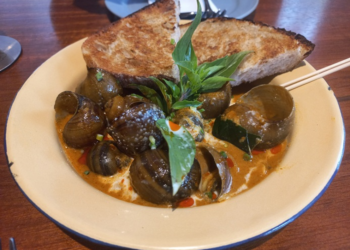
For visitors, one simple tip is to pay attention to what you see on market tables. If everyone is selling green mango and snails today, there is probably a reason. Ask the seller how they cook it and you will learn more in five minutes than from any glossy brochure.
Tips for Discovering Khmer Cuisine
A few practical suggestions:
- Start with shared meals rather than ordering one giant plate just for yourself.
- Ask for “samlor” if you want soup, “cha” for stir fry.
- Try at least one dish with prahok, even in a mild form.
- Taste num pang from a busy stall early in the morning.
If you are vegetarian, specify clearly, and consider prahok and fish sauce issues. Many places can adapt dishes, but you need to explain your preferences patiently.
If you land in Phnom Penh or Siem Reap:
- Look for simple family restaurants rather than only high end “Khmer fine dining.”
- Visit local markets early morning, when food stalls are most active.
- Take note of how Cambodians eat breakfast, lunch and dinner different meals, different tempos.
Documenting Khmer cuisine through photos, notes or blog posts is a good way to remember details and share this still underrepresented culinary tradition with a wider audience.
For a selection of Khmer restaurants in Siem Reap, check out our “5 Favorite Khmer Restaurants in Siem Reap.”
Khmer cuisine is a quiet, intricate world built on rice, rivers, herbs and the gentle alchemy of prahok. It carries echoes of Angkor, influences from neighbors, and a clearly visible French fingerprint through baguette, coffee and pâté. Exploring Cambodian food means learning to appreciate balance over drama, everyday meals over festival dishes, and the way one simple num pang at a street corner can summarize a whole chapter of culinary history.
Pascal Médeville is a writer and digital publisher based in Cambodia, focusing on Khmer culture, history and everyday life. He explores Cambodian cuisine, street food and French colonial legacies for Wonders of Cambodia and related projects. His articles often bridge careful research with practical tips for curious travelers and food lovers.