Explore Cambodia through the Pictures of the Day published by Wonders of Cambodia in August 2026. From Khmer culture and Cambodian food to temples, Phnom Penh streets, nature, and Cambodia landscapes, this visual journey reveals the Kingdom through everyday moments and remarkable places.
A picture is worth a thousand words
Sometimes, a single photograph can say more about Cambodia than a long explanation. A street scene, a traditional dish, an old monument, or a plant in bloom can capture a moment, a place, and a feeling that words alone struggle to describe.
Throughout August 2026, Wonders of Cambodia continued its Pictures of the Day series with photographs exploring many sides of the Kingdom. Together, these images form a small visual journal of Cambodia, moving from Phnom Penh and ancient monuments to Cambodian cuisine, nature, traditional crafts, and scenes from everyday life.
Rather than presenting Cambodia as a collection of famous tourist attractions, the series looks at the country through many different lenses. This is Cambodia as it is experienced, photographed, remembered, and enjoyed.
Temples, monuments, and history
Cambodia’s ancient heritage remains one of its greatest visual treasures. The August selection includes photographs connected to the country’s architectural and historical legacy, from Khmer monuments to scenes that evoke the long history of Angkor and the kingdoms that shaped Cambodia.
The Terrace of the Elephants at Angkor Thom, photographed in 1938, offers a fascinating historical perspective. Seen alongside contemporary photographs, such an image reminds us how much Cambodia has changed while preserving remarkable links to its past. Another image presents Khmer warriors at the Bayon, while a historical representation of Angkor and the Chola Empire adds another layer to the story of the Khmer world.
The collection also turns to religious and artistic traditions. A Khmer mural from Phnom Penh’s Silver Pagoda provides a glimpse of Cambodia’s rich visual culture, while other photographs bring attention to pagodas, historic buildings, and places connected with the country’s heritage.
For visitors planning Cambodia travel, these photographs suggest that the country’s history is not confined to one archaeological site. Angkor Wat is an essential part of the Cambodian experience, but Cambodia’s heritage can also be encountered in Phnom Penh, provincial towns, pagodas, museums, and everyday surroundings.
Cambodian food through the lens
Food is another powerful way to discover Khmer culture, and several August photographs celebrate the diversity of Cambodian cuisine.
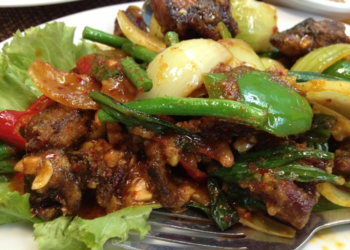
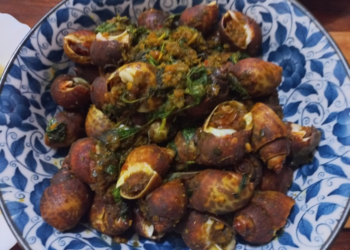
The selection includes saraman beef curry, beef innards salad from Kampong Thom, Cambodian pickled bamboo shoots, fresh herbs with shrimp dipping sauce, and chap chay, a dish associated with Cambodian New Year. It also explores more unusual ingredients and preparations, including stir-fried sea snails, Cambodian eels cooked with spices, and a variety of desserts.
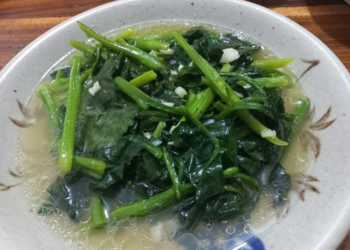
Other images highlight Cambodian sweets and home-style cooking, including banana cake with coconut cream, floating island dessert, tapioca with lotus seeds, and traditional ingredients such as tamarind leaves and bamboo shoots.
These photographs show why Cambodian food deserves to be part of any list of things to do in Cambodia. Eating is not simply a practical necessity. It is a way of experiencing regional ingredients, family traditions, local habits, and the variety of flavors found across the country.
Phnom Penh and everyday Cambodia
Cambodia photography can also reveal a great deal without showing a famous landmark.
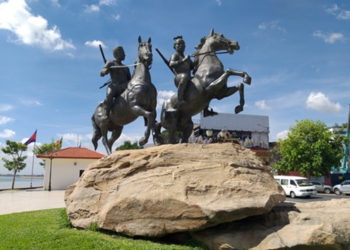
Several August images focus on Phnom Penh and ordinary urban life. An old commissariat near Wat Phnom, an electric vehicle charging station, a modern city scene along the river, and monuments such as the statues of Techo Meas and Techo Yat all contribute to a portrait of a capital where history and modernity exist side by side.
This contrast is one of the most interesting aspects of Cambodia today. Contemporary infrastructure appears beside colonial-era buildings, Buddhist institutions, traditional food, and monuments linked to the nation’s past.
The collection also looks beyond the capital. A young weaver on Koh Dach recalls the importance of traditional crafts, while Mekong picnic huts evoke a slower rhythm of life close to the river. These quieter images can be just as meaningful as the country’s major attractions. They show Cambodia as a lived-in place rather than simply a destination.
Nature, plants, and Cambodia landscapes
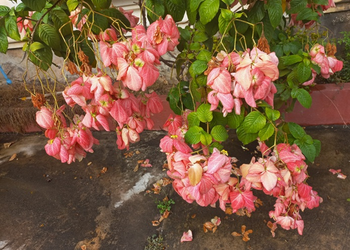
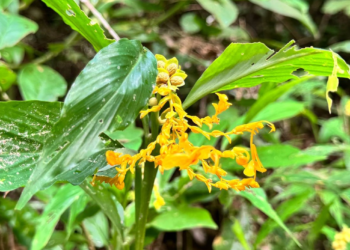
Nature provides another recurring theme in the August collection: flowers, trees, leaves, vegetables, and other plants appear throughout the series. An oy moy tree in bloom, yellow trumpetbush flowers at a Takeo pagoda, aloe vera at the Angkor Botanical Garden, and dancing lady ginger flowers in Angkor Thom demonstrate the extraordinary variety of Cambodia’s plant life.
The photographs also include the Mekong and rural surroundings, reminding us that Cambodia landscapes are not limited to dramatic mountains or famous viewpoints. Rivers, gardens, villages, agricultural areas, pagodas, and roadside vegetation all form part of the country’s visual identity.
For travelers interested in Cambodia photography, these details offer endless subjects. Sometimes the strongest image is not a monumental temple but a flower, a plate of food, a tree, or a quiet stretch of river.
A Cambodia beyond the postcard
What makes the Pictures of the Day series particularly interesting is its diversity.
One photograph might bring the viewer close to the architecture of Angkor, another to a bowl of traditional food, another to a Phnom Penh street, and another to a Cambodian plant in bloom. Together, they create a broader picture of the Kingdom.
This approach also reflects how Cambodia is experienced in real life. Travel here is not only about checking famous sites off a list. It can mean wandering through markets, discovering provincial cuisine, noticing architectural details, visiting a pagoda, crossing the Mekong, talking with craftspeople, or simply paying attention to the landscape.
The August collection captures that diversity through photographs made at different moments and in different places, from Phnom Penh and Siem Reap to Takeo, Kampong Thom, Kandal, and Koh Dach.
Looking at Cambodia one picture at a time
August 2026 offered another month of visual discoveries for Wonders of Cambodia.
From ancient Khmer heritage and Cambodian cuisine to flowers, rivers, crafts, streets, and everyday life, these photographs show a country that is both deeply rooted in its history and constantly changing.
That is perhaps the real value of photography. It slows us down. It encourages us to look more carefully at familiar places and notice details we might otherwise overlook.
And in Cambodia, there is always another detail worth noticing.
You can download the pdf file below or check the animated version on Wonders of Cambodia’s Youtube channel.