
Tboung Khmum Province (ខេត្តត្បូងឃ្មុំ), located in the central lowlands of the Mekong River in eastern Cambodia, is a relatively new administrative region with a rich cultural heritage, diverse population, and strategic geographic position. Established officially on December 31, 2013, by royal decree from King Norodom Sihamoni upon the recommendation of Prime Minister Hun Sen, Tboung Khmum was created by splitting the former Kampong Cham Province into two parts to improve administrative efficiency and political management.
Geography and Location
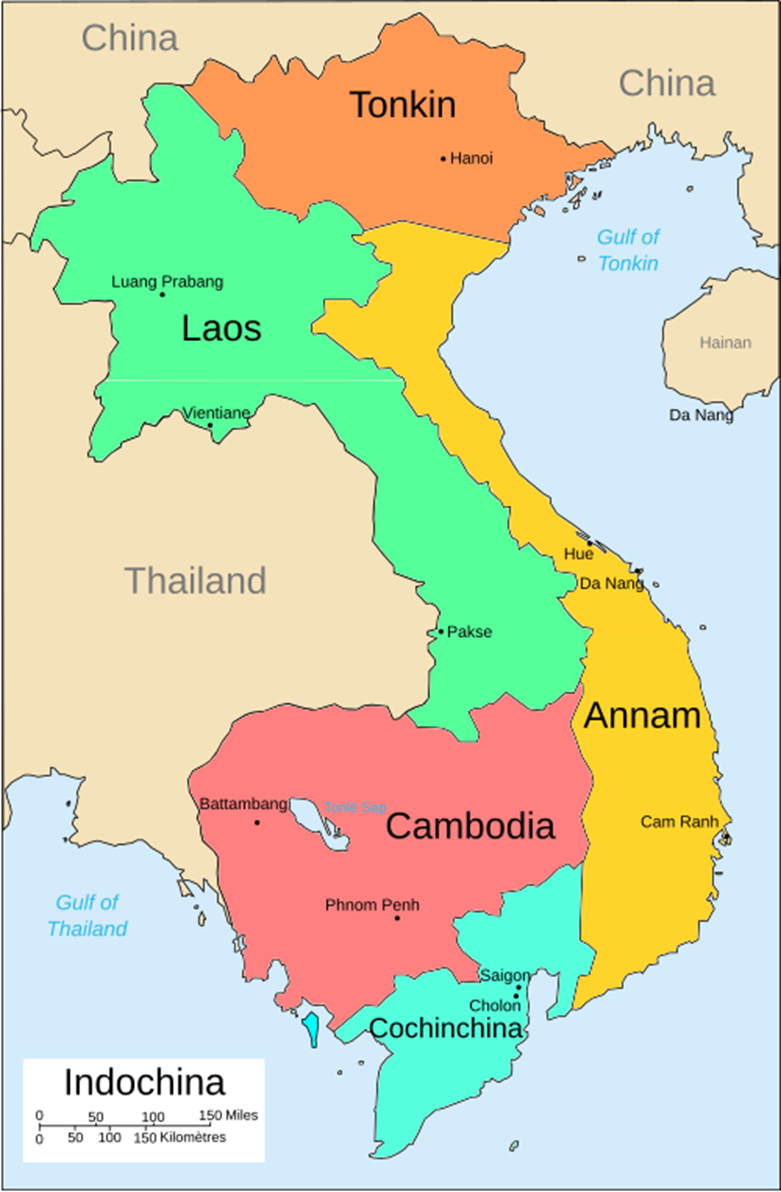
Tboung Khmum Province covers an area of approximately 5,250 square kilometers and is bordered by Kampong Cham Province to the west, Kratié Province to the north, Prey Veng Province to the south, and shares a 143-kilometer international border with Vietnam to the east. This border with Vietnam includes one international checkpoint, Trapaing Phlong, and two bilateral gates, Dar and Tonle Cham, facilitating cross-border trade and cultural exchange. The province’s terrain is predominantly flat and fertile, lying within the Mekong River basin, which supports extensive agricultural activities. The climate is tropical, with a warm and humid atmosphere year-round, marked by a monsoon season that brings abundant rainfall, ideal for cultivating rice and other crops.
Administrative Divisions
Tboung Khmum is divided into six districts and one municipality, Suong City, which serves as the provincial capital and largest urban center. The districts are Dambae, Krouch Chhmar, Memot, Ou Reang Ov, Ponhea Kraek, and Tboung Khmum district itself. Memot and Ponhea Kraek districts are located along the border with Vietnam, making them significant for cross-border relations and trade. The province contains 62 communes and 873 villages, reflecting a largely rural population spread across a substantial area.
Demographics and Culture
As of 2019, Tboung Khmum had a population of over 776,000 people, making it the eighth most populous province in Cambodia. Most inhabitants are ethnic Khmers who practice Theravada Buddhism, which deeply influences the province’s cultural practices and festivals. Tboung Khmum is notable for having the highest percentage of Muslims in Cambodia, approximately 11.8%, and it also has the largest concentration of the Cham ethnic group, who are predominantly Muslim, comprising around 15% of the population. This ethnic and religious diversity enriches the cultural fabric of the province, with traditional Cham customs, music, and dance being important aspects of local life.
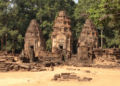
Major cultural celebrations include the Khmer New Year and Pchum Ben, a festival honoring ancestors, which are widely observed. The province also preserves various historical and cultural sites, including temples and ancient monuments that testify to its long history and the resilience of its people.
Economy and Agriculture
Agriculture is the backbone of Tboung Khmum’s economy, supported by the fertile Mekong floodplains and favorable climatic conditions. The province is a significant producer of rice, cassava, rubber, cashew nuts, and pepper. The large Chup Rubber plantation, located in Tboung Khmum district, is a key economic asset, covering much of the district’s land and contributing substantially to both the local and provincial economies. Besides rubber, other cash crops such as cashew and pepper are cultivated, reflecting the province’s agricultural diversity.
The proximity to Vietnam and the presence of international and bilateral border gates facilitate trade and commerce, helping to integrate the province into regional markets. This strategic location also encourages cross-border cultural interactions and economic cooperation.
Historical Context
Historically, the area that is now Tboung Khmum was part of Kampong Cham Province. The name “Tboung Khmum” itself means “amber” or “bee jewel” in Khmer, symbolizing something precious and vibrant.
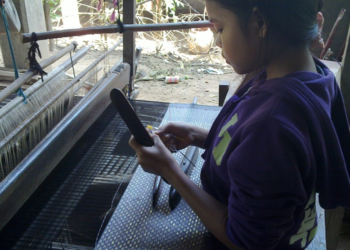
The province also has a rich intangible heritage, including local legends, traditional crafts, and historical sites such as Banteay Kou or Moum village, which reflect the region’s deep historical roots and cultural continuity.
Infrastructure and Development
Suong City, the provincial capital, is the administrative and economic hub of Tboung Khmum. The city and the province overall have been developing infrastructure to support agriculture, trade, and tourism. Road networks connect the districts internally and link the province to neighboring provinces and Vietnam. The international border checkpoint at Trapaing Phlong is a critical gateway for goods and people crossing between Cambodia and Vietnam.
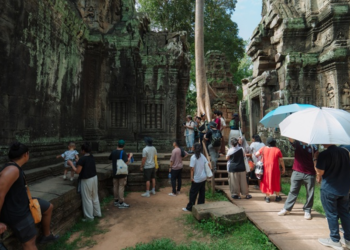
Efforts to promote tourism focus on the province’s natural beauty, cultural heritage, and historical sites. The tropical climate and rural landscapes offer opportunities for eco-tourism and cultural tourism, especially during festivals and traditional ceremonies.
Challenges and Opportunities
Tboung Khmum faces challenges common to many rural Cambodian provinces, including the need for improved infrastructure, healthcare, education, and sustainable economic development. The province’s agricultural sector, while strong, is vulnerable to climate change and market fluctuations. Enhancing value-added agricultural processing and diversifying the economy are potential growth areas.
The province’s ethnic and religious diversity presents both opportunities for cultural tourism and challenges in ensuring social cohesion and equitable development. Cross-border cooperation with Vietnam offers economic prospects but requires careful management to balance trade benefits with local community interests.
Tboung Khmum Province is a vibrant and strategically located region of Cambodia with a unique blend of cultural diversity, historical significance, and agricultural wealth. Since its establishment in 2013, it has been developing its administrative capacity and infrastructure to better serve its population of over three-quarters of a million people. With its fertile lands, rich traditions, and important border location, Tboung Khmum is poised to play an increasingly significant role in Cambodia’s economic and cultural landscape.