This week’s Pictures of the Week on Wonders of Cambodia linger in the quiet corners where taste, memory, and landscape unfold at a human pace. From a French sculptor’s embrace to roadside bread, coastal fruit, and night-blooming flowers, the images invite us to slow down and notice how Cambodia holds both softness and resilience. Together they sketch a country where art, food, and nature speak in low, steady voices rather than grand declarations.
“Shakuntala Embrace by Camille Claudel” places a late‑19th‑century French sculpture into Cambodia’s visual diary, letting the tender reunion of Shakuntala and her lover echo across cultures. The tight embrace, born from an ancient Sanskrit play and sculpted with painstaking attention to the human body, resonates with Cambodian stories of separation and return, whether through migration, war, or everyday departures. Set within Wonders of Cambodia, the piece becomes a reminder that emotional landscapes—as much as physical ones—shape how we see the Kingdom of Wonder.
“Crispy Nom Pang Chien at Maedy in Siem Reap” turns a simple toasted bread into a layered Khmer comfort. The platter’s pork, fish cake, fresh cucumber, cabbage, and herbs sketch the everyday generosity of Cambodian food: crisp textures, clean greens, and modest surroundings that welcome locals and travelers alike. In a town known for temples and tourism, this plate anchors us in the intimate pleasure of a shared meal on Sivutha Road.
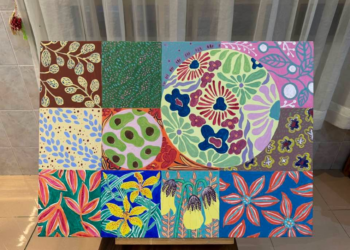
In “Orchids Dialogue in Silence – Tith Veasna Botanical Art”, Cambodian orchids become quiet speakers through color and rhythm. Tith Veasna’s botanical patterns echo her broader practice where textiles, floral grids, and fragments of memory are patiently woven into new narratives. Here, petals and stems seem to converse without words, mirroring how many stories in Cambodia—especially those shaped by trauma and survival—are carried in gestures, landscapes, and small details rather than in official texts.
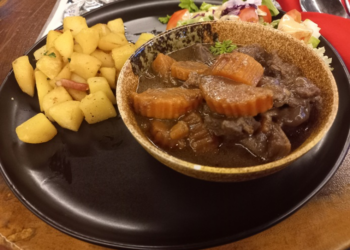
“Boeuf-Carottes Comfort in Siem Reap” introduces a classic French stew into the Cambodian setting, a sign of the long culinary dialogue between France and Cambodia. Slow‑cooked beef and carrots, likely paired with bread or rice, become a cross‑cultural comfort food shared in a town that has welcomed travelers, expatriates, and returning Cambodians for decades. In this gentle plate, European technique meets tropical life, suggesting how Siem Reap’s kitchens absorb influences while keeping their own sense of place.
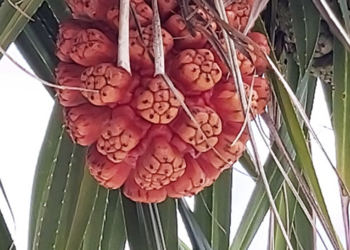
“Pandanus Fruit by the Kampot Sea” lifts our gaze to a screw‑pine cluster glowing above a coastal path. The ripe pandanus, catching warm light and salt air, marks the intersection of ecology and livelihood, since this resilient tree helps shape Kampot’s atmosphere and coastal economies. With the sea just beyond, the image suggests how Cambodian shorelines remain both working landscapes and places of quiet contemplation.
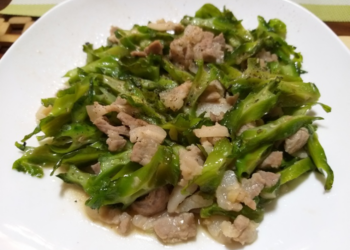
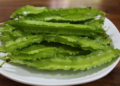
“Winged Bean Sautéed with Pork in Cambodia” offers a close look at a homely stir‑fry built from winged beans, sliced pork, and aromatics. The crisp green ridges of the beans and the browned meat speak of gardens, markets, and kitchen improvisation, where cooks transform seasonal produce into nourishing everyday dishes. It is the kind of food that rarely appears in glossy brochures yet defines daily life far more than banquet tables ever do.
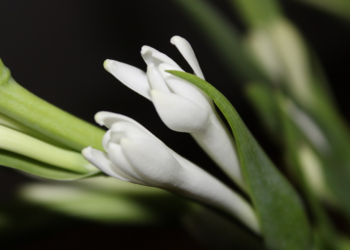
“Tuberose Blossoms in Cambodia” steps into the scented realm of Cambodian evenings, when tuberose quietly releases its fragrance. These pale, elongated blossoms, often grown near homes or pagodas, join jasmine and other fragrant flowers in the region’s informal botanical heritage. Their soft presence in gardens and markets hints at the importance of scent in Cambodian memory—from ceremonies and offerings to private recollections of childhood courtyards and village paths.
Taken together, this week’s images trace a path through quiet flavors and gentle places, moving from sculptures of longing to orchids of silence, from bread and stew to beans and coastal fruit, all under the watch of night‑blooming tuberose. They reveal a Cambodia that is both outward‑looking and deeply rooted, where foreign influences can nestle beside Khmer textures without displacing them. In these scenes, the country appears not as a spectacle but as a living, breathing home, inviting each viewer to engage with its smaller stories as attentively as its grand monuments.