(Estimated reading time: 9 minutes – about the length of one lakhaon scene just before your coffee gets cold.)
Sugrib is one of those Reamker characters everyone recognizes on stage but few can actually explain. Who is this red‑masked monkey king, always arguing with his brother and making pacts with Preah Ream? In this article, we explore Sugrib’s role in the Cambodian Reamker, his masks, his morals and his enduring cultural presence.
Introduction: Meeting Sugrib in the Reamker
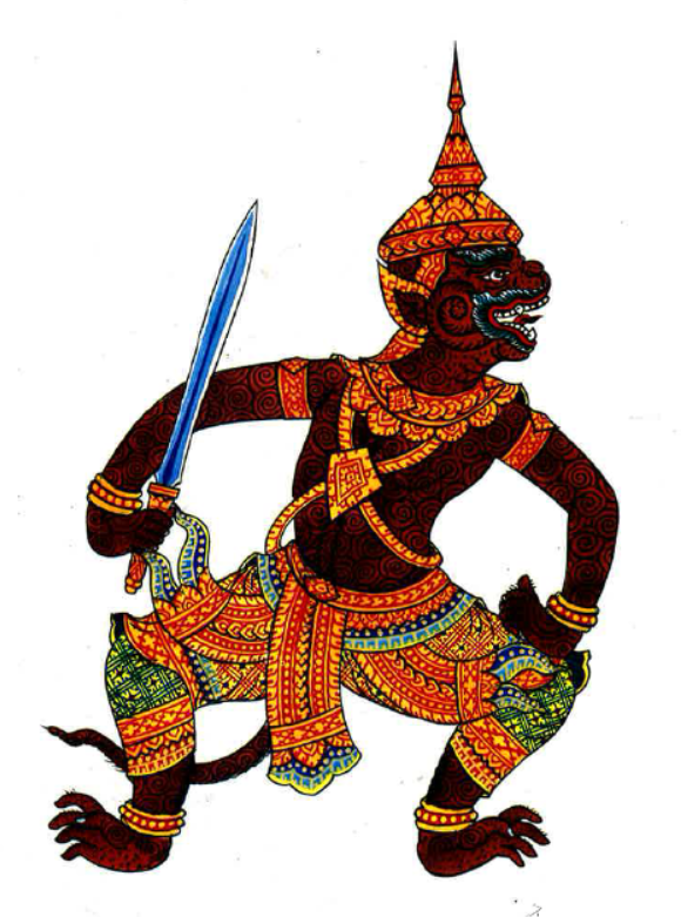
If you have ever watched a Khmer classical dance performance of the Reamker and spotted a monkey with a bright red mask and a golden crown, you have probably met Sugrib (Khmer: សុគ្រិព). He is a king, a younger brother, a survivor of family drama and an essential ally of Preah Ream in Cambodia’s great epic.
For readers who know the Indian Ramayana, Sugriva (Khmer: សុគ្រិវ) is a familiar figure, yet the Cambodian Reamker adapts his story to local aesthetics and Buddhist moral sensibilities. For readers coming from Khmer culture, Sugrib is instantly recognizable on murals and masks, but his deeper symbolism often remains in the background.
In this article, we will look at who Sugrib is, how his story unfolds in the Reamker, why his alliance with Ream matters, and how he appears in performance, iconography and contemporary Cambodian culture. Think of it as a short guided tour to a character who stands at the crossroads of mythology, theatre and morality.
The Reamker and Its Monkey Kings
The Reamker (Rāmakerti), often translated as “Glory” or “Honour of Rama,” is the Cambodian version of the Indian Ramayana. Composed in Khmer over several centuries, it blends Hindu narrative with Buddhist ideas of karma, virtue and the balance of good and evil. The story centers on Prince Preah Ream, Neang Seda and the struggle against the demon king Krong Reap, very much like the Indian original.
However, the Reamker is not just a book; it is a performance script for masked dance, a source of mural programs, and a reservoir of scenes for lakhaon khol and court dance. Among these, the episodes involving the monkey kingdom are audience favorites, full of acrobatics, humor and pathos.
In the Sanskrit Ramayana, Sugriva is the exiled king of the monkey realm of Kishkindha and the younger brother of Vali. He is the son of Surya, the sun god, and a key ally who helps Rama find Sita and build the bridge to Lanka.
As the story travels across Southeast Asia, Sugriva acquires new names and pronunciations: Sugriwa in Javanese, Su‑khrip in Thai, and Sugrib in Khmer. The character’s core traits remain recognizable, yet his image is reshaped by Khmer costume, gesture and the Buddhist moral layer added in the Reamker.
Sugrib’s Story: Brother, Exile and Ally
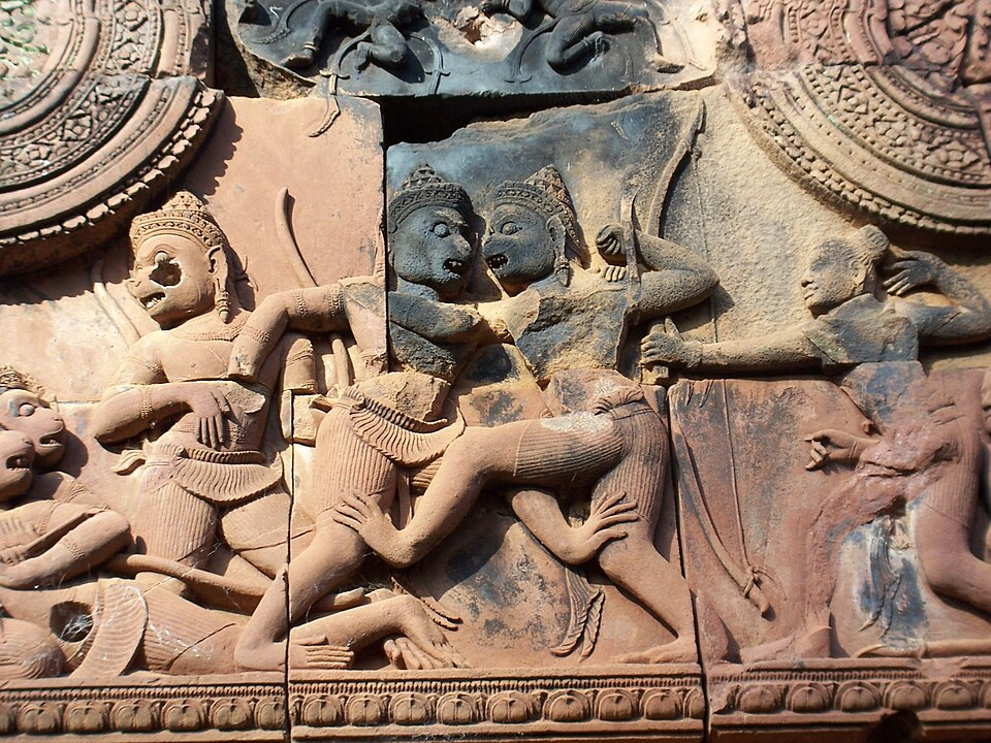
At the heart of Sugrib’s story lies a painful family conflict with his elder brother, often identified with Vali (Peali) in the Indian tradition. In both Ramayana and Reamker versions, a misunderstanding and a violent confrontation lead to Sugrib’s exile from the monkey kingdom and the usurpation of his place by the elder brother.
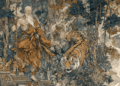
Cambodian iconography often highlights this tension through dynamic scenes of combat between the two monkey brothers, climaxing in the death of the elder and the restoration of Sugrib as king. These images appear on murals, illustrated manuscripts and rehearsal photographs of lakhaon khol, where the fight showcases dazzling physical skill while quietly reminding us how anger and jealousy can shatter harmony.
Sugrib’s turning point comes when he meets Preah Ream, often through the mediation of Hanuman. In both Indian and Cambodian tellings, a pact is made: Ream will help Sugrib recover his throne, and in return Sugrib will mobilize the monkey army to help recover Neang Seda from Reap.
In the Reamker, this alliance is more than a strategic deal; it is a teaching about mutual support and karmic responsibility. Sugrib must trust Ream’s judgment, even when it leads to the death of his brother, and Ream must honor his promise to a vulnerable ally. The monkey king becomes a model of loyalty who uses his restored power not for revenge but to serve a just cause.
Once reinstated, Sugrib is no longer just an unfortunate prince; he is the monarch who commits his realm to Ream’s war against Reap. While Hanuman often takes the limelight with his solo adventures and acrobatic leaps, Sugrib’s political decision is what makes the great monkey army possible.
Performances and summaries of the Reamker emphasize scenes where Sugrib and the monkeys assist Ream in his campaign, including the construction of the causeway and the battles around Krong Reap’s fortress. Here Sugrib personifies the ideal of a ruler who aligns his kingdom with dharma (in Khmer context, right conduct and merit) rather than personal pride.
Sugrib on Stage, in Masks and on Walls
The Red Mask with the Golden Crown
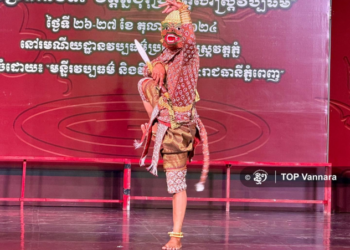
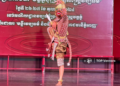
If you want to recognize Sugrib quickly in Cambodian performance, ignore the plot for a moment and look at the masks. Hanuman, the clever general, usually appears as a white monkey mask without a headdress. Sugrib, by contrast, is represented by a red monkey mask topped with a golden crown, clearly marking his royal status.
This visual code is crucial in lakhaon khol and classical dance, where masks carry as much information as dialogue. The red hue suggests energy and passion, but the crown reminds the viewer that Sugrib is not just a hot‑headed fighter; he is a king with responsibilities and a seat in the cosmic order.
Sugrib in Lakhaon Khol and Court Dance
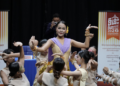
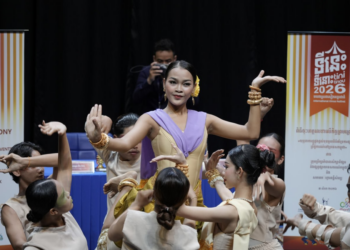
Many Reamker episodes staged in Cambodia include the alliance of Sugrib with Ream and the battle between the two monkey brothers. These scenes are perfect for lakhaon khol, which favors dynamic movement, stylized combat and complex group choreography.
On stage, Sugrib’s character oscillates between comedic and serious. His quarrels with his brother and interactions with Hanuman allow for light humor and playful mime, while the moments of exile, fear and restoration give depth to his role. For spectators, this makes Sugrib one of the most human among non‑human characters; his doubts and mistakes feel very close to ordinary family tensions.
Murals, Manuscripts and Royal Palace Walls
Beyond the theatre, Sugrib appears in the visual program of the Reamker that decorates Cambodian temples and the Royal Palace in Phnom Penh. Murals often depict the alliance of Sugrib with Ream and Leak, the battle of the monkey brothers and scenes of the monkey army mustering for war.
These images, painted in Khmer style, function as a visual textbook of the epic that visitors can follow along the galleries. For researchers and curious readers alike, they provide valuable clues on how past generations understood Sugrib’s character: energetic, loyal and visibly central to the story’s turning points.
Symbolism and Moral Lessons of Sugrib
From Exile to Righteous Kingship
Sugrib’s trajectory in the Reamker can be read as an allegory of flawed but reformable leadership. He starts as a prince caught in a destructive rivalry, is cast out of power, then regains his throne through the help of a more virtuous ally.
Within the Buddhist‑inflected moral framework of the Reamker, this journey illustrates the workings of karma and the possibility of restoring balance. Sugrib’s willingness to keep his promise and support Ream’s campaign shows that a leader’s merit lies less in birth and more in the choices he makes once power is returned.
Loyalty, Alliance and Shared Merit
Sugrib’s alliance with Preah Ream also echoes a broader Khmer appreciation for solidarity and reciprocal obligations. In joining Ream, Sugrib acquires merit by participating in the defeat of evil; at the same time, Ream honors his debt and supports Sugrib’s legitimate claim to the throne.
For modern readers, this may sound like a very old myth dressing up a very contemporary lesson: alliances only work when both sides respect their commitments. Sugrib becomes a narrative example of how shared goals and mutual trust can transform personal tragedy into collective achievement.
Why Sugrib Still Matters Today
A Cultural Key for Cambodian Heritage
Understanding Sugrib’s role in the Reamker helps decode a large part of Cambodia’s visual and performing arts. From the monkey masks of lakhaon khol to the long Reamker mural cycles, the red‑masked king keeps returning in painted and danced form. For anyone interested in Cambodian culture, knowing who Sugrib is makes a visit to the Royal Palace or a classical dance performance far more meaningful.
At the same time, placing Sugrib in the wider Ramayana family of characters across Asia shows how Khmer culture participates in a shared regional narrative while keeping its own distinctive voice. The name changes, the mask changes, the moral emphasis shifts, yet the monkey king remains a bridge between India and Southeast Asia.
Inspiration for Storytellers and Educators
For teachers, guides and content creators, Sugrib offers a wealth of angles: comparative mythology, mask typology, leadership ethics or simply colorful storytelling during a museum tour. Modern adaptations in comics, animations or school plays can use his story to talk about sibling rivalry, forgiveness and the responsibilities that come with power.
And if you happen to be planning your next Cambodian cultural article, Sugrib is an excellent gateway character: familiar enough to feel accessible, complex enough to keep readers scrolling.
Sugrib Sukhreeb, the red‑masked monkey king of the Reamker, stands at the intersection of Indian epic, Khmer performance and Buddhist ethics. From exiled prince to restored ruler and loyal ally of Preah Ream, he embodies both the fragility and the potential of leadership in Cambodian storytelling. Knowing his story helps us read Cambodian masks, murals and dances with fresh eyes and a slightly more simian smile.
Pascal Médeville is a writer and digital publisher based in Cambodia who runs the Wonders of Cambodia project. He writes about Khmer history, performing arts and everyday culture, with a soft spot for epics like the Reamker and their many monkey kings. When he is not chasing footnotes, he is usually chasing street food.