
Located in the northern part of Cambodia, Preah Vihear Province (ខេត្តព្រះវិហារ) is a region rich in history, culture, and natural beauty. Named after the iconic Preah Vihear Temple, a UNESCO World Heritage Site, the province is known for its stunning landscapes, ancient ruins, and strategic importance throughout Cambodia’s history. Despite being one of the country’s least populated provinces, it holds immense cultural and economic significance.
Geography and Landscape
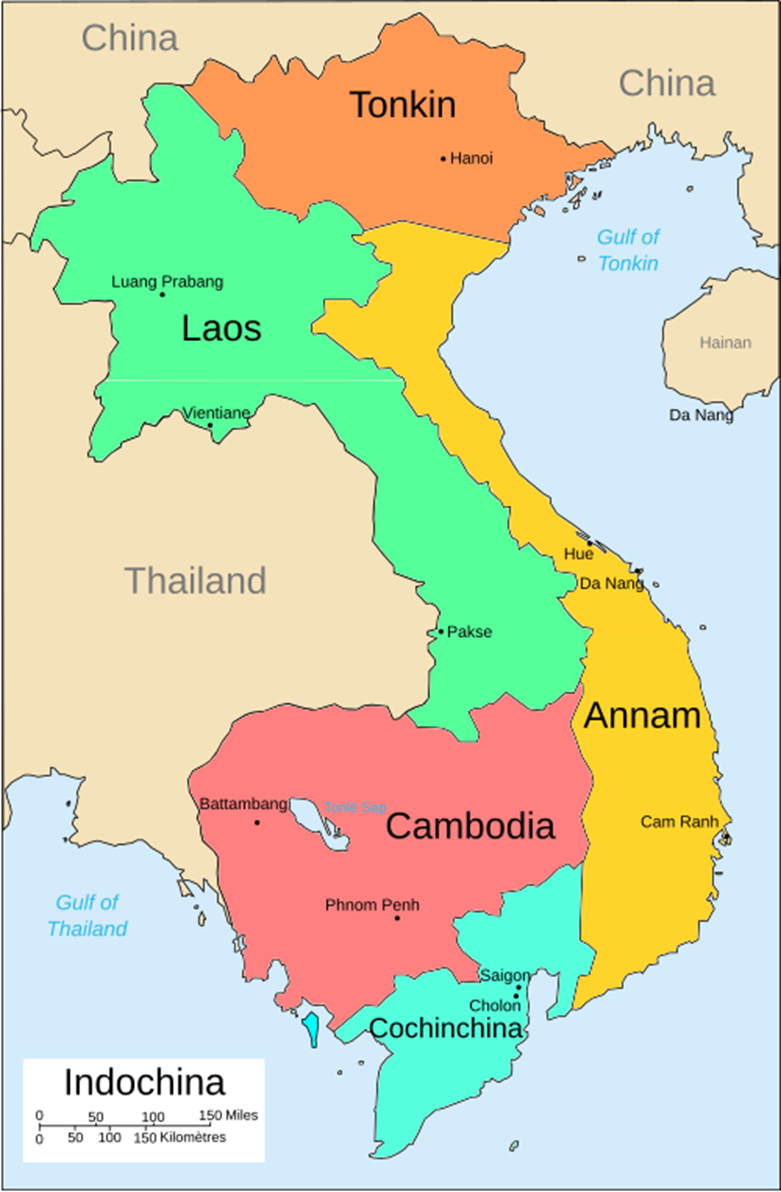
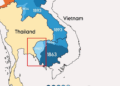
Preah Vihear Province shares borders with Thailand to the west, Laos to the northeast, and the Cambodian provinces of Stung Treng, Kampong Thom, and Siem Reap. The terrain is diverse, featuring dense forests, mountain ranges, and fertile plains. The Dângrêk Mountains form a natural boundary with Thailand, offering breathtaking views and serving as a critical watershed for the region.
The province is also home to Preah Vihear National Park, a protected area that preserves rare wildlife, including elephants, tigers, and various bird species. The lush forests and rivers make it an important ecological zone, though deforestation and illegal logging remain ongoing challenges.
Historical Significance
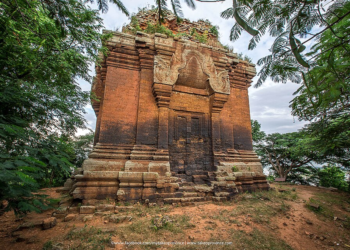
Preah Vihear’s most famous landmark is the Preah Vihear Temple, an 11th-century Khmer temple dedicated to the Hindu god Shiva. Built during the reigns of Khmer kings Suryavarman I and Suryavarman II, the temple sits atop a 525-meter cliff, offering panoramic views of the Cambodian plains below. Its strategic location made it a subject of territorial disputes between Cambodia and Thailand, culminating in a 1962 International Court of Justice ruling that confirmed Cambodian sovereignty.
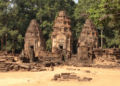
Beyond the temple, the province contains other ancient ruins, such as Koh Ker, once the capital of the Khmer Empire under King Jayavarman IV. The Koh Ker complex features the Prasat Thom pyramid, one of the few stepped pyramids in Cambodia, and numerous temples scattered across the jungle.
Culture and People
Preah Vihear is home to a mix of ethnic groups, including Khmer, Lao, and indigenous minorities like the Kuy people, who have their own traditions and languages. The province’s culture is deeply influenced by Buddhism, with many pagodas and religious festivals held throughout the year.
Local livelihoods depend mainly on agriculture, particularly rice farming, cassava, and cashew nuts. Due to its remote location, infrastructure development has been slow, but recent road improvements have boosted trade and tourism.
Economic and Tourism Potential
Preah Vihear has great potential for eco-tourism and historical tourism. The Preah Vihear Temple attracts both domestic and international visitors, though accessibility remains a challenge due to its mountainous location. Efforts have been made to develop better roads and facilities to encourage tourism.
The province also has untapped potential in agriculture and renewable energy. Hydropower projects along the Mekong River and its tributaries could provide electricity to rural communities, while sustainable farming initiatives could improve local incomes.
Challenges and Development
Despite its natural and historical wealth, Preah Vihear faces several challenges:
– Poverty and limited infrastructure – Many rural areas lack proper roads, schools, and healthcare;
– Deforestation and land disputes – Illegal logging and land concessions threaten forests and indigenous lands;
– Border tensions – While the temple dispute was resolved, occasional military standoffs with Thailand have occurred.
The Cambodian government has invested in infrastructure, such as the National Road 66, connecting Preah Vihear to other provinces. Tourism promotion and conservation efforts are also key priorities to ensure sustainable development.
Preah Vihear Province is a land of ancient wonders and natural beauty, offering a glimpse into Cambodia’s glorious past and ecological diversity. While it faces development challenges, its historical sites, cultural heritage, and untouched landscapes make it a vital part of Cambodia’s identity. With proper investment and sustainable practices, Preah Vihear could become a major destination for travelers and a thriving agricultural hub, contributing to Cambodia’s future growth.
As the gateway to the country’s northern heritage, Preah Vihear remains a symbol of resilience, history, and untapped potential.