Introduction
Agence Kampuchea Presse (Khmer: ទីភ្នាក់ងារសារព័ត៌មានកម្ពុជា), commonly known as AKP, stands as the national press agency of Cambodia. Founded to provide trusted news and official information to the Cambodian public, AKP also serves as a bridge for international agencies seeking updates on events within the Kingdom. As a state-owned entity, it plays a pivotal role in distributing news on government policies, diplomacy, development, and critical national events, reflecting the priorities and perspectives of Cambodia’s leadership.

Historical Overview
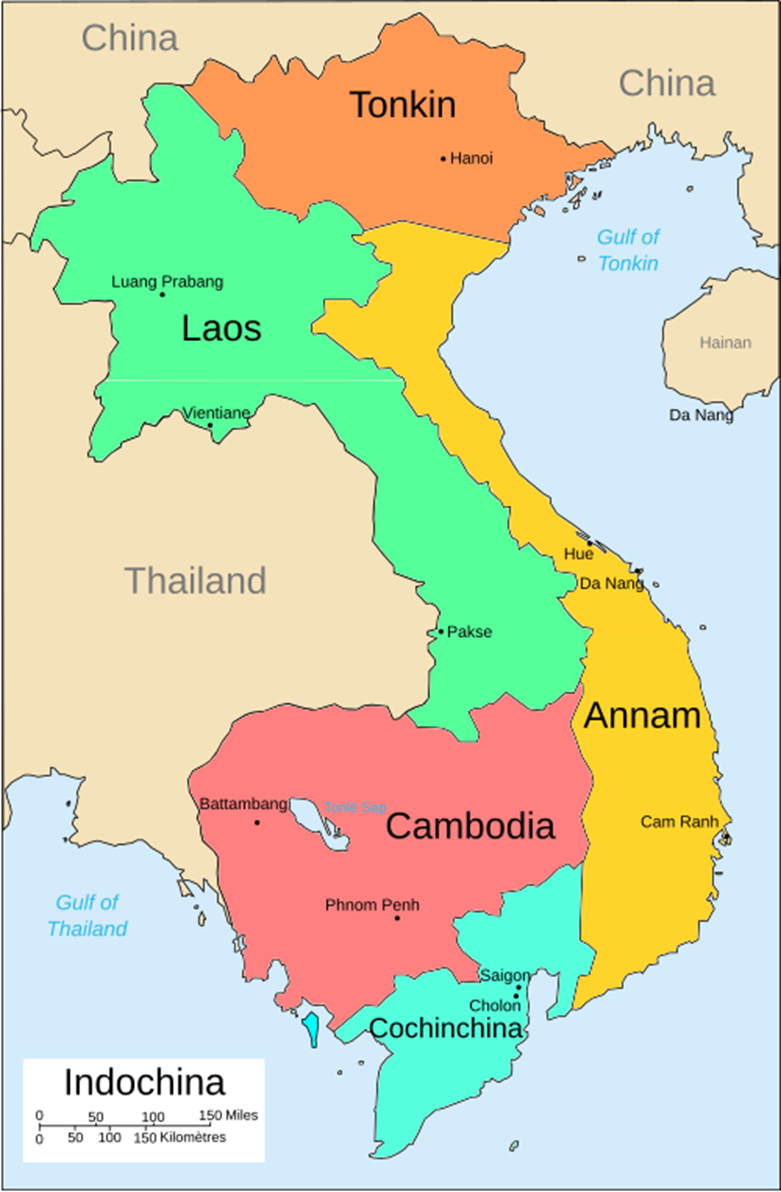
The roots of organized journalism in Cambodia stretch back to the French colonial era, when media institutions first emerged across Indochina in the late 19th and early 20th centuries. During the 1950s and 1960s, Cambodia experienced relative peace and stability. Prince Norodom Sihanouk’s regime fostered a vibrant journalistic community that included international wire services such as Reuters, Associated Press (AP), Agence-France Presse (AFP), and United Press International (UPI). However, during periods of political upheaval, such as the Khmer Rouge era and subsequent wars, journalism became a perilous profession, with many reporters targeted and killed by warring factions.
Established to address the need for a centralized, reliable source of news, AKP quickly became the government’s primary channel for official information. The agency’s resources and access allowed it to cover major shifts in Cambodia’s political and social landscape, providing archival material and reports that have shaped historical understanding of contemporary Cambodian affairs.
Services and Coverage
AKP’s core mission is to distribute official news, statements, and public communications from the government. The agency’s daily operations include providing press releases, event coverage, and interviews, while also maintaining records and archives for reference by other media outlets. AKP covers a spectrum of topics ranging from domestic politics, foreign affairs, cultural events, health crises, and business reforms.
AKP has played a significant role in informing the public about major initiatives such as COVID-19 responses, international agreements, and disaster relief cooperation with neighboring countries. The outlet has also been instrumental in publicizing Cambodian achievements, international relations, and state visits, reinforcing government narratives at both local and global levels.
Digital Presence and Outreach
Over recent years, AKP has adapted to technological changes by expanding its online presence, offering news on its website, and participating on social media platforms like X (formerly Twitter) and Instagram. These online initiatives have enabled the agency to reach wider audiences, including Cambodians abroad and international readers seeking first-hand updates on Cambodia.
AKP releases stories in multiple languages, primarily Khmer and English, but also in French, Chinese and Arabic, allowing for accessibility among diverse readers. The agency also functions as a reference point for international organizations and foreign correspondents wishing to verify official announcements or gather background information on Cambodia.
Institutional Partnerships
As Cambodia’s state-run agency, AKP maintains strong ties with other national news bodies, most notably the Vietnamese news agency VNA. Collaboration between AKP and foreign agencies has fostered media exchange, contributed to regional coverage, and facilitated diplomatic relationships, bolstering Cambodia’s visibility in the region.
AKP is regularly involved in conferences and summits focused on media development, digital communication, and the fight against “fake news,” reflecting its evolving role in promoting trustworthy journalism within Cambodia and Southeast Asia. The agency’s participation in these initiatives has helped shape discussions about journalism ethics and information reliability in the region.
Challenges and Public Perception
As with many state-run news organizations, AKP faces challenges regarding press freedom and editorial independence. The agency’s status as a government entity means that its reporting can reflect official viewpoints and prioritize government communication over independent analysis. This dynamic has sparked debate among journalists, media analysts, and advocacy groups over the role of state media in national and international discourse.
Incidents involving AKP journalists, such as allegations of extortion, highlight concerns about professional standards and accountability within Cambodian news organizations. Scrutiny of AKP’s operations is part of broader conversations about media transparency and the integrity of journalism in Cambodia.
Role in Nation-Building
Throughout its history, AKP has played a key role in Cambodia’s development, acting as a documentation center for historic events and societal change. By recording and disseminating information about national milestones, elections, diplomatic activities, and policy reforms, the agency helps shape public understanding and government narratives. AKP is also crucial in times of crisis, being called upon to deliver emergency communications, health advisories, and disaster updates to ensure the safety and awareness of the population.
Conclusion
Agence Kampuchea Presse remains a pivotal institution in Cambodian media, serving as the official voice of the government while documenting the nation’s progress and challenges. In a rapidly changing information environment, AKP continues to adapt, leveraging digital technology and institutional collaboration to fulfill its mandate of informing the public and representing Cambodia to the world.
All AKP news releases are available via the Internet, here.




![Reference: A l’école des diplomates: La perte et le retour d’Angkor [At the School for Diplomats – The Loss and Return of Angkor]](https://wondersofcambodia.com/wp-content/uploads/2025/12/image-106-350x250.png)