Wonders of Cambodia
  • Home
  • Culture
  • Cuisine
  • Tourism
  • Business
  • Life in Cambodia
  • 中文
  • ខ្មែរ
  • Français
  • Tiếng Việt
  • e-Books
No Result
View All Result
  • Home
  • Culture
  • Cuisine
  • Tourism
  • Business
  • Life in Cambodia
  • 中文
  • ខ្មែរ
  • Français
  • Tiếng Việt
  • e-Books
No Result
View All Result
Wonders of Cambodia
No Result
View All Result
Home Culture Language

The Cham Language: Heritage and Resilience Across Southeast Asia

Pascal Medeville by Pascal Medeville
March 3, 2026
in Language
Reading Time: 3 mins read
1

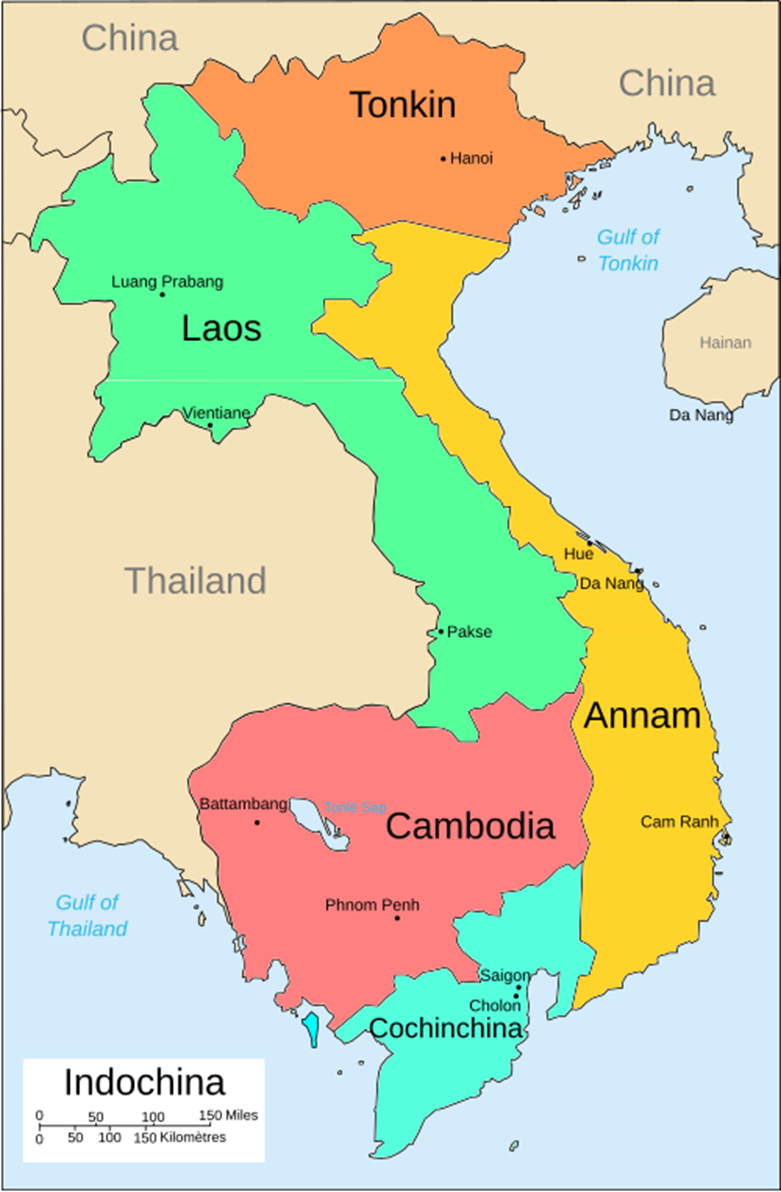
The Cham language stands as a testament to the enduring spirit of a people whose history stretches back to the ancient kingdom of Champa in central and southern Vietnam. For centuries, it has served as the voice of the Cham people, providing a link to their storied past and unbroken traditions.

Stone inscription in Cham found in Vietnam (Dragfyre, CC BY-SA 3.0)

Cham was once the language of an influential maritime and trading civilization that flourished from the second to the seventeenth century. The Champa kingdom benefitted from Indian influences, shaping its religious, artistic, and linguistic landscape. Over time, external pressures pushed the Cham further afield, especially into regions that are now part of Cambodia, resulting in the diaspora that expanded the language’s reach.

Today, Cham exists in two principal varieties: Eastern Cham, found mainly in coastal southern Vietnam, and Western Cham, spoken in Cambodia and adjacent areas of Vietnam. Eastern Cham preserves many features of the ancient language, with communities in Ninh Thuận and Bình Thuận provinces actively maintaining linguistic traditions. Western Cham, meanwhile, is closely associated with the Muslim community in Cambodia. Both varieties share a deep bond, yet exhibit distinct linguistic and cultural nuances.

Cham is classified within the Chamic branch of the Austronesian language family, which includes Tsat (present on the Chinese island of Hainan) and other related languages spread throughout Southeast Asia. This branch showcases the linguistic dynamism and adaptability that have enabled Cham to absorb influences over centuries.

An outstanding feature of Cham culture is the development of unique writing systems. The original Cham script, inspired by Sanskrit and Indian scripts, graced ancient stone inscriptions and manuscripts. Today, Eastern Cham retains its Indic-based script, while Western Cham favors the Jawi script, derived from Arabic, particularly in the context of religious instruction. Literacy in Cham scripts is actively fostered by community organizations, aware of the existential threat posed by language shift.

Phonetically, Cham comprises a rich inventory of consonants and vowels, and like other regional languages, uses numeral classifiers to describe quantity and object characteristics. The grammatical structure is straightforward, with personal pronouns functioning much like regular nouns, and comparative forms typically constructed using simple locatives. Even in everyday conversation, kinship terms often replace traditional pronouns, reflecting the deep communal values of Cham-speaking society.

The language also preserves a wealth of cultural and religious history. Early Cham society integrated Hindu and Buddhist concepts, evidenced by a substantial layer of Sanskrit loanwords. Later, as Islam became prominent especially among the Western Cham, Arabic vocabulary made its way into the language, further enriching its lexicon.

Despite its proud legacy, Cham faces an uncertain future. The pressures of assimilation into dominant cultures—Vietnamese in Vietnam and Khmer in Cambodia—have led to declining numbers of native speakers in younger generations. Western Cham script, in particular, risks falling into obscurity as teaching methods once relied mainly on religious elders.

Yet hope persists. Revitalization efforts abound, from grassroots educational programs to digital preservation projects. In Cambodia, religious groups such as the Kan Imam San sect promote the teaching of Cham language and script among youth, while linguistic researchers document and analyze Cham’s unique features to ensure its survival. Across both countries, increasing awareness of the language’s endangered status has triggered renewed interest.

Cham still plays a vital role in everyday life and spiritual practices of its speakers. Whether in community gatherings, storytelling, or ritual ceremonies, the language is a vessel for identity and continuity. It provides a bridge to ancient customs, helps foster connections among dispersed Cham communities, and offers priceless insights into the cultural mosaic of Southeast Asia.

The legacy of Cham language is one of resilience and adaptation, mirroring the journey of its people across the tides of history. As efforts to support and revitalize Cham continue, its future promises to remain intertwined with the unfolding story of Southeast Asia—a region shaped by diversity, change, and the persistence of heritage.


Don’t miss our upcoming articles!

We don’t spam!

Check your INBOX or SPAM folder to confirm your subscription.

Tags: Austronesian languagesCham languageCham scriptendangered languages in Cambodiaethnic languages in Cambodia
ShareTweet
Previous Post

Picture of the day: Mekong Lobster

Next Post

The Reamker: Cambodia’s Epic of Good and Evil

Pascal Medeville

Pascal Medeville

Author of the blog Wonders of Cambodia, I share my passion for Cambodia through stories, cultural insights, and personal reflections on the country. I'm also the founder of Simili Consulting, where we provide high-quality, professional translation services to international clients.

Related Posts

Illustration of a Cambodian folk scene at a riverside: a large fish leaps dramatically out of the water in the foreground while a rabbit watches from the grassy bank, and in the background a couple in traditional clothing stands near a stilted thatched house, suggesting a moment from a village proverb.
Culture

When the Rabbit Escapes and the Fish Slips Away: A Khmer Proverb about Greed

June 3, 2026
Steam-filled Khmer-style kitchen scene at sunset, with a hand lifting a wet porcelain plate from a large metal basin overflowing with stacked dishes, warm golden light catching the water droplets and edges of the plates.
Proverbs

“Plates in the Same Basin Will Inevitably Clash”, A Khmer Proverb on Human Nature

May 28, 2026
Stone bas-relief of Khmer soldiers and porters marching under palm trees, carrying weapons, drums, and baskets of rice.
Culture

Khmer Proverb: Why Every Endeavor Needs Its Proper Means

May 21, 2026
A close-up of a weathered sandstone door pillar at Prasat Krachap in Koh Ker, Cambodia, carved with lines of ancient Sanskrit script from a 928 CE inscription dedicating the temple to the deity Tribhuvanadeva
History

Sanskrit in Cambodia: How an Ancient Language Still Shapes Modern Khmer

May 18, 2026
Digital illustration of three people on separate city balconies at night, each absorbed in their phone, suggesting emotional distance despite physical closeness.
Culture

Khmer proverb: Out of Sight, Out of Mind

May 3, 2026
Khmer Proverb: Don’t Plant Rice on the Elephants’ Path
Culture

Common Misspellings in Modern Khmer: A Reference Guide for Better Writing

April 30, 2026
Next Post
The Reamker: Cambodia’s Epic of Good and Evil

The Reamker: Cambodia’s Epic of Good and Evil

Comments 1

  1. Pingback: Last publications on Wonders of Cambodia (September 22nd~October 12th, 2025) - Wonders of Cambodia
  • Trending
  • Comments
  • Latest
The French Protectorate of Cambodia (1863–1953): An Overview

The French Protectorate of Cambodia (1863–1953): An Overview

July 13, 2025
The Franco-Siamese Treaty of 23 March 1907: Borders, Politics, and the Return of Angkor

The Franco-Siamese Treaty of 23 March 1907: Borders, Politics, and the Return of Angkor

February 11, 2026
Cambodian-Vietnamese War (1978-1989)

Cambodian-Vietnamese War (1978-1989)

July 13, 2025
Working in Cambodia in 2026: Visas, Work Permits and Everyday Reality for Foreigners

Working in Cambodia in 2026: Visas, Work Permits and Everyday Reality for Foreigners

February 9, 2026
Kampot Province

Takeo Province: A Cradle of Cambodian History and Culture

3
Kratié Town on the Mekong: Colonial Echoes, River Life, and Irrawaddy Dolphins

Kratié Town on the Mekong: Colonial Echoes, River Life, and Irrawaddy Dolphins

3
Banteay Meanchey Province: A Gateway to Cambodia’s Rich Heritage

Banteay Meanchey Province: A Gateway to Cambodia’s Rich Heritage

2
Stung Treng Province: The Gateway to Cambodia’s Northern Wilderness

Stung Treng Province: The Gateway to Cambodia’s Northern Wilderness

2
Diagram of Earth surrounded by the eight Moon phases (New, Waxing crescent, First quarter, Waxing gibbous, Full, Waning gibbous, Third quarter, Waning crescent) with clock times around Earth and arrows showing the Moon’s orbit.

Cambodian Lunar Calendar Months – Names, Meanings, and Cultural Significance

June 6, 2026
Close-up of a finely chased Khmer silver pumpkin-shaped betel nut box from Cambodia, with intricate floral and scroll repoussé patterns on a dark wooden surface.

Picture of the day: Silver Pumpkin Betel Box from Cambodia

June 6, 2026
An elderly woman crouches beside a woven basket overflowing with bananas in a sunlit tropical village, while a wide‑eyed rabbit joyfully bounds toward her, banana peels scattered across the ground

Tales of the hare, part 1 – The Clever Rabbit and the Banana Seller

June 5, 2026
Close-up of tarticlette at La Guinguette de Siem Reap, a French-style potato, bacon, onion and raclette cheese gratin served in a black dish with green salad on the side in Siem Reap, Cambodia.

Picture of the day: Tarticlette Comfort at La Guinguette in Siem Reap

June 5, 2026

Recent News

Diagram of Earth surrounded by the eight Moon phases (New, Waxing crescent, First quarter, Waxing gibbous, Full, Waning gibbous, Third quarter, Waning crescent) with clock times around Earth and arrows showing the Moon’s orbit.

Cambodian Lunar Calendar Months – Names, Meanings, and Cultural Significance

June 6, 2026
Close-up of a finely chased Khmer silver pumpkin-shaped betel nut box from Cambodia, with intricate floral and scroll repoussé patterns on a dark wooden surface.

Picture of the day: Silver Pumpkin Betel Box from Cambodia

June 6, 2026
An elderly woman crouches beside a woven basket overflowing with bananas in a sunlit tropical village, while a wide‑eyed rabbit joyfully bounds toward her, banana peels scattered across the ground

Tales of the hare, part 1 – The Clever Rabbit and the Banana Seller

June 5, 2026
Close-up of tarticlette at La Guinguette de Siem Reap, a French-style potato, bacon, onion and raclette cheese gratin served in a black dish with green salad on the side in Siem Reap, Cambodia.

Picture of the day: Tarticlette Comfort at La Guinguette in Siem Reap

June 5, 2026
Wonders of Cambodia

Exploring Culture, Nature, and Spirit in the Land of Wonder.

Follow Us

Browse by Category

  • Architecture
  • Architecture
  • Art
  • Books
  • Business
  • Business
  • Cinema
  • Costume
  • Costume
  • Cuisine
  • Culture
  • Defense
  • Du lịch
  • e-Books
  • Education
  • Expat life
  • Fauna
  • Festival
  • Flora
  • Food providers
  • Français
  • Geography
  • Handicraft
  • Health
  • Histoire
  • History
  • Hotels
  • Khmer Stories
  • Khmer stories
  • Knowledge
  • Language
  • Last posts
  • Lịch sử
  • Life in Cambodia
  • Literature
  • Music
  • Pictures
  • Politics
  • Population
  • Press review
  • Professional services
  • Proverbs
  • Reference
  • Reference
  • Religion
  • Restaurants
  • Textile
  • Tiếng Việt
  • Tourism
  • Tourisme
  • Transport
  • Uncategorized
  • Video
  • Vie quotidienne
  • Who's who
  • ខ្មែរ
  • ទេសចរណ៍៖
  • បគ្គលល្បី
  • ប្រវត្តិសាស្ត្រោ
  • 中文
  • 书籍
  • 历史
  • 旅游
  • 生活

Recent News

Diagram of Earth surrounded by the eight Moon phases (New, Waxing crescent, First quarter, Waxing gibbous, Full, Waning gibbous, Third quarter, Waning crescent) with clock times around Earth and arrows showing the Moon’s orbit.

Cambodian Lunar Calendar Months – Names, Meanings, and Cultural Significance

June 6, 2026
Close-up of a finely chased Khmer silver pumpkin-shaped betel nut box from Cambodia, with intricate floral and scroll repoussé patterns on a dark wooden surface.

Picture of the day: Silver Pumpkin Betel Box from Cambodia

June 6, 2026
  • About Us
  • Advertise
  • Privacy & Policy
  • Contact Us

© 2025 - Made with 💫 by TechFlow.

No Result
View All Result
  • Home
  • Culture
  • Cuisine
  • Tourism
  • Business
  • Life in Cambodia
  • 中文
  • ខ្មែរ
  • Français
  • Tiếng Việt
  • e-Books

© 2025 - Made with 💫 by TechFlow.