Siem Reap is rightly celebrated for Khmer cuisine, but its dining scene has become remarkably cosmopolitan. This is a personal selection of five Western restaurants I particularly appreciate, rather than a claim to identify the “best” restaurants in town. I have certainly not tried every restaurant in Siem Reap, and food is far too subjective for such a definitive verdict. These choices reflect personal experience, atmosphere, culinary character, and the simple pleasure of sitting down to a good meal.
Graines de Piaf
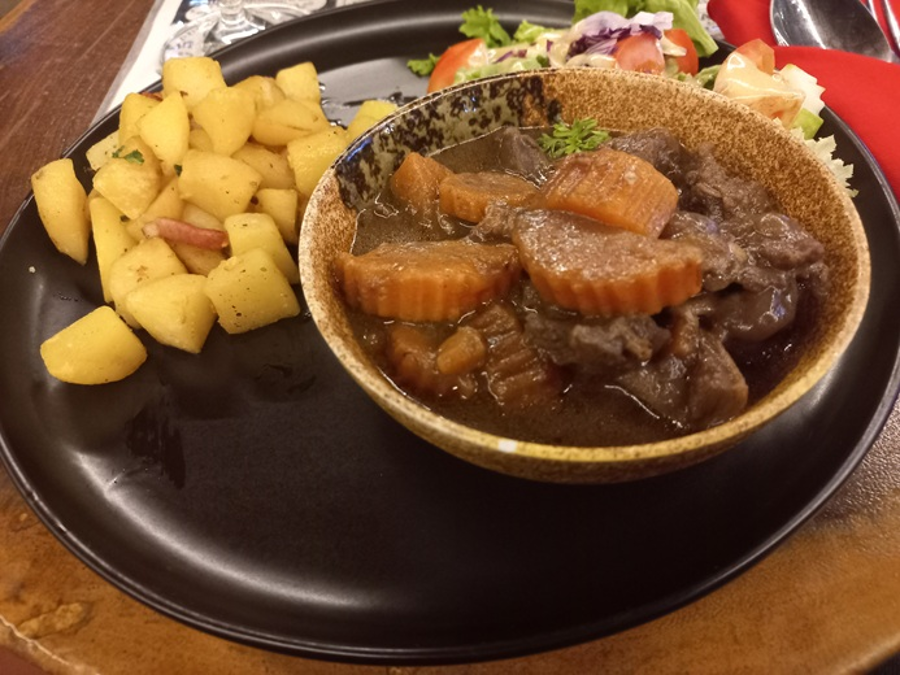
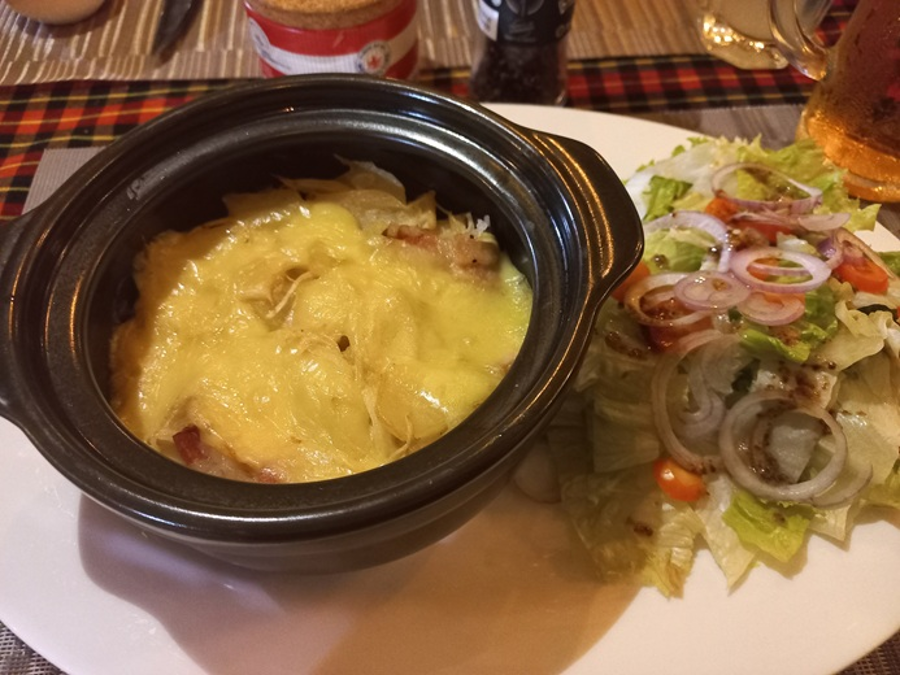
Graines de Piaf brings a distinctly French bistro spirit to Siem Reap, with generous traditional dishes and a lively, intimate atmosphere. Located on Funky Lane, it describes itself as a little corner of Montmartre, and the comparison is not entirely fanciful, especially when the singing starts. The menu includes classics such as tartiflette, bavette, duck breast, charcuterie and pâté, with French wines to accompany them. It stands out for its combination of hearty cooking, conviviality and a rather infectious sense of fun.
Kilimandjaro
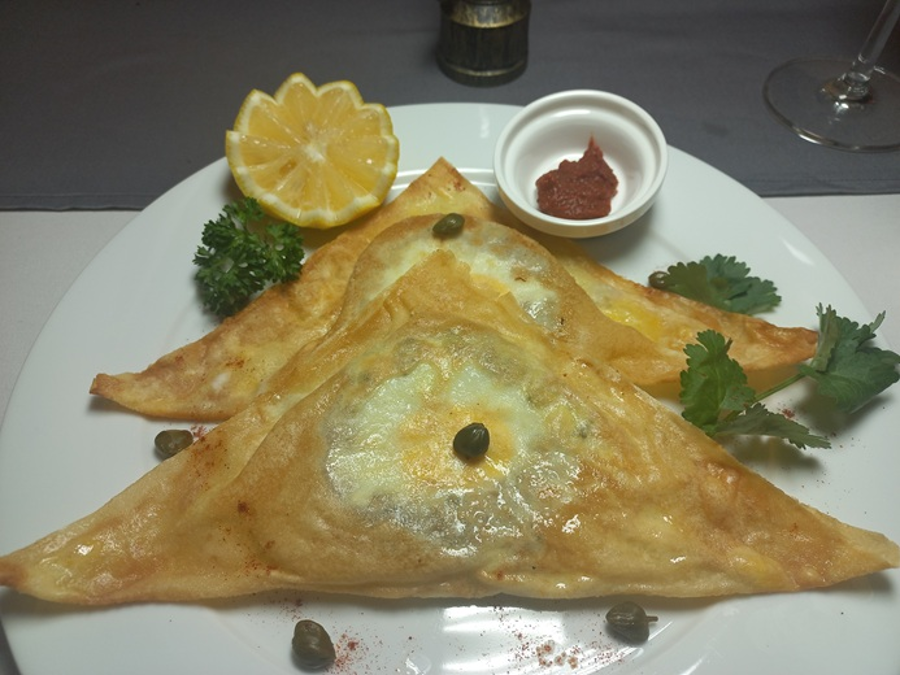
Kilimandjaro offers something more adventurous: French cuisine interpreted through the travels and influences of its owner. On Sok San Road, the restaurant combines French cooking with Asian and African accents, creating a menu that is less predictable than the name of the cuisine might suggest. The setting, a colonial house surrounded by a tropical garden, adds considerably to the experience. It is a good choice for diners who enjoy familiar French techniques with a touch of culinary wanderlust.
La Ferme de Bassac
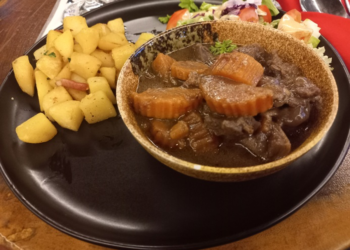
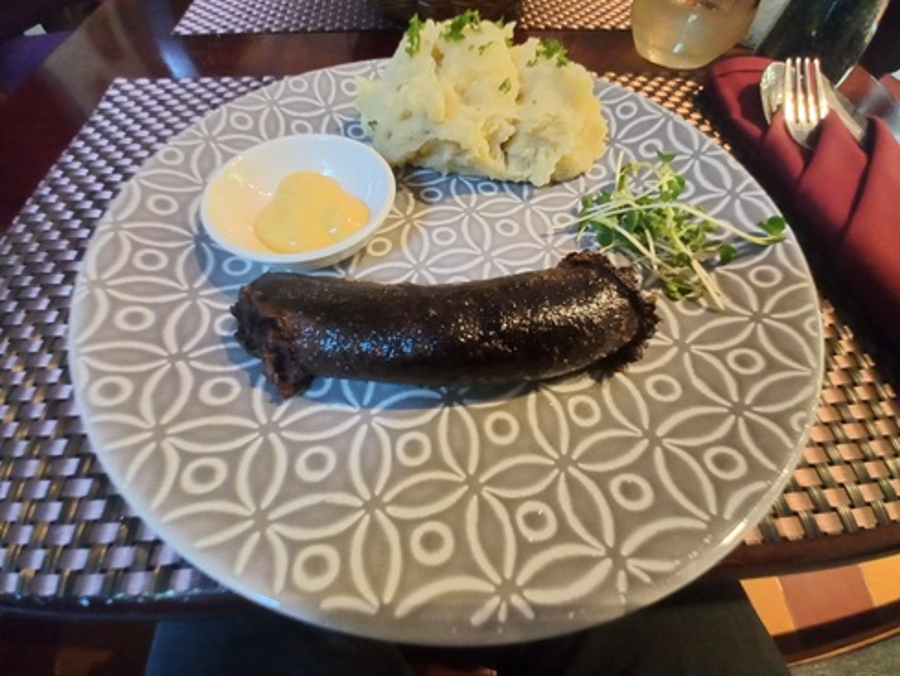
For lovers of French meat and traditional bistro cooking, La Ferme de Bassac is an especially appealing address. Its Siem Reap Steak House on Street 24 in Wat Bo Village focuses on meat from the farm, French butchery traditions and generous classics such as beef bourguignon, duck confit, lamb shank and various steaks. The menu also includes pâté en croûte, carpaccio, French onion soup and homemade desserts. What makes it particularly interesting is the farm-to-table philosophy behind the restaurant, linking French culinary tradition with agricultural production in Cambodia.
Olive, Cuisine de Saison
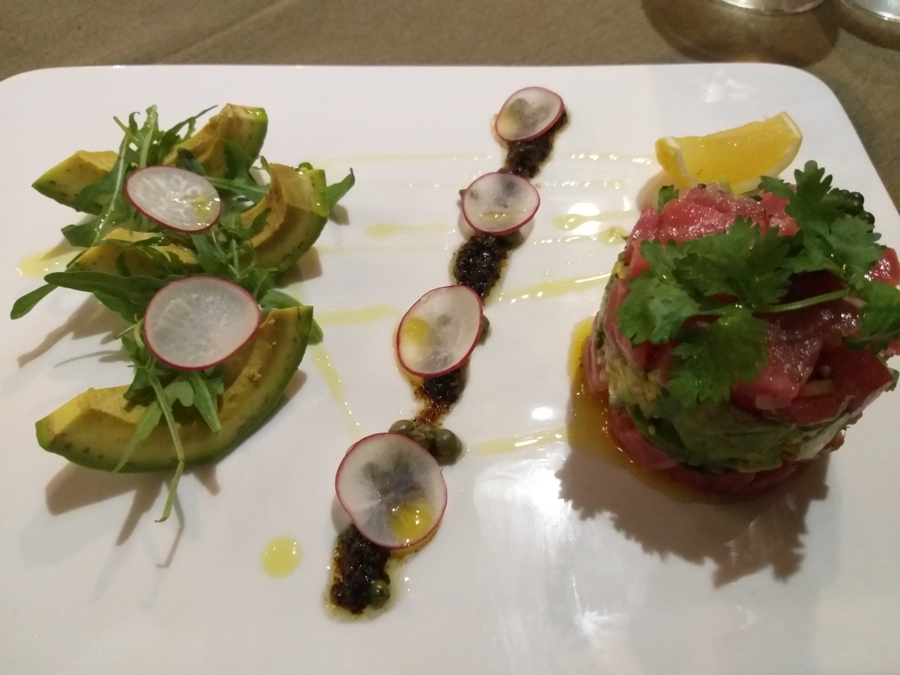
Olive is one of Siem Reap’s more polished French dining addresses, occupying a renovated colonial-era building near Wat Preah Prom Rath and the Old Market. Its cuisine is French and Mediterranean, with seasonal dishes, local ingredients and an extensive wine selection. Depending on the menu, diners may encounter dishes such as baked sea bass with pumpkin risotto, duck breast, scallops with San Daniele ham, goat cheese salad or classic French desserts. I particularly appreciate Olive for the balance between refined cooking and a relaxed setting that feels distinctly Siem Reap rather than imported wholesale from France.
La Guinguette de Siem Reap
La Guinguette takes a more relaxed approach to Western dining, combining French favorites with Khmer dishes and tapas-style plates. Its menu ranges from tartiflette, Toulouse sausage and steak to frog legs, baked Camembert, spring rolls, samosas, fish amok and beef lok lak. That mixture makes it particularly useful for groups whose appetites do not all point in the same culinary direction. The atmosphere is informal and sociable, making it a good place to enjoy French comfort food while keeping one foot firmly in Cambodia.
Conclusion
These five restaurants illustrate just how varied Western food in Siem Reap has become. From traditional French bistro cooking and farm-raised meat to Mediterranean flavors and Franco-Khmer tapas, each offers a different interpretation of what Western cuisine can mean in Cambodia. Ultimately, discovering restaurants is personal, so consider this list an invitation rather than a verdict. If you have a favorite Siem Reap restaurant that deserves to be here, share it.
About the Author
Pascal Medeville is a cultural content creator and editor of Wonders of Cambodia, specializing in Southeast Asian culture, cuisine, history and heritage. A multilingual writer working in French, English, Khmer, Chinese and Vietnamese, he explores Cambodia through its places, people, traditions and everyday cultural life.