Introduction
The first impression is one of quiet permanence. Warm sunlight falls across weathered sandstone while patches of blue sky frame the ancient towers rising above the hilltop. Every doorway opens onto another courtyard, another carved lintel, another reminder that this sacred place has watched over the Cambodian countryside for nearly a thousand years.
Unlike many temples that immediately overwhelm visitors with grandeur, Phnom Chisor gradually reveals its beauty. The slow walk through its ruined galleries, shrines, and passageways encourages curiosity. Every corner suggests another story carved into the stone.
Our latest Wonders of Cambodia video takes viewers beyond the famous staircase and into the temple itself, where Khmer architecture can be appreciated from close range.
Discover Phnom Chisor
Phnom Chisor stands about 42 kilometers south of Phnom Penh in Takeo Province. Built on top of a solitary hill rising above the surrounding rice fields, the temple was commissioned during the reign of King Suryavarman I in the early eleventh century.
Dedicated primarily to the Hindu deities Shiva and Vishnu, Phnom Chisor reflects the architectural traditions that would later reach their full expression at Angkor. Although smaller than the monumental temples of Siem Reap, it possesses the same remarkable mastery of sandstone construction and symbolic design.
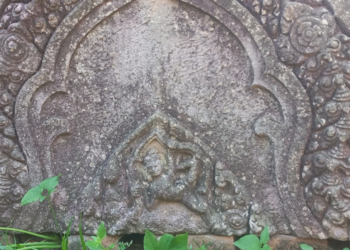
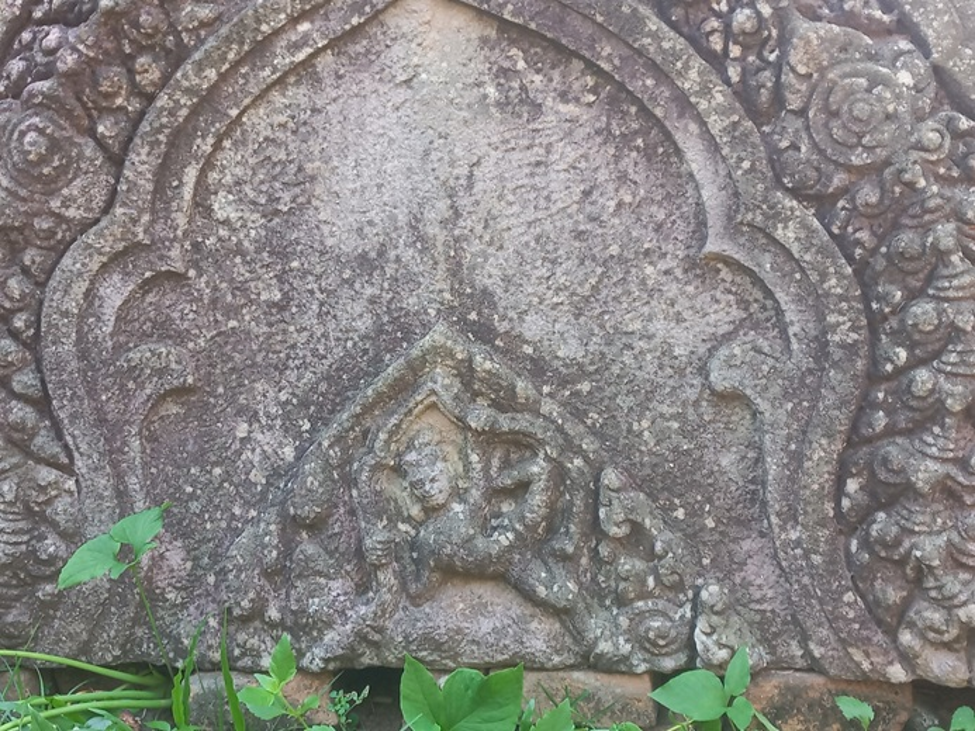
Visitors who climb the long staircase are rewarded with more than sweeping views. At the summit lies an intricate collection of sanctuaries connected by narrow passages and open courtyards. The surviving towers display finely cut blocks assembled with extraordinary precision, while fragments of decorative carvings still reveal the skill of Khmer artisans nearly a millennium after they were created.
The elevated position also gave the temple spiritual significance. In Khmer cosmology, sacred mountains represented Mount Meru, the mythical center of the universe and the dwelling place of the gods. Phnom Chisor transformed a natural hill into a symbolic bridge between earth and heaven.
Hidden Details Worth Discovering
Walking inside Phnom Chisor reveals details that many visitors overlook.
Look carefully at the doorways and windows. Some are framed by beautifully carved sandstone while others preserve traces of decorative moldings softened by centuries of wind and rain. The contrast between restored sections and original masonry tells the long story of the temple’s survival.
The interior spaces create fascinating compositions for photographers. Sunlight enters through ancient doorways, casting shifting patterns across the stone floors as the day progresses. Every season brings subtle changes. During the rainy months, surrounding vegetation becomes lush and vibrant, while the dry season highlights the warm golden tones of the sandstone.
Another rewarding detail is the remarkable silence. Despite its popularity, moments of calm are easy to find inside the sanctuary. Birdsong often replaces conversation, allowing visitors to appreciate the atmosphere that has drawn pilgrims here for generations.
The temple also offers spectacular views across Takeo Province. From the edges of the hill, endless rice fields stretch toward the horizon, reminding visitors why Khmer kings selected elevated sites for many of their religious monuments.
Travel Tips
The best time to visit Phnom Chisor is early in the morning or during the late afternoon, when softer light enhances the color of the sandstone and temperatures are more comfortable for climbing the staircase.
Comfortable footwear is recommended because many stones have become uneven after centuries of exposure. Carry water, especially during the dry season, and allow enough time to explore both the temple and the surrounding viewpoints.
Nearby attractions include the archaeological site of Angkor Borei and the Phnom Da temple complex, making this region of Takeo an excellent destination for travelers interested in Cambodia’s early history.
Photographers will appreciate a wide-angle lens or smartphone camera capable of capturing both architectural details and expansive landscapes.
Watch the Video
Experience the peaceful atmosphere of Phnom Chisor for yourself by watching the video below.
Don’t forget to subscribe to the Wonders Of Cambodia YouTube channel for more journeys through Cambodia’s remarkable cultural and natural heritage.
Conclusion
Phnom Chisor is much more than a hilltop temple. It is a place where history, spirituality, architecture, and landscape come together in perfect harmony. Every visit offers new details to admire and fresh perspectives on Cambodia’s remarkable past.
Through Wonders of Cambodia, we invite you to continue discovering the Kingdom’s hidden treasures, one journey at a time.