First published in 1913, Cambodian Dancers – Ancient and Modern is the earliest in‑depth study of the Khmer royal ballet and its sacred dancers. This remarkable book still guides how the world understands Cambodian dance, Khmer culture, and the country’s artistic heritage today.
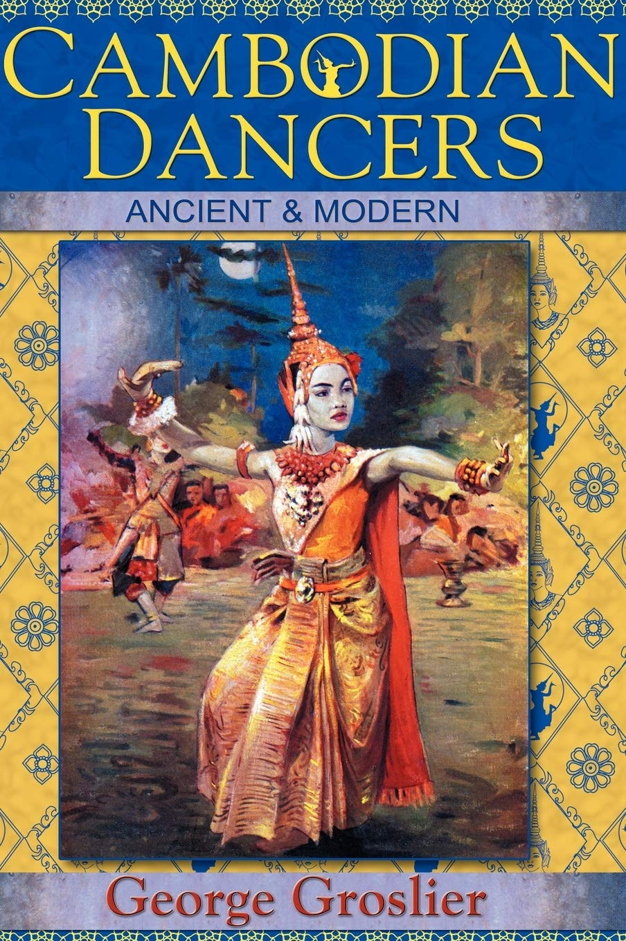
For travelers, researchers, and lovers of Khmer culture, Cambodian Dancers – Ancient and Modern by Georges Groslier is one of the essential books for understanding Cambodia beyond its temples. Written in the early twentieth century, it offers a rare, meticulous portrait of the royal ballet at a time when Cambodia was little known to the outside world. More than a historical curiosity, this work still speaks to readers who want to see how dance, spirituality, and power have shaped Cambodian history.
The first close look at Khmer royal ballet
Groslier came back in Phnom Penh in the 1910s with an unusual privilege for a foreign observer: he was allowed to watch the rehearsals of the royal dancers and to sketch and photograph them from close range. From these months of observation he wrote Danseuses cambodgiennes anciennes et modernes, translated into English as Cambodian Dancers – Ancient and Modern. Scholars of performing arts often describe it as the first major commentary in any language on Cambodian court dance, one of the world’s most refined performance traditions.
The English version combines detailed descriptions of gestures, costumes, and choreography with more than two hundred drawings and photographs documenting the dancers and their world. For anyone interested in travel, history, or Southeast Asian performing arts, these pages provide a visual journey into a vanished Phnom Penh, when the palace was the beating heart of Khmer cultural life.
Dance, devotion, and the spirit of Angkor
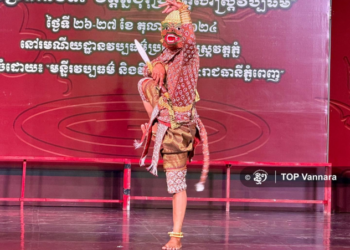
In Groslier’s account, Cambodian dance is never just entertainment. He shows how the royal ballet grew from sacred temple traditions that once animated the stone galleries of Angkor, where apsara dancers are carved into almost every wall. Movements, he explains, are linked to myths, rituals, and royal ceremonies that connect the king, the court, and the gods in a carefully balanced universe.
This perspective helps modern readers understand why court dance occupies such a central place in Khmer culture. Long before mass tourism arrived, performances were intimate and charged with meaning, created for coronations, religious festivals, or diplomatic visits that placed Cambodia on the world stage. Reading this book today gives travelers and culture lovers a deeper lens when they watch a modern apsara show in Phnom Penh or Siem Reap.
A complex witness to Cambodian history
Groslier is remembered not only as a writer but also as the founding curator of what is now the National Museum of Cambodia and the creator of the School of Cambodian Arts. His life’s work focused on documenting, preserving, and promoting Khmer art at a time when many traditions were under pressure from modernization and colonial rule. Cambodian Dancers – Ancient and Modern is part of this larger project of cultural preservation.
At the same time, the book reflects its colonial context. Groslier writes as a passionate admirer of Khmer civilization, but his gaze is framed by French understandings of “heritage” and “tradition” in the early 1900s. For contemporary readers, this tension is part of the book’s value: it reveals how Cambodian dance was seen, interpreted, and sometimes romanticized at a key moment in the country’s modern history.
Why this book still matters for Cambodia today
For students of Cambodian history, the book is a primary source on how the royal ballet looked and functioned before the upheavals of the twentieth century. For dancers and choreographers, it offers descriptions and images that help trace the evolution of gestures, costumes, and stage conventions over more than a century. For travelers, it is a powerful companion to visits to the National Museum, the Royal Palace area, or a contemporary dance performance, turning each step and hand movement into a story rooted in Khmer memory.
Modern editions in English combine Groslier’s original text with extensive notes, archival photographs, and biographical material on the author, including collaborations with his daughter and Cambodian dance specialists. This makes the book accessible to a new international audience interested in Cambodia’s culture, history, and performing arts.
In an era when many visitors know Cambodia mainly through Angkor Wat and Khmer cuisine, Cambodian Dancers – Ancient and Modern opens a window onto a more intimate, living heritage. It invites readers to see dance not only as a spectacle but also as a language through which Cambodia tells its own story, step by step.