
Pech Tum Kravel (ពេជ្រ ទុំក្រវិល) is a name that resonates deeply in the realm of Cambodian performing arts. Known as a master of classical Cambodian theatre, Pech Tum Kravel (also spelled Pich Tum Kravel) played a critical role in reviving, preserving, and promoting traditional Khmer dramatic arts, especially after the devastations of the Khmer Rouge era. His life and work symbolize not only the enduring spirit of Cambodia’s cultural heritage but also the resilience of the human soul in the face of tragedy and loss.
Early Life and Education
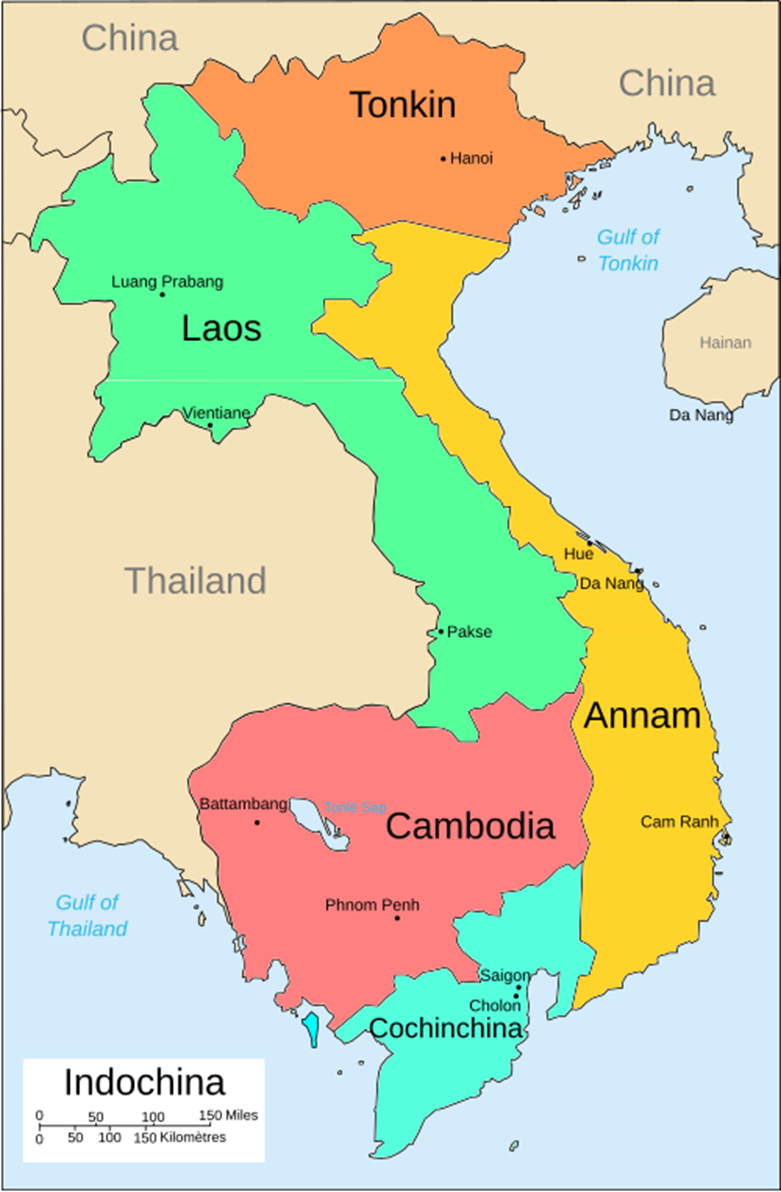
Pech Tum Kravel , born Chhorn Tort (ឈន ទត), was born in 1943 in Cambodia, during a period when the country was still under French colonial rule. From an early age, he demonstrated an affinity for performance, literature, and storytelling, all of which were deeply rooted in Cambodia’s rich artistic traditions. As a young man, he studied under prominent masters of Lakhon (classical theatre) and Yike (a form of Cambodian musical theatre), eventually becoming an accomplished performer and scholar.
His formal training at the Royal University of Fine Arts in Phnom Penh equipped him with not only performance skills but also an academic foundation. This dual expertise allowed him to straddle the worlds of practice and theory, making him an indispensable figure in the development of modern Cambodian theatre.
Contributions to Cambodian Performing Arts
Pech Tum Kravel was not merely an actor or a playwright—he was a custodian of tradition and a visionary innovator. He is credited with reviving numerous classical Khmer plays and performance styles that were on the verge of extinction. He wrote, adapted, and directed a significant number of plays that are still performed today. As an actor, he became famous in the 1960s when he played the part of Tum, in a movie adapted from the tragic love story Tum Teav. He also authored at least one volume of poetry.
One of his most notable contributions was the preservation and revitalization of Lakhon Bassac and Yike. These traditional forms blend narrative storytelling with music, dance, and drama, often drawing from ancient epics such as the Reamker (Cambodia’s version of the Ramayana). Pech Tum Kravel helped document these art forms, some of which had previously only been transmitted orally, and introduced modern notation and staging techniques to ensure their survival.
His plays often blended folklore, history, and mythology with subtle commentaries on social and political issues. He had a remarkable ability to convey profound messages through poetic language and symbolic actions, making his works both educational and entertaining.
The Khmer Rouge Era and Its Aftermath
The rise of the Khmer Rouge in 1975 marked a catastrophic period for Cambodia, and its cultural sector was almost wiped away. During the regime’s brutal rule from 1975 to 1979, nearly all forms of artistic expression were suppressed. Countless artists, musicians, dancers, and performers were killed or forced into labor camps. Cultural institutions were dismantled, and the rich heritage of Cambodian performing arts was nearly annihilated.
Pech Tum Kravel survived this dark period, though it left deep scars. After the fall of the Khmer Rouge, he became one of the most prominent figures in the cultural reconstruction of Cambodia. Recognizing the urgent need to reclaim and restore the nation’s artistic identity, he worked tirelessly to rebuild the theatre and arts communities.
He took on the monumental task of locating surviving artists, reviving lost scripts, and training a new generation of performers. His post-genocide work is seen as a form of cultural healing, helping to restore a sense of identity and pride among the Cambodian people.
Educator and Mentor
In addition to his artistic endeavors, Pech Tum Kravel was a passionate educator. He taught at the Royal University of Fine Arts, where he trained hundreds of students in classical theatre and drama. His pedagogical approach combined rigorous discipline with creative freedom, encouraging students to respect tradition while also exploring new interpretations.
He emphasized the importance of research and documentation, pushing for a more academic approach to traditional arts. His scholarly work included numerous articles and papers on Cambodian theatre history, performance theory, and cultural policy. These writings have become vital resources for researchers and practitioners alike.
Many of his former students have gone on to become prominent artists, directors, and teachers, continuing his legacy and expanding the reach of Cambodian theatre both domestically and internationally.
Recognition and Awards
Pech Tum Kravel’s extraordinary contributions to Cambodian culture did not go unnoticed. He received numerous national and international accolades during his lifetime. Among his most prestigious honors was being named a National Living Human Treasure by UNESCO, a recognition reserved for individuals who possess outstanding knowledge and skills required to perform or recreate specific elements of intangible cultural heritage.
In 2003, the Cambodian government awarded him the title of Sahak Phanit, acknowledging his role in national cultural development. His influence extended beyond Cambodia as he represented his country at international cultural forums and festivals, helping to introduce Khmer theatre to global audiences.
Legacy
Pech Tum Kravel passed away in 2015, but his legacy continues to thrive. His works are still performed in theatres and schools across Cambodia. His influence is evident in the revival of public interest in classical Cambodian arts, the increased funding for cultural programs, and the growing international recognition of Khmer performing traditions.
Institutions such as the Ministry of Culture and Fine Arts and the Royal University of Fine Arts continue to use his teachings and methodologies in their curricula. His name is often invoked with reverence by students, scholars, and artists as a symbol of excellence and dedication.
In recent years, there has been a resurgence of interest in his work, with young performers and directors staging modern adaptations of his plays. Digital archives and documentaries have been created to preserve his teachings, making them accessible to future generations.
Broader Impact on Cambodian Society
Beyond the arts, Pech Tum Kravel’s work had a profound societal impact. In a country struggling to recover from trauma, his dedication to cultural restoration provided a sense of continuity and identity. His theatre became a medium for education, moral instruction, and community building.
Many of his plays addressed social themes such as justice, morality, family, and resilience. By grounding these themes in Cambodian mythology and history, he offered audiences a way to reconnect with their roots and values. His work thus contributed to the broader process of national healing and reconciliation.
Pech Tum Kravel’s life is a testament to the power of art as a force for preservation, education, and healing. Through his tireless efforts, he not only revived Cambodia’s classical theatre but also inspired generations to cherish and continue their cultural traditions. He stands as one of the most important figures in modern Cambodian cultural history, revered not only for his artistic achievements but also for his unwavering commitment to the survival and growth of Khmer identity.
In the story of Cambodia’s cultural renaissance, Pech Tum Kravel remains a central and heroic figure—a man who, through performance and poetry, helped a wounded nation find its voice again.