Wonders of Cambodia
Advertisement
  • Home
  • Culture
  • Cuisine
  • Tourism
  • Business
  • Life in Cambodia
  • 中文
  • ខ្មែរ
  • Français
  • Tiếng Việt
  • e-Books
No Result
View All Result
  • Home
  • Culture
  • Cuisine
  • Tourism
  • Business
  • Life in Cambodia
  • 中文
  • ខ្មែរ
  • Français
  • Tiếng Việt
  • e-Books
No Result
View All Result
Wonders of Cambodia
No Result
View All Result
Home Culture

Chapei Dang Veng: The Resonant Soul of Cambodian Storytelling

Pascal Medeville by Pascal Medeville
February 26, 2026
in Culture, Music
Reading Time: 7 mins read
0

Discover the witty art of Cambodia’s musical storytellers — the chapei dang veng players — whose long-necked lutes carry centuries of humor, wisdom, and poetic resilience.

Portrait of a female musician at the Cambodian Royal Palace in 1880. Photo by Émile Gsell (1838-1879) (Public domain)

Introduction: The Long-Necked Voice of Cambodia

There’s a curious joy in hearing a Cambodian elder strike the first notes of the chapei dang veng, that unmistakable twang from a long-necked lute echoing across rural courtyards. The performer leans forward, smiles knowingly, and launches into improvised verse that slides effortlessly between singing and spoken rhyme.

This is more than music — it’s an oral encyclopedia of Cambodian culture, morality, and sharp social satire. If you’ve ever wondered how a nation’s soul survives war, modernization, and digital noise, look no further than the chapei player, who continues to narrate life’s dramas with wit and grace.

This article explores the history, artistry, and modern revival of the chapei dang veng, a tradition recognized by UNESCO as an Intangible Cultural Heritage of Humanity, and one that remains central to Cambodia’s living identity.

What Exactly Is a Chapei Dang Veng?

A Long-Necked Lute with a Big Personality

The chapei dang veng (Khmer: ចាប៉ីដងវែង, literally “long-necked lute”) is a two-string, fretted instrument played with a plectrum rather than fingers. Traditionally carved from a single block of wood, its long neck (often nearing a meter) gives it both its name and its comically elongated appearance — one that contrasts humorously with the compact posture of its player.

The player sings and recites poetry in Khmer verse meters, alternating between storytelling, moral reflection, and spontaneous social commentary. Historically, the chapei master was equal parts musician, teacher, and comedian — a troubadour with a Buddhist spirit and a stand-up’s timing.

The Voice of Buddhist and Folk Wisdom

A performance isn’t mere entertainment. It’s grounded in Jataka tales, Buddhist parables, and local legends. The performer builds rhythm and humor while unfolding ethical lessons — a distinctly Khmer fusion of laughter and contemplation.

As the chapei’s wooden body resonates, so too does the performer’s voice — tuneful yet spoken, often teasing the audience into laughter before delivering a line of heart-stirring truth.

The Historical Journey of the Chapei Dang Veng

From Monks’ Courtyards to Popular Art

In earlier centuries, the chapei accompanied Buddhist monks and lay educators as they transmitted moral instruction through verse. Over time, it evolved into a popular art form, performed in festivals, village celebrations, and royal gatherings.

By the mid-20th century — before the cultural tragedies of the Khmer Rouge era — the chapei dang veng had become a fixture of Cambodian public life. It expressed both reverence for tradition and delight in language itself.

Survival Through Silence

The Khmer Rouge years (1975–1979) nearly annihilated this tradition. Many master performers perished. Yet after 1979, survivors like the legendary Master Kong Nay — blind and blessed with unmatched lyrical skill — revived the art form. His music became a bridge between ancient memory and modern resilience.

Kong Nay playing the chapei dong veng, Phnom Penh, 2007 (n ole, CC BY 2.0)

Today, younger players continue the tradition not just in pagodas but on YouTube, turning chapei’s age-old verses into something the digital generation can rediscover.

How the Chapei Speaks: Improvisation, Wit, and Wisdom

The Art of Verbal Acrobatics

Chapei verses often sound like improvised commentaries on everyday life — politics, love, or the foolishness of human pride. But make no mistake: behind the wit lies profound craftsmanship. Performers must master intricate poetic meters and musical phrasing, sometimes improvising on audience cues.

At its best, chapei poetry weaves together social criticism and moral reflection. One might mock a greedy merchant one moment, then meditate on impermanence the next. The chapei player becomes Cambodia’s philosopher-jester, balancing amusement and insight.

Humor as Cultural Armour

Cambodian humor, especially in chapei, often masks deep scars. A playful verse can conceal serious truth — a coping mechanism in a society that’s seen more than its share of upheaval. The chapei thus becomes both a social mirror and a healing instrument, laughing through pain, singing through history.

Chapei Dang Veng in the Modern World

A Revival Rooted in Heritage

Since its 2016 inscription on the UNESCO Intangible Cultural Heritage list, the chapei dang veng has benefited from renewed recognition. Cultural NGOs and music schools now teach it to new generations. Performers like Kong Nay and Ouch Savy have even collaborated on fusion projects with Western musicians — proving that the old lute can groove quite comfortably with electric guitars.

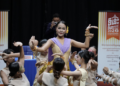
At festivals like Cambodia Heritage Week, you might see young students performing verses about TikTok addiction or environmental protection — a sign that the art remains alive, flexible, and socially relevant.

Digital Platforms and Global Ears

YouTube and Facebook have given chapei performers unexpected new audiences. Videos featuring witty duels between masters (“musical debates” in rhyme) attract thousands of views. What began as temple courtyard storytelling now streams worldwide.

For many Cambodians abroad, these performances rekindle a sense of identity — a digital village where laughter and wisdom meet in 4/4 time.

Why the Chapei Dang Veng Still Matters

The chapei dang veng is not simply a museum artifact. It is a living philosophy. Its continued practice ensures that Khmer language, proverbs, and poetic imagination survive in an era when short-form video threatens long-form reflection.

Watching a chapei performance is to witness the Cambodian genius for balance — between joy and morality, grief and laughter, the sacred and the absurd. It reminds us that humor and art are perhaps the most elegant tools for survival ever invented.

Conclusion

The chapei dang veng sings with the same playful gravitas that Cambodia itself embodies — lighthearted yet profound, humble yet enduring. To listen is to travel through memory, melody, and meaning all at once; and to realize that every plucked string still carries the laughter, sorrow, and wisdom of a nation that refuses to forget itself.

Sources & Further Reading

  • UNESCO Intangible Cultural Heritage: Official profile of the Chapei Dang Veng and its recognition.
  • Kong Nay: The Soul of Cambodian Music: Biographical overview of the master performer (Wikipedia).
  • Cambodian Living Arts: Organization supporting the transmission of traditional music, including chapei.
  • YouTube – Chapei Dang Veng Performances: A growing archive of both classic and modern interpretations.

About the Author

Pascal Médeville is a writer and digital publisher based in Phnom Penh. His work explores Cambodian culture, Asian languages, and the intersections of tradition and modern media. Through blogs like Wonders of Cambodia and Khmerologie, he documents Southeast Asia’s living heritage with a mixture of research, wit, and affection.


Don’t miss our upcoming articles!

We don’t spam!

Check your inbox or spam folder to confirm your subscription.

Tags: Cambodian heritageCambodian musicCambodian oral traditionCambodian storytellingCambodian traditional instrumentsChapei Dang VengIntangible cultural heritageKhmer CultureKong NaySoutheast Asian musicចាប៉ីដងវេង
ShareTweet
Previous Post

Video: Chapei Dang Veng

Next Post

Picture of the day: Heliotropium indicum in a Cambodian Field

Pascal Medeville

Pascal Medeville

Author of the blog Wonders of Cambodia, I share my passion for Cambodia through stories, cultural insights, and personal reflections on the country. I'm also the founder of Simili Consulting, where we provide high-quality, professional translation services to international clients.

Related Posts

Picture of the day: Duranta erecta in Phnom Penh’s Quiet Office Park
Flora

Picture of the day: Duranta erecta in Phnom Penh’s Quiet Office Park

March 6, 2026
Ke Pauk: Who Was the Khmer Rouge’s “Red Commander”?
History

Ke Pauk: Who Was the Khmer Rouge’s “Red Commander”?

March 4, 2026
Picture of the day: Khmer Kite Khlaeng Ek on Rustic Container Wall
Handicraft

Picture of the day: Khmer Kite Khlaeng Ek on Rustic Container Wall

March 4, 2026
Diamond Island: Davy Chou’s Neon Mirage of Modern Cambodia
Cinema

Diamond Island: Davy Chou’s Neon Mirage of Modern Cambodia

March 3, 2026
Paul Pelliot: The Sinologist Who Helped Put Cambodia on the Map of World History
History

Paul Pelliot: The Sinologist Who Helped Put Cambodia on the Map of World History

March 3, 2026
Picture of the day: Dragon Bones by the Cambodian Roadside
Flora

Picture of the day: Dragon Bones by the Cambodian Roadside

March 2, 2026
Next Post
Picture of the day: Heliotropium indicum in a Cambodian Field

Picture of the day: Heliotropium indicum in a Cambodian Field

Leave a Reply Cancel reply

Your email address will not be published. Required fields are marked *

  • Trending
  • Comments
  • Latest
The French Protectorate of Cambodia (1863–1953): An Overview

The French Protectorate of Cambodia (1863–1953): An Overview

July 13, 2025
The Franco-Siamese Treaty of 23 March 1907: Borders, Politics, and the Return of Angkor

The Franco-Siamese Treaty of 23 March 1907: Borders, Politics, and the Return of Angkor

February 11, 2026
Cambodian-Vietnamese War (1978-1989)

Cambodian-Vietnamese War (1978-1989)

July 13, 2025
The Franco–Siamese Treaty of 1904: Drawing Borders, Shaping Destinies

The Franco–Siamese Treaty of 1904: Drawing Borders, Shaping Destinies

February 11, 2026
Kampot Province

Takeo Province: A Cradle of Cambodian History and Culture

3
Kratié Town on the Mekong: Colonial Echoes, River Life, and Irrawaddy Dolphins

Kratié Town on the Mekong: Colonial Echoes, River Life, and Irrawaddy Dolphins

3
Banteay Meanchey Province: A Gateway to Cambodia’s Rich Heritage

Banteay Meanchey Province: A Gateway to Cambodia’s Rich Heritage

2
Stung Treng Province: The Gateway to Cambodia’s Northern Wilderness

Stung Treng Province: The Gateway to Cambodia’s Northern Wilderness

2
Picture of the day: Duranta erecta in Phnom Penh’s Quiet Office Park

Picture of the day: Duranta erecta in Phnom Penh’s Quiet Office Park

March 6, 2026
Lotus Path: How Millennium Destinations Is Reimagining MICE Events in Cambodia

Lotus Path: How Millennium Destinations Is Reimagining MICE Events in Cambodia

March 5, 2026
ព្រះវិហារចាស់នៃវត្តខ្នារកកោះ៖ សាក្សីដ៏ផុយស្រួយនៃប្រវត្តិសាស្រ្តខ្មែរក្រហមក្នុងខេត្តតាកែវ

ព្រះវិហារចាស់នៃវត្តខ្នារកកោះ៖ សាក្សីដ៏ផុយស្រួយនៃប្រវត្តិសាស្រ្តខ្មែរក្រហមក្នុងខេត្តតាកែវ

March 5, 2026
Picture of the day: Cambodia’s Comforting Black Chicken Soup

Picture of the day: Cambodia’s Comforting Black Chicken Soup

March 5, 2026

Recent News

Picture of the day: Duranta erecta in Phnom Penh’s Quiet Office Park

Picture of the day: Duranta erecta in Phnom Penh’s Quiet Office Park

March 6, 2026
Lotus Path: How Millennium Destinations Is Reimagining MICE Events in Cambodia

Lotus Path: How Millennium Destinations Is Reimagining MICE Events in Cambodia

March 5, 2026
ព្រះវិហារចាស់នៃវត្តខ្នារកកោះ៖ សាក្សីដ៏ផុយស្រួយនៃប្រវត្តិសាស្រ្តខ្មែរក្រហមក្នុងខេត្តតាកែវ

ព្រះវិហារចាស់នៃវត្តខ្នារកកោះ៖ សាក្សីដ៏ផុយស្រួយនៃប្រវត្តិសាស្រ្តខ្មែរក្រហមក្នុងខេត្តតាកែវ

March 5, 2026
Picture of the day: Cambodia’s Comforting Black Chicken Soup

Picture of the day: Cambodia’s Comforting Black Chicken Soup

March 5, 2026
Wonders of Cambodia

Exploring Culture, Nature, and Spirit in the Land of Wonder.

Follow Us

Browse by Category

  • Architecture
  • Architecture
  • Art
  • Books
  • Business
  • Business
  • Cinema
  • Cuisine
  • Culture
  • Defense
  • Du lịch
  • e-Books
  • Education
  • Expat life
  • Fauna
  • Festival
  • Flora
  • Food providers
  • Français
  • Geography
  • Handicraft
  • Health
  • Histoire
  • History
  • Hotels
  • Khmer Stories
  • Khmer stories
  • Knowledge
  • Language
  • Lịch sử
  • Life in Cambodia
  • Literature
  • Music
  • Pictures
  • Politics
  • Population
  • Press review
  • Professional services
  • Proverbs
  • Reference
  • Reference
  • Religion
  • Restaurants
  • Textile
  • Tiếng Việt
  • Tourism
  • Tourisme
  • Transport
  • Uncategorized
  • Video
  • Vie quotidienne
  • Who's who
  • ខ្មែរ
  • ទេសចរណ៍៖
  • ប្រវត្តិសាស្ត្រោ
  • 中文
  • 书籍
  • 历史
  • 旅游
  • 生活

Recent News

Picture of the day: Duranta erecta in Phnom Penh’s Quiet Office Park

Picture of the day: Duranta erecta in Phnom Penh’s Quiet Office Park

March 6, 2026
Lotus Path: How Millennium Destinations Is Reimagining MICE Events in Cambodia

Lotus Path: How Millennium Destinations Is Reimagining MICE Events in Cambodia

March 5, 2026
  • About Us
  • Advertise
  • Privacy & Policy
  • Contact Us

© 2025 - Made with 💫 by TechFlow.

No Result
View All Result
  • Home
  • Culture
  • Cuisine
  • Tourism
  • Business
  • Life in Cambodia
  • 中文
  • ខ្មែរ
  • Français
  • Tiếng Việt
  • e-Books

© 2025 - Made with 💫 by TechFlow.