Wonders of Cambodia
Advertisement
  • Home
  • Culture
  • Cuisine
  • Tourism
  • Business
  • Life in Cambodia
  • 中文
  • ខ្មែរ
  • Français
  • Tiếng Việt
  • e-Books
No Result
View All Result
  • Home
  • Culture
  • Cuisine
  • Tourism
  • Business
  • Life in Cambodia
  • 中文
  • ខ្មែរ
  • Français
  • Tiếng Việt
  • e-Books
No Result
View All Result
Wonders of Cambodia
No Result
View All Result
Home Cuisine

Khâ Ko: Khmer Beef at its Best

Pascal Medeville by Pascal Medeville
July 13, 2025
in Cuisine
Reading Time: 5 mins read
0
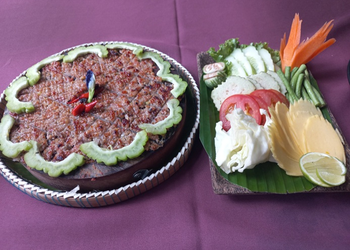
Khâ ko (©Pascal Médeville)

Khmer cuisine, the culinary tradition of Cambodia, is rich in flavors, textures, and history. Among its many beloved dishes, Khâ Ko (ខគោ) (also spelled Kha Ko or Khor Ko) stands out as a traditional and deeply flavorful dish. This slow-cooked beef or buffalo stew is a testament to the Khmer people’s mastery of blending spices, herbs, and patience to create a dish that is both hearty and aromatic.
In this article, we will explore the origins of Khâ Ko, its ingredients, preparation methods, cultural significance, and how it fits into the broader context of Cambodian cuisine.

Origins and History of Khâ Ko
Khâ Ko is a dish deeply rooted in Cambodia’s rural and agricultural traditions. Historically, beef and buffalo meat were prized ingredients, often reserved for special occasions due to the value of cattle in farming communities. The slow-cooking method of Khâ Ko reflects the resourcefulness of Cambodian cooks, who developed techniques to tenderize tougher cuts of meat while maximizing flavor.
The dish shares similarities with other Southeast Asian stews, such as Vietnam’s Bò Kho, yet it maintains a distinctly Khmer identity through its unique blend of spices and the use of kroeung (a traditional Cambodian spice blend).

Key Ingredients in Khâ Ko
The richness of Khâ Ko comes from its carefully selected ingredients, which create a balance of savory, sweet, and aromatic flavors. The essential components include:
1. Meat
– Traditionally made with beef or buffalo, particularly tougher cuts like shank, brisket, or chuck, which benefit from long, slow cooking;
– Some variations use goat meat (Khâ Sach Popei), but beef remains the most common choice.
2. Aromatics & Spices
– Kroeung (Cambodian spice blend) – A blend of lemongrass, galangal, turmeric, garlic, shallots, and kaffir lime.
– Star anise – Adds a warm, licorice-like depth;
– Cinnamon – Provides sweetness and warmth;
– Cardamom – Contributes a floral, slightly citrusy note;
– Palm sugar – Balances the savory flavors with a touch of sweetness;
– Fish sauce – Enhances umami and saltiness;
– Black pepper – Adds a mild heat.
3. Vegetables & Herbs
– Carrots & daikon radish – Commonly added for sweetness and texture;
– Thai eggplant (optional) – Some versions include small eggplants for a slightly bitter contrast;
– Fresh herbs – Thai basil, cilantro, and green onions are used as garnishes.
4. Cooking Liquid
– Coconut water or coconut milk – Some recipes use coconut water for a lighter broth, while others use coconut milk for a creamier texture;
– Beef stock or water – Forms the base of the stew.

Preparation Method
Khâ Ko is a labor of love, requiring slow simmering to achieve its signature tenderness and depth of flavor. Here’s a step-by-step breakdown of the cooking process:
1. Marinating the Meat
– The beef is cut into large chunks and marinated with kroeung, fish sauce, and black pepper for at least 30 minutes (or overnight for deeper flavor).
2. Searing the Meat
– The meat is seared in a pot or clay pot to develop a rich, caramelized exterior.
3. Slow Cooking
– The seared meat is simmered with star anise, cinnamon, cardamom, and palm sugar in coconut water or beef stock;
– The stew is cooked on low heat for 2-3 hours until the meat is fork-tender;
– Carrots and daikon are added towards the end to retain some texture.
4. Finishing Touches
– The stew is adjusted for seasoning with more fish sauce or palm sugar if needed;
– It is garnished with fresh herbs before serving.

Serving and Accompaniments
Khâ Ko is typically enjoyed in several ways:
1. With Rice – The most common way, served over steamed jasmine rice to soak up the flavorful broth;
2. With Fresh Bread – A French colonial influence, where the stew is eaten with a baguette, similar to Vietnamese Bò Kho;
3. With Rice Noodles – Some variations are served with thick noodles.
A side of pickled vegetables (carrots, radish, or cucumber) or fresh herbs adds brightness to the dish.

Cultural Significance of Khâ Ko
Khâ Ko is more than just a meal—it represents Cambodian tradition, patience, and communal dining.
– Family Gatherings: Often prepared for special occasions, holidays, and family reunions, where slow-cooked dishes symbolize care and hospitality;
– Street Food & Local Eateries: While traditionally a home-cooked dish, Khâ Ko is also found in markets and small restaurants, especially in rural areas;
– French Colonial Influence: The use of bread as an accompaniment reflects Cambodia’s history under French rule, blending local flavors with foreign influences.

Khâ Ko in the Context of Cambodian Cuisine
Cambodian cuisine is known for its balance of sweet, sour, salty, and bitter flavors. Khâ Ko fits perfectly within this framework:
– Compared to Amok (fish curry): While Amok is steamed and coconut-based, Khâ Ko is a slow-cooked stew with deeper spice notes;
– Compared to Samlor Korko (mixed soup): Both are hearty, but Samlor Korko includes a variety of vegetables and sometimes fermented fish, while Khâ Ko focuses on meat and spices;
– Compared to Lok Lak (stir-fried beef): Lok Lak is quicker to prepare, whereas Khâ Ko requires hours of simmering.

Modern Variations and Adaptations
While traditional Khâ Ko remains popular, modern cooks have introduced variations:
– Pressure Cooker Khâ Ko – Cuts cooking time significantly while retaining flavor;
– Vegetarian/Vegan Versions – Using mushrooms or tofu as meat substitutes;
– Fusion Dishes – Some chefs incorporate Khâ Ko flavors into pasta sauces or pies.

Khâ Ko is a dish that embodies the heart of Khmer culinary tradition—rich in history, flavor, and cultural significance. Its slow-cooked tenderness, aromatic spices, and comforting warmth make it a favorite among Cambodians and food enthusiasts worldwide. Whether enjoyed with rice, bread, or noodles, Khâ Ko is a testament to Cambodia’s culinary heritage and the art of turning simple ingredients into something extraordinary.
For those seeking to explore Cambodian cuisine beyond the well-known Amok or Bai Sach Chrouk, Khâ Ko offers a delicious and deeply satisfying experience. Its preparation may require time and patience, but the result is a dish that truly celebrates the essence of Khmer cooking.

Don’t miss our upcoming articles!

We don’t spam!

Check your inbox or spam folder to confirm your subscription.

📘 Get your Guide to the French Protectorate in Cambodia and the Franco–Siamese Treaties (1863–1953)

Check your inbox or spam folder to get your subscription.

Tags: Cambodian beef stewCambodian cuisinecambodian dishesculinary tradition of Cambodiaiconic dishes of Khmer cuisineKha KoKhmer cuisinekhmer dishesKhor Koខគោ
ShareTweet
Previous Post

Hun Sen: Cambodia’s Visionary Leader

Next Post

Cambodia on the World Bank website

Pascal Medeville

Pascal Medeville

Author of the blog Wonders of Cambodia, I share my passion for Cambodia through stories, cultural insights, and personal reflections on the country. I'm also the founder of Simili Consulting, where we provide high-quality, professional translation services to international clients.

Related Posts

Picture of the day: Cambodia’s Comforting Black Chicken Soup
Cuisine

Picture of the day: Cambodia’s Comforting Black Chicken Soup

March 5, 2026
Picture of the day: Boeuf Bourguignon Comfort in Phnom Penh
Cuisine

Picture of the day: Boeuf Bourguignon Comfort in Phnom Penh

March 1, 2026
Picture of the day: Golden Sugar Palm Cakes of Cambodia
Cuisine

Picture of the day: Golden Sugar Palm Cakes of Cambodia

February 25, 2026
Picture of the day: Kep’s Iconic Crab Statue
Cuisine

Picture of the day: Kep’s Iconic Crab Statue

February 22, 2026
Picture of the day: Bánh Canh Breakfast in a Cambodian Market
Cuisine

Picture of the day: Bánh Canh Breakfast in a Cambodian Market

February 21, 2026
Picture of the day: Salmon Carpaccio Comfort in Phnom Penh
Cuisine

Picture of the day: Salmon Carpaccio Comfort in Phnom Penh

February 18, 2026
Next Post

Cambodia on the World Bank website

  • Trending
  • Comments
  • Latest
The French Protectorate of Cambodia (1863–1953): An Overview

The French Protectorate of Cambodia (1863–1953): An Overview

July 13, 2025
The Franco-Siamese Treaty of 23 March 1907: Borders, Politics, and the Return of Angkor

The Franco-Siamese Treaty of 23 March 1907: Borders, Politics, and the Return of Angkor

February 11, 2026
Cambodian-Vietnamese War (1978-1989)

Cambodian-Vietnamese War (1978-1989)

July 13, 2025
The Franco–Siamese Treaty of 1904: Drawing Borders, Shaping Destinies

The Franco–Siamese Treaty of 1904: Drawing Borders, Shaping Destinies

February 11, 2026
Kampot Province

Takeo Province: A Cradle of Cambodian History and Culture

3
Kratié Town on the Mekong: Colonial Echoes, River Life, and Irrawaddy Dolphins

Kratié Town on the Mekong: Colonial Echoes, River Life, and Irrawaddy Dolphins

3
Banteay Meanchey Province: A Gateway to Cambodia’s Rich Heritage

Banteay Meanchey Province: A Gateway to Cambodia’s Rich Heritage

2
Stung Treng Province: The Gateway to Cambodia’s Northern Wilderness

Stung Treng Province: The Gateway to Cambodia’s Northern Wilderness

2
Picture of the day: Duranta erecta in Phnom Penh’s Quiet Office Park

Picture of the day: Duranta erecta in Phnom Penh’s Quiet Office Park

March 6, 2026
Lotus Path: How Millennium Destinations Is Reimagining MICE Events in Cambodia

Lotus Path: How Millennium Destinations Is Reimagining MICE Events in Cambodia

March 5, 2026
ព្រះវិហារចាស់នៃវត្តខ្នារកកោះ៖ សាក្សីដ៏ផុយស្រួយនៃប្រវត្តិសាស្រ្តខ្មែរក្រហមក្នុងខេត្តតាកែវ

ព្រះវិហារចាស់នៃវត្តខ្នារកកោះ៖ សាក្សីដ៏ផុយស្រួយនៃប្រវត្តិសាស្រ្តខ្មែរក្រហមក្នុងខេត្តតាកែវ

March 5, 2026
Picture of the day: Cambodia’s Comforting Black Chicken Soup

Picture of the day: Cambodia’s Comforting Black Chicken Soup

March 5, 2026

Recent News

Picture of the day: Duranta erecta in Phnom Penh’s Quiet Office Park

Picture of the day: Duranta erecta in Phnom Penh’s Quiet Office Park

March 6, 2026
Lotus Path: How Millennium Destinations Is Reimagining MICE Events in Cambodia

Lotus Path: How Millennium Destinations Is Reimagining MICE Events in Cambodia

March 5, 2026
ព្រះវិហារចាស់នៃវត្តខ្នារកកោះ៖ សាក្សីដ៏ផុយស្រួយនៃប្រវត្តិសាស្រ្តខ្មែរក្រហមក្នុងខេត្តតាកែវ

ព្រះវិហារចាស់នៃវត្តខ្នារកកោះ៖ សាក្សីដ៏ផុយស្រួយនៃប្រវត្តិសាស្រ្តខ្មែរក្រហមក្នុងខេត្តតាកែវ

March 5, 2026
Picture of the day: Cambodia’s Comforting Black Chicken Soup

Picture of the day: Cambodia’s Comforting Black Chicken Soup

March 5, 2026
Wonders of Cambodia

Exploring Culture, Nature, and Spirit in the Land of Wonder.

Follow Us

Browse by Category

  • Architecture
  • Architecture
  • Art
  • Books
  • Business
  • Business
  • Cinema
  • Cuisine
  • Culture
  • Defense
  • Du lịch
  • e-Books
  • Education
  • Expat life
  • Fauna
  • Festival
  • Flora
  • Food providers
  • Français
  • Geography
  • Handicraft
  • Health
  • Histoire
  • History
  • Hotels
  • Khmer Stories
  • Khmer stories
  • Knowledge
  • Language
  • Lịch sử
  • Life in Cambodia
  • Literature
  • Music
  • Pictures
  • Politics
  • Population
  • Press review
  • Professional services
  • Proverbs
  • Reference
  • Reference
  • Religion
  • Restaurants
  • Textile
  • Tiếng Việt
  • Tourism
  • Tourisme
  • Transport
  • Uncategorized
  • Video
  • Vie quotidienne
  • Who's who
  • ខ្មែរ
  • ទេសចរណ៍៖
  • ប្រវត្តិសាស្ត្រោ
  • 中文
  • 书籍
  • 历史
  • 旅游
  • 生活

Recent News

Picture of the day: Duranta erecta in Phnom Penh’s Quiet Office Park

Picture of the day: Duranta erecta in Phnom Penh’s Quiet Office Park

March 6, 2026
Lotus Path: How Millennium Destinations Is Reimagining MICE Events in Cambodia

Lotus Path: How Millennium Destinations Is Reimagining MICE Events in Cambodia

March 5, 2026
  • About Us
  • Advertise
  • Privacy & Policy
  • Contact Us

© 2025 - Made with 💫 by TechFlow.

No Result
View All Result
  • Home
  • Culture
  • Cuisine
  • Tourism
  • Business
  • Life in Cambodia
  • 中文
  • ខ្មែរ
  • Français
  • Tiếng Việt
  • e-Books

© 2025 - Made with 💫 by TechFlow.