

Access to Angkor Wat Temple entrance (©Pascal Médeville)
Introduction
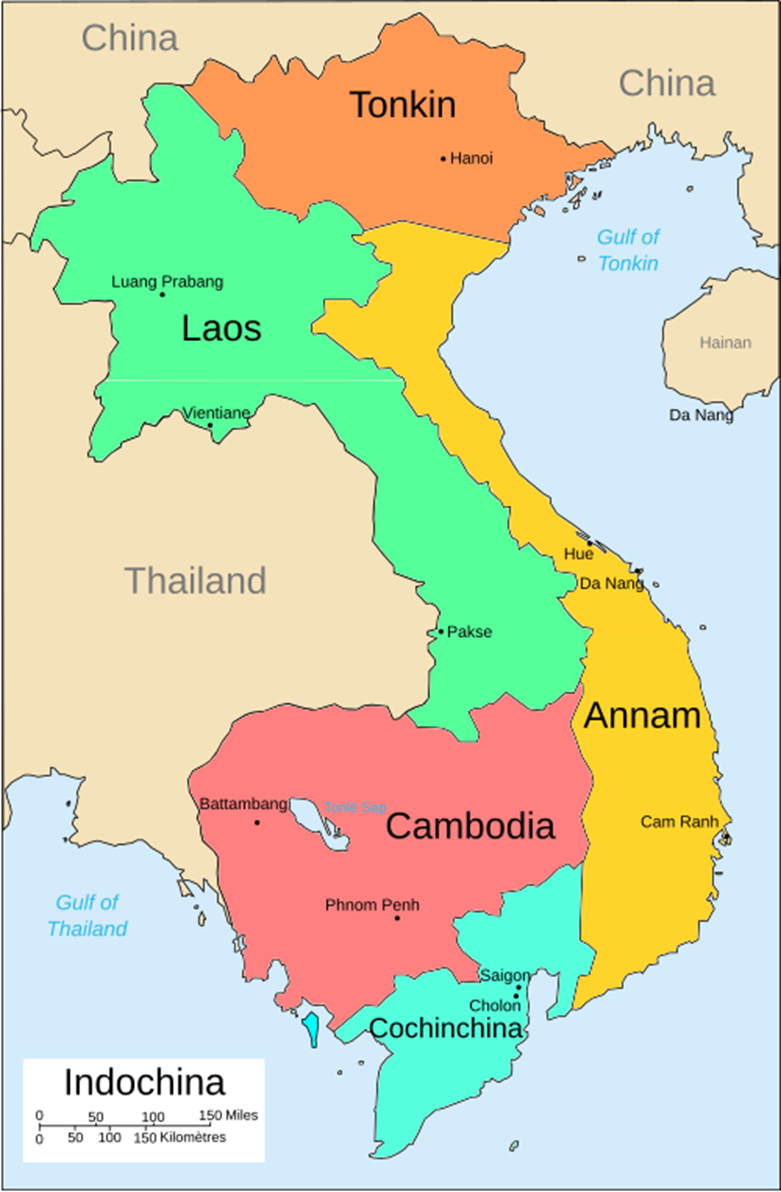
Angkor Wat (ប្រាសាទអង្គរវត្ត), located in Siem Reap, Cambodia, is one of the most magnificent and well-preserved temple complexes in the world. Built in the early 12th century by King Suryavarman II, it stands as a testament to the grandeur of the Khmer Empire. Originally dedicated to the Hindu god Vishnu, it later transformed into a Buddhist temple, reflecting Cambodia’s religious evolution. Recognized as a UNESCO World Heritage Site and featured on Cambodia’s national flag, Angkor Wat remains a symbol of cultural pride and architectural brilliance.
Historical Background
Angkor Wat was constructed during the height of the Khmer Empire (802–1431 CE), which dominated much of Southeast Asia. King Suryavarman II, who ruled from 1113 to 1150 CE, commissioned the temple as his state temple and eventual mausoleum. Unlike earlier Khmer temples dedicated to Shiva, Angkor Wat was devoted to Vishnu, signifying a shift in religious focus.
After the decline of the Khmer Empire, Angkor Wat was gradually abandoned and reclaimed by the jungle. It was “rediscovered” by Western explorers in the 19th century, most notably by French naturalist Henri Mouhot, whose writings brought global attention to the site.
Architectural Marvel
Angkor Wat is a masterpiece of Khmer architecture, blending symmetry, symbolism, and advanced engineering. Its design represents Mount Meru, the sacred five-peaked mountain in Hindu and Buddhist cosmology, which is considered the center of the universe.
Layout and Design
– Moat and Outer Wall: The temple is surrounded by a massive moat, symbolizing the cosmic ocean, and an outer wall measuring 1,024 by 802 meters;
– Central Temple Complex: The main structure consists of three rectangular galleries rising to a central tower (65 meters high), flanked by four smaller towers;
– Bas-Reliefs and Carvings: The walls are adorned with intricate bas-reliefs depicting Hindu epics like the Churning of the Ocean of Milk and scenes from the Mahabharata and Ramayana.
Construction Techniques
The Khmer builders used sandstone blocks transported from quarries over 50 km away. The precision of the stonework, assembled without mortar, demonstrates remarkable craftsmanship. The temple’s alignment with the sun during equinoxes highlights the Khmer’s astronomical knowledge.
Religious Significance
Originally a Hindu temple, Angkor Wat transitioned into a Buddhist site by the end of the 12th century under King Jayavarman VII, who embraced Mahayana Buddhism. Today, it remains an active Buddhist pilgrimage site, with monks and devotees offering prayers within its corridors.
The temple’s iconography reflects both Hindu and Buddhist themes. While many original Hindu statues were replaced with Buddhist imagery, the overall spiritual essence endures.
Cultural and Touristic Importance
Angkor Wat is Cambodia’s most visited tourist attraction, drawing millions of visitors annually. Its global recognition was solidified when it was declared a UNESCO World Heritage Site in 1992. The site faces challenges such as erosion, tourism pressure, and looting, but conservation efforts by organizations like the APSARA Authority and international partners help preserve its legacy.
Tourism Highlights
– Sunrise Viewing: A popular activity where visitors gather at dawn to see the temple illuminated by the rising sun;
– Exploring the Bas-Reliefs: The detailed carvings offer insights into Khmer mythology and history;
– Nearby Temples: Angkor Wat is part of the larger Angkor Archaeological Park, which includes other stunning temples like Bayon, Ta Prohm, and Banteay Srei.
Angkor Wat is more than just an ancient ruin; it is a living monument to Cambodia’s golden age. Its architectural grandeur, religious significance, and enduring legacy make it one of humanity’s greatest cultural treasures. As efforts continue to preserve this wonder, Angkor Wat remains a bridge between the past and present, inspiring awe and reverence in all who visit.
Whether admired for its historical depth, artistic beauty, or spiritual resonance, Angkor Wat stands as a timeless masterpiece. It reminds us of the Khmer Empire’s ingenuity and serves as a proud emblem of Cambodia’s heritage for generations to come.