Land force at the core of RCAF
The Royal Cambodian Army (RCA) (Khmer: កងទ័ពជើងគោក, Kâng Toăp Cheung Koŭk) is the land-warfare branch of the Royal Cambodian Armed Forces (RCAF), distinct from the navy and air force and by far the largest component in terms of personnel and units. While the navy secures rivers, lakes and coastline and the air force manages aviation and air transport, the army is responsible for operations on Cambodian soil, including border defense, rural security and support to civil authorities.

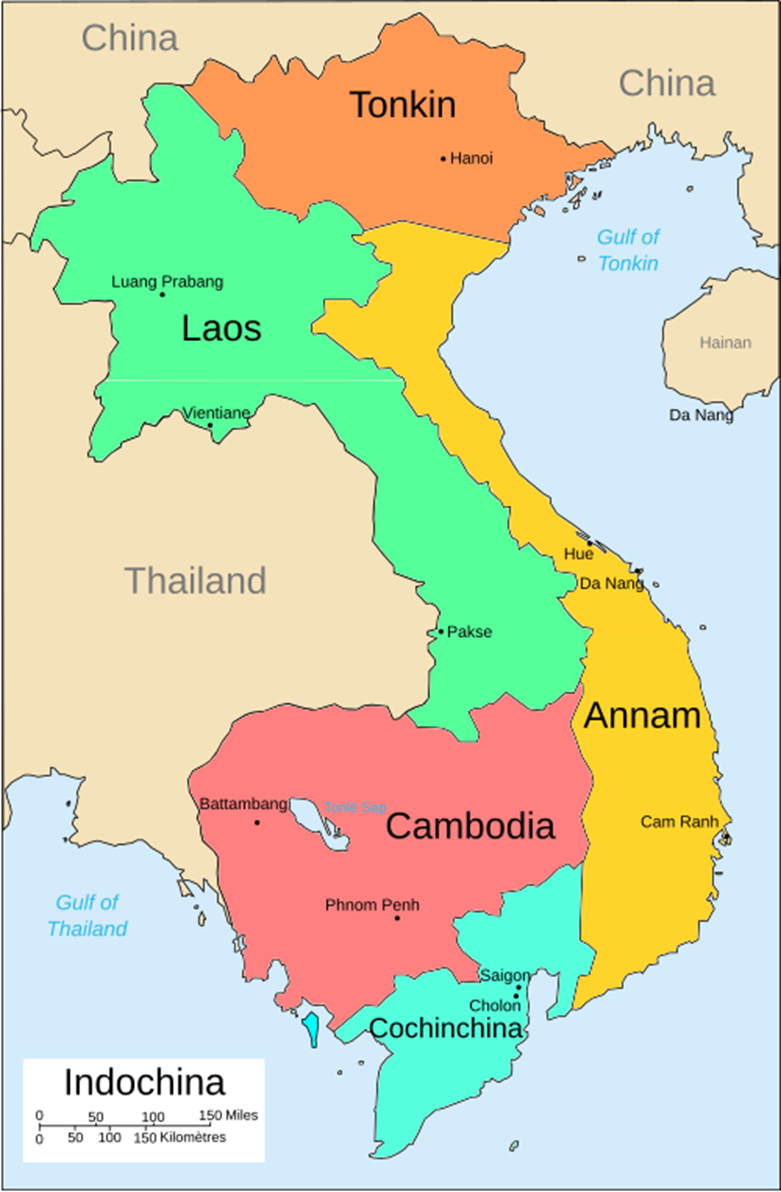
The army emerged from a succession of earlier land forces—colonial units under French Indochina, the Royal Khmer Armed Forces (FARK), the Khmer National Armed Forces (FANK), and later the Kampuchean People’s Revolutionary Armed Forces (KPRAF)—before being reconstituted within the unified RCAF after 1993. These predecessors were almost entirely ground forces, reflecting Cambodia’s geography and limited maritime and air capabilities throughout the twentieth century.
Post-1993 integration and land focus
Following the 1991 Paris Peace Agreements and UN‑organized elections, Cambodia’s various land-based factions—government forces and two non‑communist resistance armies—were integrated to form the new RCAF, with the Royal Cambodian Army as its land branch. The Khmer Rouge’s National Army of Democratic Kampuchea remained outside this process and continued guerrilla warfare until the late 1990s, when the government’s “Win‑Win policy” produced mass defections and the dismantling of remaining rebel ground units.
From that point on, the Royal Cambodian Army became the uncontested land force across the country, fielding infantry, armor, artillery and support units in all provinces, while the navy and air force remained comparatively small and specialized. Land operations—from border deployments to internal security missions—have therefore shaped the army’s doctrine, training and equipment more than air or maritime warfare.
Organization and missions on land
The Royal Cambodian Army is organized into regional commands and divisions that cover Cambodia’s major geographic zones, including the Thai and Vietnamese borders, the northern highlands, and the central Mekong plain. Each military region commands infantry and supporting arms, allowing the army to respond to border incidents, maintain a permanent presence in rural areas, and protect key road networks and infrastructure.
Core land missions include:
- Territorial defense along land borders with Thailand, Laos and Vietnam, often in areas with historical disputes or sensitive resources.
- Internal security and counter‑insurgency, which historically meant confronting remaining guerrilla groups and, more recently, supporting police and gendarmerie during unrest or major security operations.
- Support to civil authorities in disaster response, infrastructure repair and public works, roles that exploit the army’s logistics and engineering units spread across the provinces.
As a land force, the Royal Cambodian Army operates most of Cambodia’s heavy ground equipment: tanks, armored personnel carriers, towed artillery, multiple rocket launchers and air‑defense systems for protection of field units. The inventory blends older Soviet and Warsaw Pact vehicles and guns with newer Chinese-supplied platforms, reflecting decades of shifting external patrons and relatively modest defense budgets.

Infantry formations rely on a mix of assault rifles, machine guns, mortars and anti‑tank weapons sourced over time from Eastern bloc, Western and Chinese manufacturers. External assessments generally classify the army as a light-to-medium capability land force, adequate for internal security and limited border defense but not equipped for large‑scale, high‑tech conventional warfare against major regional militaries.
How the army differs from navy and air force
In institutional terms, all three branches fall under the same national command, but the army’s sheer size and territorial spread give it a much more visible presence in everyday Cambodian life compared with the more specialized and concentrated navy and air force. Where the navy is concentrated along waterways and the air force at a few air bases, the army maintains garrisons, checkpoints and training areas in virtually every province, reinforcing its role as the primary tool of state authority on the ground.
Political weight and land-based security
The Royal Cambodian Army plays a central role in domestic politics because control of ground forces often proves decisive in crises. Senior army officers have historically held key positions in provincial administration, the ruling party and business networks, linking the land force directly to the country’s governing elite.
For more detail on Cambodia’s land forces and their place alongside the navy and air force, you can explore:
Short synthesis of Cambodia’s armed forces, missions and branches: https://wondersofcambodia.com/the-cambodian-armed-forces-history-structure-and-role-in-society/
Royal Cambodian Army overview (organization, role and ground focus): https://en.wikipedia.org/wiki/Royal_Cambodian_Army
Royal Cambodian Armed Forces general structure, with separate land, sea and air branches: https://en.wikipedia.org/wiki/Royal_Cambodian_Armed_Forces
Military history of Cambodia’s earlier ground forces (FARK, FANK, KPRAF, etc.):
https://en.wikipedia.org/wiki/Military_history_of_Cambodia