The Mekong Delta (Khmer: ដីសណ្ដទន្លេមេគង្គ dey sân-dâ ton-le me-kong) is a region defined by water, fertile land, and the rhythms of a river that has shaped civilizations for centuries. Known in Vietnam as the “Nine Dragon River Delta,” it is more than just a geographical area. It is a dynamic mosaic of waterways, rice paddies, floating markets, and communities whose lives depend on the Mekong, one of the world’s great rivers. But speaking of the Mekong Delta inevitably involves acknowledging its deep relationship with Cambodia, its upstream neighbor and historical partner in the life of the river. The flow of water, trade, culture, and history between Cambodia and the Mekong Delta ties the two lands together in ways both visible and subtle.

Geography of a Riverine World
The Mekong River begins its journey high in the mountains of Tibet, carving through China, Myanmar, Laos, and Thailand before flowing across Cambodia. It finally fans out into the Mekong Delta in southern Vietnam, splitting into multiple distributaries before reaching the sea. This deltaic landscape, extending over more than 40,000 square kilometers, is among the most productive and densely populated regions of Southeast Asia.
For Cambodia, the delta is not only a geographical neighbor but also the end point of the river that defines much of its own national landscape. In Phnom Penh, the Mekong flows majestically, meeting with the Tonle Sap and Bassac rivers—the same waterways that continue downstream, carrying the livelihoods of Cambodians into Vietnam. The Delta is thus not independent from Cambodia; it is an extension of the shared Mekong ecosystem.
Agricultural Abundance
The Mekong Delta is Vietnam’s rice bowl, producing more than half of the country’s rice output. It is also home to vast orchards of tropical fruit and aquaculture farms, ranging from catfish to shrimp. This agricultural richness is possible only because of the silt-rich waters flowing from upstream, much of which pass through Cambodia before reaching the Delta.
Cambodia itself benefits from the seasonal floods of the Mekong. Each year, water levels rise, flooding parts of the Cambodian lowlands and reversing the flow of the Tonle Sap River, transforming the Tonle Sap Lake into one of the most fertile inland fisheries in the world. The excess waters leave behind fertile soil and ecosystems teeming with life, which enhance productivity for both Cambodian farmers and the Mekong Delta downstream. The seasonal connection shows how intimately linked Cambodia’s environment is with the vitality of the Delta.
Cultural and Historical Connections
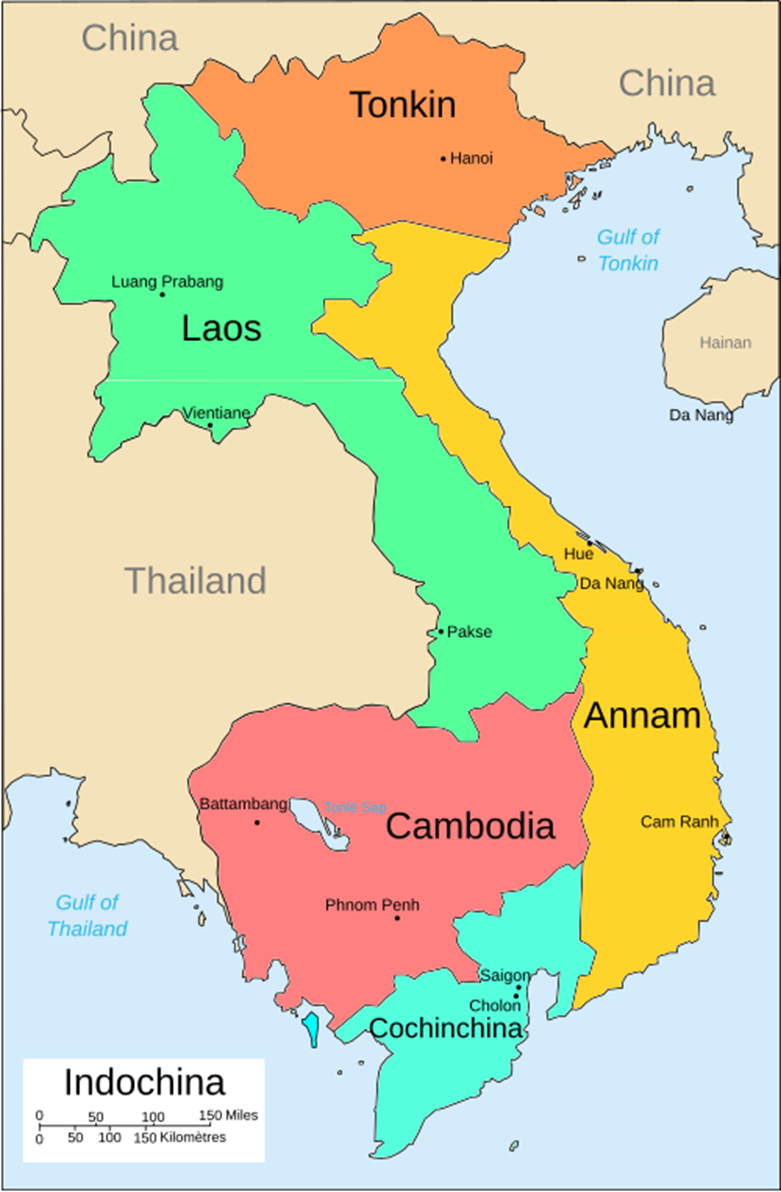
Historically, the Mekong Delta has been a meeting ground for Khmer and Vietnamese cultures. Before the 18th century, much of the Delta was sparsely populated and under the influence of the Khmer kingdom. Known as Kampuchea Krom, or Lower Cambodia, it was home to Khmer-speaking communities who lived along the waterways, practicing wet-rice agriculture and fishing. Over time, waves of Vietnamese settlers moved into the region, encouraged by Vietnamese monarchs seeking to expand into fertile lands. This gradual movement reshaped the cultural landscape of the Delta while leaving behind a significant Khmer minority, who remain there to this day.
The Khmer communities in the Delta preserve their traditions, language, and Theravada Buddhist practices. Their temples, with gilded roofs and intricate carvings, stand out amid the flat expanses of paddy fields. For Cambodia, these communities in the Delta represent ancestral roots and living connections beyond modern borders. They also underline the Delta’s role as a shared cultural space rather than merely the territory of one nation.
Trade and Economic Flow
The Mekong Delta has always been a hub of trade. Its floating markets, where boats laden with fruit, vegetables, and fish gather at dawn, are iconic symbols of river-centered commerce. Goods flow not only within Vietnam but across borders into Cambodia. Phnom Penh, connected via the Bassac River and the Mekong channels, has often relied on the Delta as a route to the South China Sea. Trade in rice, fruits, and fish stocks continues to weave together Cambodian and Vietnamese economies.
Modern infrastructure further highlights this interdependence. Roads, canals, and shipping routes link Ho Chi Minh City with Phnom Penh, transforming the Mekong corridor into one continuous artery of commerce. Cambodian farmers frequently send their goods downriver to markets in the Delta or onward for export via Vietnamese ports. For landlocked regions of Cambodia, the Mekong provides an indispensable outlet to international trade.
Environmental Interdependence
The Mekong Delta faces mounting environmental challenges, which Cambodia shares as a fellow riparian country. Dams upstream, climate change, and rising sea levels are altering the hydrology of the river system. Reduced sediments threaten to erode the Delta’s coastline, while saltwater intrusion impairs rice production. For Cambodia, these same forces manifest as erratic floods, declining fisheries, and threats to communities along the Tonle Sap and Mekong floodplains.
As the waterway binds Cambodia to the Delta, so too do these challenges require cooperation. Cambodian scientists and policymakers increasingly work within regional frameworks such as the Mekong River Commission to address shared ecological concerns. Any disruption in upstream Cambodia reverberates downstream in the Delta, while changes in the Delta—such as increased industrialization or pollution—can flow upstream in political consequences.
Human Stories of the River
Life in the Delta shares striking similarities with Cambodian river culture. Both regions value the waterway as not just a natural resource, but a cultural backbone. Fishers cast their nets at dawn, children learn to swim as soon as they can walk, and festivals mark the seasonal floods when water levels shift dramatically. The Cambodian Water Festival, which celebrates the reversal of the Tonle Sap River, echoes the same cycles that sustain the Mekong Delta’s farmers.
Meanwhile, Cambodian migrants often travel to the Delta for seasonal work. Fields and factories in southern Vietnam depend on this labor force. At the same time, families in the Delta with Khmer ancestry frequently send young monks to Cambodia for religious training, reinforcing bonds of cultural exchange. These stories illustrate how the Mekong River and Delta create not only economic ties but deep currents of human connection.
A Shared Future
Looking ahead, the Mekong Delta and Cambodia’s links are poised to deepen further. Urbanization and industrial development in the Delta will open opportunities for Cambodian exports, while improved transport and navigation networks will make Phnom Penh a more vital inland port. Yet, the region’s future stability rests on how Cambodia, Vietnam, and other Mekong nations manage the river’s finite resources. Cooperation, rather than competition, will be essential.
For Cambodia, the Mekong Delta is not just across the border. It is the end of a long journey that begins in its own heartland, passing through Phnom Penh and the Tonle Sap, sustaining millions along the way. The Cambodian contribution of water, silt, fish, and traditions flows all the way into the Delta. In turn, the Delta extends Cambodia’s presence towards the sea, offering trade and cultural resonance.
The Mekong Delta stands as a reminder that rivers defy political borders. They carry histories, nourish people, and demand stewardship that extends across nations. Cambodia and Vietnam, bound by this lifeline, must see their common destiny in the swirls and currents of the Mekong.