The Tonle Sap River, known in Khmer as ទន្លេសាប (Tonlé Sap), stands as one of Southeast Asia’s most remarkable natural wonders, intricately shaping the physical, social, and spiritual landscapes of Cambodia. While its waters ebb and flow, the Tonle Sap’s significance remains constant — as a vital artery nurturing the rhythms of daily life, a unique ecological system, and a cornerstone of Cambodian identity.

Geography and Hydrology
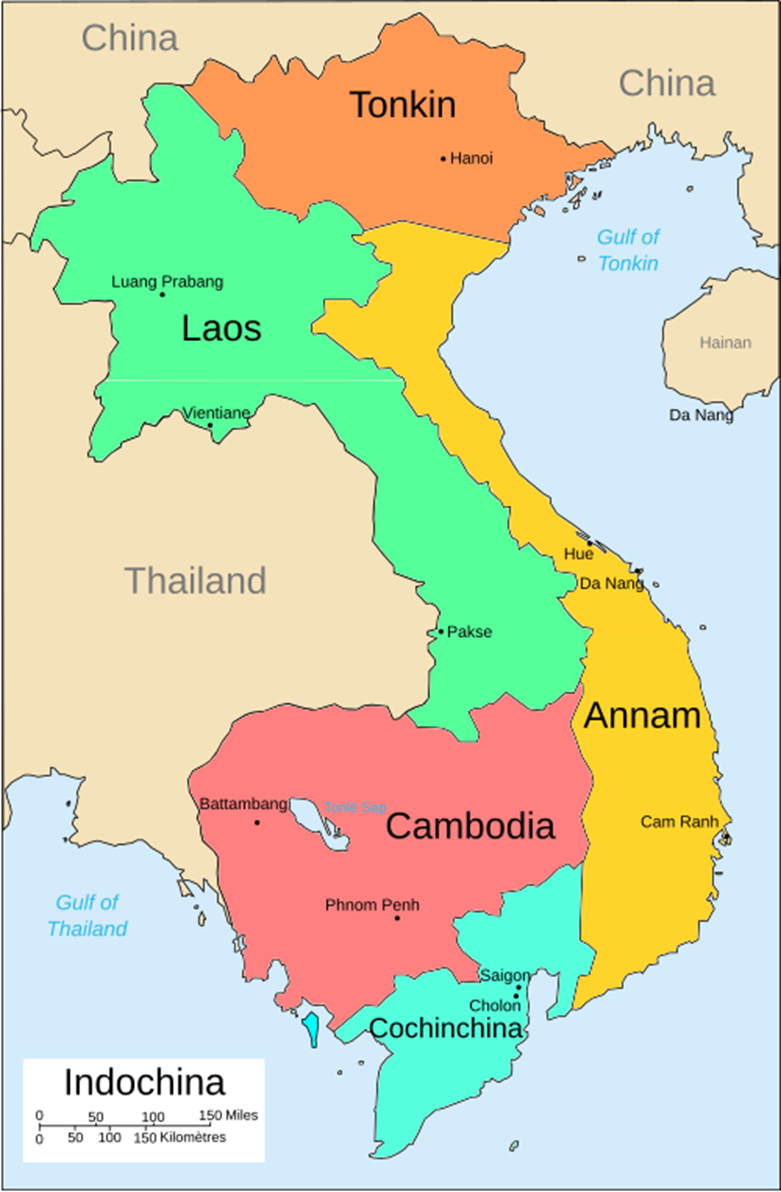
The Tonle Sap River is a natural connector, linking the massive Tonle Sap Lake — the largest freshwater lake in Southeast Asia — with the mighty Mekong River at Phnom Penh, Cambodia’s bustling capital. Unlike most rivers, which flow predictably in one direction, the Tonle Sap River showcases an extraordinary natural phenomenon: it changes direction twice yearly, responding to the shifting monsoon rains.
During the wet season, from May to October, the swollen Mekong forces water upstream into the Tonle Sap River, reversing its flow and flooding the lake, swelling its area from around 2,500km² in the dry season to over 16,000km² at its peak. This creates a vast floodplain, which is a haven for fish and birds, and turns villages on stilts into floating communities. Come the dry season, as the Mekong’s water level drops, the river reverses course, carrying waters from the lake downstream to rejoin the Mekong, and returning the floodplain to dry land. This annual “breathing” of Cambodia’s heart is a cycle thousands of years old, crucial for the country’s ecological and social stability.
Ecological Abundance
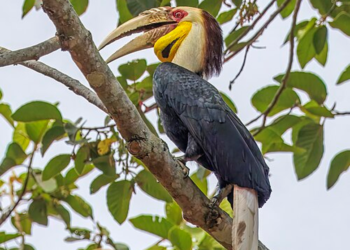
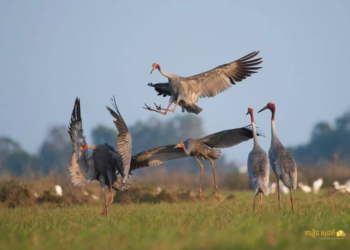
The Tonle Sap system is an ecological treasure trove, boasting a biodiversity unique in Southeast Asia. The alternating flows create vast wetlands and flooded forests that provide breeding grounds for more than 300 fish species, numerous reptiles, and over 150 kinds of water birds, including rare species like the spot-billed pelican and the giant ibis.
The river’s changing waters transport nutrients that fertilize rice paddies and sustain the rich fisheries for which Cambodia is famous. The lake and river together yield about 400,000 tons of fish each year, making Cambodia one of the world’s leading inland fishing nations — a fact so tied to daily sustenance that fish is incorporated into national dishes like prahok and amok, and permeates local folklore and festivals.
Human Settlements and Culture
For millions of Cambodians, the Tonle Sap is more than geography — it’s a home, market, and spiritual axis. Numerous floating and stilted villages line the river and lake, including famous communities like Kompong Phluk, Kompong Khleang, and Chong Khneas. Here, families live in houses anchored to tall stilts or boat-homes, adapting to the waters’ rise and fall with ingenuity.
The Tonle Sap’s cycle underpins rural livelihoods: when waters rise, boats replace bicycles, and fish traps replace plows. Floating schools, pagodas, markets, and clinics drift with the water — an aquatic civilization harmonized with nature’s rhythms. Celebrations such as Bon Om Touk, the Water Festival, honor the river’s moment of reversal each November, with jubilant boat races that attract thousands to Phnom Penh’s riverbanks. The spirit of the river is deeply woven into Cambodian legend and literature, depicted as both a giver and taker — generous in bounty, humbling in flood.
Agricultural and Economic Importance
Beyond fish, the Tonle Sap’s floods replenish the soil, enabling rice cultivation and supporting agricultural diversity along its fertile banks. The surrounding floodplains form Cambodia’s rice bowl, powering food security and export. Crafts, trading, and tourism further anchor the economy — visitors flock to see stilted villages, boat processions, and the unique wetlands, learning how water dictates life’s tempo on the floodplain.
Yet, modern pressures threaten these traditional lifeways. Population growth, overfishing, upstream dam construction, and climate change strain the river’s delicate balance. Concerned Cambodians and international partners are rallying for conservation: legal protections for core biosphere zones, sustainable fishing practices, and educational programs seek to defend the river’s bounty for the next generation.
A Living Symbol
To Cambodia, the Tonle Sap River is not simply a waterway but a mirror of the nation’s endurance and adaptability. Its restless currents glide through Cambodia’s present as they have through its past — watering Angkorian rice fields, sustaining Khmer civilization, and shaping legends as enduring as the floodwaters themselves.
Today, as Cambodia negotiates the tension between tradition and modernity, the Tonle Sap remains at the heart of discussions on sustainable development, community resilience, and national identity. Its fate, inseparable from the lives it nourishes, continues to ripple through Khmer culture, poetry, and aspirations. In every sense, the Tonle Sap’s story is Cambodia’s story: resilient, cyclical, and inextricably bound to the dance of water and people on the fertile plains of the Kingdom of Wonder.