
Pursat province, situated in the western region of Cambodia, is a land of remarkable diversity, both in its physical geography and its cultural tapestry. Covering an area of approximately 12,692 square kilometers, Pursat is the fourth largest province in Cambodia by land mass but ranks fourteenth in population, housing just over 419,000 residents according to the 2019 census. The province offers a mix of rich, historical heritage, natural beauty, economic transition, and ethnic diversity, making it a compelling subject of study and travel.
Geographical Setting
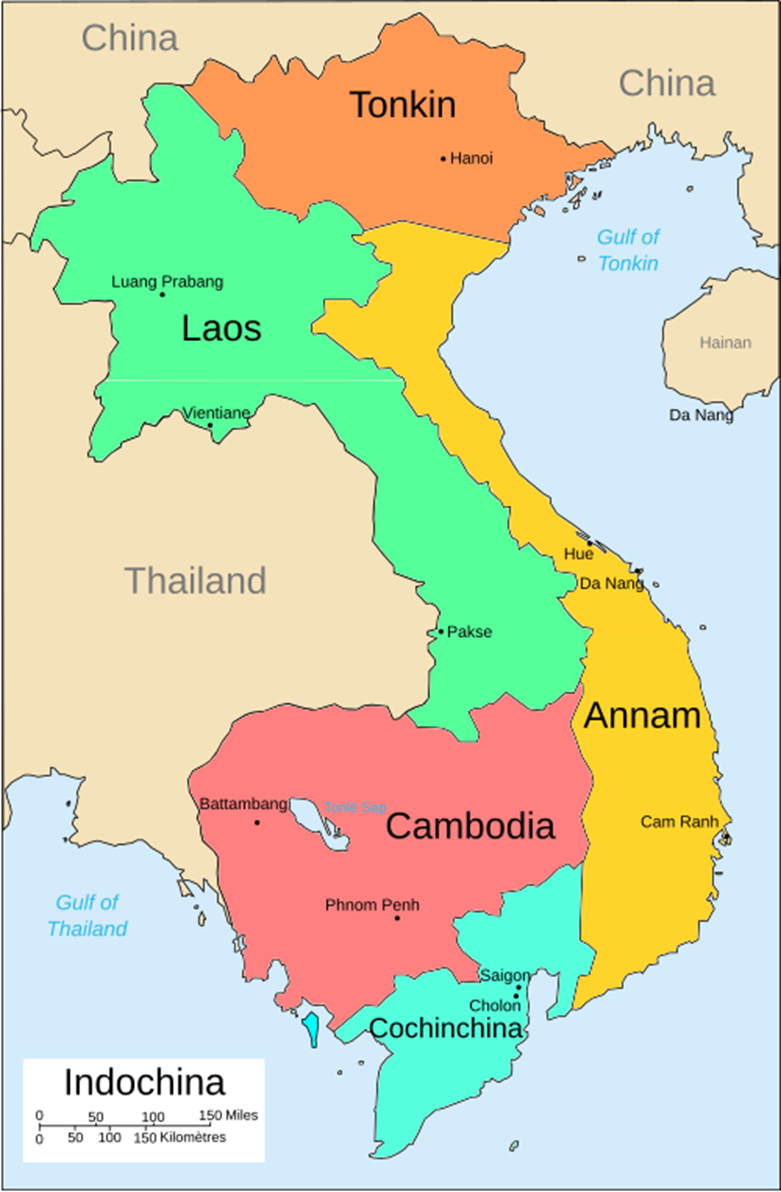
Pursat’s strategic location places it between the Tonle Sap Lake to the east and the majestic Cardamom Mountains to the west and southwest. It is bordered by Battambang province to the north, Kampong Chhnang to the southeast, Kampong Speu to the south, Koh Kong to the southwest, and shares a western boundary with neighboring Thailand. The Pursat River, the province’s main waterway, flows from the Cardamom Mountains to Tonle Sap, bisecting the region and providing lifeblood to agriculture and local communities.
The topography is defined by three distinct geographical regions: densely forested mountains, fertile agricultural plains, and the Tonle Sap basin. The Cardamom Mountains dominate the province’s landscape, with their lush rainforests and high elevations providing a haven for wildlife and supporting the growth of valuable plant species such as Aquilaria, used for agarwood production. The fertile plains around the Pursat River are vital for rice cultivation, the principal economic activity, while the basin areas near Tonle Sap are home to floating villages and diverse aquatic ecosystems.
Demographics and Society
Pursat’s population reflects a blend of ethnic groups: a Khmer majority, alongside Cham Muslims and a minority of Chinese residents. Buddhism is overwhelmingly the main religion, practiced by over 96.9% of the population, with minorities practicing Islam and Christianity. The people of Pursat are known for their warmth and hospitality, and traditional Khmer houses on stilts line the countryside. Despite its size and resources, Pursat remains less densely populated compared to provinces nearer the capital or national border crossings.
History and Administrative Structure
Throughout its history, Pursat has been an integral part of Cambodia’s cultural and political fabric. After the devastation of the Khmer Rouge regime, Pursat, like much of the country, endured a lengthy period of recovery. Recent decades have seen improvements in infrastructure and agriculture, with increasing focus on sustainable development and preserving the natural environment.
Administratively, Pursat is divided into six districts and one municipality — the latter being Pursat City, the provincial capital. The districts are Bakan, Kandieng, Krakor, Phnom Kravanh, Veal Veang, and Talou Senchey. There are 42 communes, 7 sangkats (urban subdistricts), and 526 villages, which collectively foster local governance and community identity.
Economy
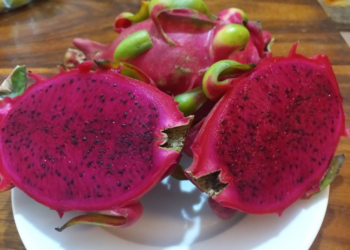
The economic landscape of Pursat is historically dominated by agriculture, particularly rice farming, which benefits from fertile soils and abundant water provided by both the province’s river and innovative irrigation projects. The province is also noted for freshwater fish farming, fruit cultivation, and the bamboo handicraft industry, with bamboo artisans producing furniture and decorative items for local and export markets.
Agarwood production has been especially prominent, as the forests surrounding the Cardamoms are conducive to growing Aquilaria species. In the past, agarwood was harvested extensively — to the point where wild trees became endangered. Today, sustainable cultivation practices and artificial inoculation projects have been initiated to ensure survival of the species and continued economic benefit.
While agriculture remains the central pillar, tourism is emerging as an important sector, thanks in part to Pursat’s pristine environment, ecotourism attractions, and ancient cultural sites. Local markets bustle with traders, and the hospitality industry is gradually adapting to the needs of both domestic and rising international tourism.
Transportation
Pursat is accessible via several major routes: National Highway 5, the national railway, boat services on the Tonle Sap, and various smaller roads. Its capital, Pursat town, is about 174 kilometers northwest of Phnom Penh and serves as a key rest stop for travelers heading to Battambang or Thailand. For cross-border movement, the Thmor Da checkpoint acts as the main port of entry from Thailand, with other regional checkpoints supporting local trade.
Natural and Cultural Attractions
Pursat’s physical and cultural landscape is dotted with sites of interest:
- Cardamom Mountains: Renowned for biodiversity, hiking, and conservation activities, the mountains are also home to several waterfalls and wildlife species unique to the region.
- Tonle Sap Floating Villages: Kampong Luong and Pka Ka are examples of unique communities built atop the water, showcasing traditional ways of life tied to Cambodia’s largest lake.
- Bak Tra Resort: A tranquil spot for visitors seeking recreation and relaxation.
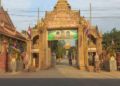
- Wat Bakan: Considered among Cambodia’s oldest active pagodas, revered as a holy site of Cambodian Buddhism.
- Chrok La Eang Waterfall: A scenic destination for nature lovers and those seeking respite from the heat.
- Bamboo Markets: Demonstrating the province’s reputation for quality handicrafts.
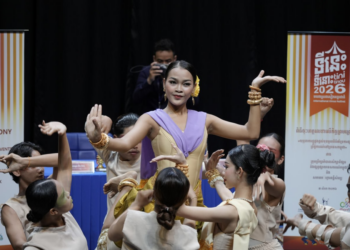
Cultural festivals, such as the annual River Run Race along the Pursat River, draw attention to the province’s community spirit and active lifestyle offerings. Traditional Khmer music, dance, and crafts thrive alongside Buddhist practices and historic temple festivals.
Climate
Pursat’s climate is tropical, featuring a wet season from May to October and a dry season from November to April. The wet season nourishes rice fields and forests, while the dry season with its sunny skies is optimal for tourism and outdoor activities. Temperatures remain warm year-round, emphasizing the need for heat- and rain-appropriate preparation for visitors.
Contemporary Development and Challenges
While steadily developing, Pursat faces challenges related to balancing economic growth with environmental preservation. Deforestation, overfishing in the Tonle Sap, and the threat of unsustainable agricultural practices are ongoing concerns. Recent years have seen a rise in investments — such as Chinese-funded development in Thmada village — and infrastructural improvements aiming to improve water supply, connectivity, and living standards.
Sustainable initiatives are rising in prominence, particularly in relation to the conservation of the Cardamom Mountains and the maintenance of the Tonle Sap’s fragile ecosystem. These measures are vital to protect biodiversity, ensure the livelihoods of local populations, and foster responsible tourism.
Significance and Identity
What makes Pursat uniquely significant among Cambodian provinces is its harmonious convergence of natural wonders, historical depth, and cultural resilience. It is a birthplace of legends — linked to mythical guardians such as the neak ta of Khleang Moeung — and continues to serve as a repository of Khmer heritage and aspiration.
Despite being overshadowed by more famous neighbors like Siem Reap or Battambang, Pursat’s blend of untamed wilderness, authentic rural life, and historical treasures renders it a “hidden gem” for discovery and understanding the broader Cambodian narrative.
In summary, Pursat province stands as a crossroads of geography, culture, and economic potential — shaped by rivers and mountains, enriched by tradition and ingenuity, and challenged to strike an enduring balance between prosperity and preservation. For travelers, scholars, and citizens alike, its ongoing story amplifies Cambodia’s remarkable diversity and enduring spirit.