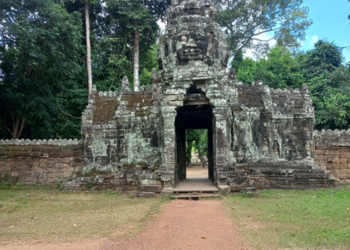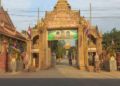

Tucked away on the eastern edge of the Angkor Archaeological Park in Cambodia, Banteay Samre Temple (ប្រាសាទបន្ទាយសម្រែ) stands as a testament to the architectural sophistication, rich culture, and spiritual devotion of the ancient Khmer Empire in the 12th century. Although it draws fewer visitors than the world-famous Angkor Wat, Banteay Samre’s serene atmosphere, intricate carvings, and remarkably complete restoration provide an unforgettable journey into Cambodia’s glorious past.
Historical Background
Origins and Construction
Banteay Samre was constructed between the reigns of King Suryavarman II and King Yasovarman II, placing its creation somewhere in the early to mid-12th century. This period is widely considered the golden age of Khmer architecture, producing masterpieces like Angkor Wat itself.
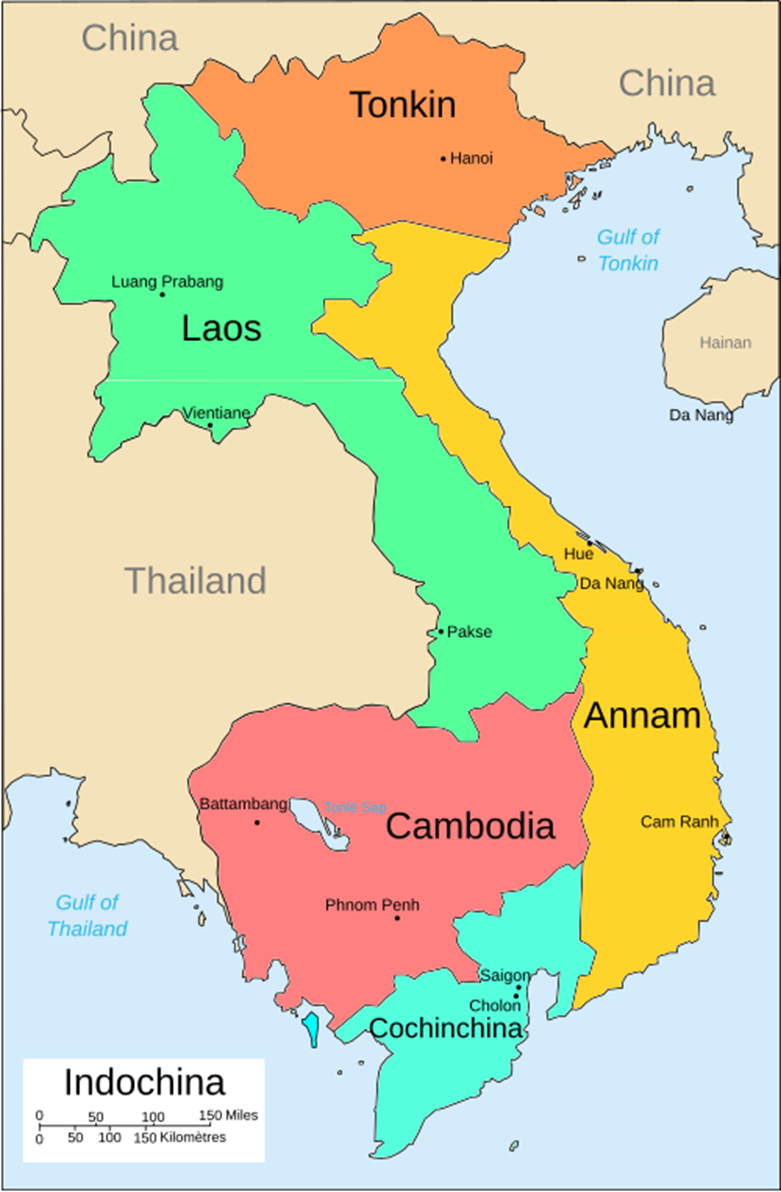
The temple’s name honors the Samré, an ancient people indigenous to the Indochina region, though historical records about them are sparse. The temple’s foundation and patron are not documented in inscriptions, leaving many details lost to time, but stylistic and architectural evidence strongly suggest commission by a high official of the royal court.
Restoration and Rediscovery
Over the centuries, Banteay Samre, like many Angkorian temples, was overtaken by the jungle and abandoned, particularly after the 16th century. Its modern resurrection is owed to Maurice Glaize, a French archaeologist who spearheaded an extensive restoration project from 1936 to 1944, restoring the temple to near its original splendor.
During the turmoil of the Khmer Rouge era, Banteay Samre faced looting and neglect, but significant efforts in recent decades have preserved its unique features.
The Legend of the Cucumber King
Among local folklore, Banteay Samre is famous for the colorful “Legend of the Cucumber King.” According to the story, a humble farmer who grew the region’s most delicious cucumbers was commanded by the king to protect his crops fiercely. One night, the king himself snuck in for a taste and was killed by the unwitting farmer. With no heir to the throne, the royal elephant was sent to choose the new ruler; it singled out the farmer, who then moved his residence from the palace to Banteay Samre.
While likely an allegory rather than history, this legend weaves local spirit into the monument’s already intriguing narrative.
Architectural Marvel
Style and Layout
Banteay Samre is an exquisite example of Angkor Wat style architecture. Some even refer to it as the “miniature Angkor Wat” thanks to its harmonious proportions and refined artistic details. The temple is constructed from the same materials found at Banteay Srei, primarily a hard red sandstone that holds its carvings in sharp relief.
The temple’s plan features:
- Central Sanctuary: A single ogival (curved) tower perched above the shrine, symbolizing Mount Meru.
- Mandapa (Entrance Hall): Connected to the shrine by an “antarala” (vestibule).
- Two Libraries: Flanking the main sanctuary, these are architectural signatures of temples from this period.
- Double Enclosure Walls: Two concentric enclosures surround the ensemble, with the inner wall featuring gateways (“gopuras”) at each cardinal point.
- Imposing Causeways: The temple can be approached from the east by an elegant 200-meter raised causeway, leading to the main entrance. On the west, a 350-meter avenue leads from the dry East Baray, suggesting the temple once lay at the heart of a thriving ancient town.
Decorative Elements
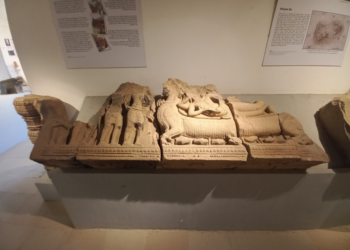
The highlight of Banteay Samre lies in the rich detail of its lintels, pediments, and base moldings. Visitors are treated to beautifully preserved carvings depicting Hindu epics like the fight between Rama and the ten-headed Ravana (Ramayana), as well as scenes featuring Vishnu, Krishna, Indra, Hanuman, and other deities from Indian mythology.
While originally dedicated to Vishnu, the temple’s art absorbs Buddhist images as well, reflecting the shifting religious landscape of the Khmer Empire. Many Buddhist carvings were destroyed during the 13th-century purges under Jayavarman VIII, but enough survive to bear witness to the temple’s multi-faith history.
Resemblance and Influence
Architecturally, Banteay Samre bears similarities to the temples of Phimai in present-day Thailand, exemplifying the cross-border reach of the Khmer civilization. Its relatively compact layout and enclosure echo the “mountain-temple” symbolism prevalent in Angkorian religious design.
Visiting Experience
Getting There and Atmosphere
Located approximately 19 km from Siem Reap and about 10 km northeast of Angkor Wat, Banteay Samre enjoys a more secluded setting, making it a wonderful escape from the tourist crowds. The tranquility and near-absence of visitors create ideal conditions for thoughtful exploration and photography.
The main entrance remains the impressive eastern causeway, but visitors often use the northern gate. The temple grounds are lush and peaceful, lending an almost mystical ambiance, especially in the soft morning or late afternoon light.
What to See
- Causeways: Walk the raised avenues to appreciate their symmetry and stone guardians.
- Ornate Pediments: Look for narrative reliefs depicting gods, battles, and mythical beings.
- Central Shrine and Mandapa: Admire the surviving statues and sarcophagus.
- Libraries: Marvel at the preservation and decorative motifs.
Many visitors include Banteay Samre on an expanded Angkor itinerary, typically paired with Banteay Srei, Phnom Kulen, or rural attractions like the Landmine Museum and Butterfly Centre.
Spiritual and Cultural Significance
Banteay Samre is more than a relic; it is a living symbol of Khmer spirituality and the kingdom’s rich blend of Hindu and Buddhist traditions. Rituals, processions, and royal ceremonies once enlivened its hallways and courtyards. Today, the temple embodies the values, beliefs, and craftsmanship of a complex, vibrant civilization.
The site also demonstrates the adaptability and resilience of ancient Cambodian culture, having weathered abandonment, rediscovery, and painstaking restoration.
Practical Information for Visitors
- Opening Hours: Generally, 6:00 AM – 6:30 PM (subject to seasonal changes).
- Tickets: Entry is included in the Angkor Pass, available at the main checkpoint.
- Transport: Accessible by tuk-tuk, taxi, or bicycle from Siem Reap. The journey takes about 30 minutes by road.
- Amenities: Basic facilities and refreshments are available near the eastern entrance.
- Best Time to Visit: Mornings or late afternoons are ideal due to cooler temperatures and beautiful, soft lighting for photography.
Conservation and Legacy
The meticulous restoration by Maurice Glaize in the 20th century returned Banteay Samre to its former glory, preserving the detailed artistry that serves as a reference for Khmer architectural study today. Although some damage and looting occurred during tumultuous periods, the temple remains remarkably intact, celebrating the skill of its original builders and modern conservationists alike.
Banteay Samre Temple is a captivating yet often overlooked jewel in Cambodia’s crown of ancient wonders. Its quiet majesty, harmonious proportions, and sculptural detail provide a deeply moving experience for those who seek to understand the Khmer Empire’s spirit and artistry. Whether you are a history buff, architecture enthusiast, or a spiritual traveler, Banteay Samre invites you to walk its storied halls and contemplate the grandeur of a civilization that still reverberates through Cambodia’s lush countryside.