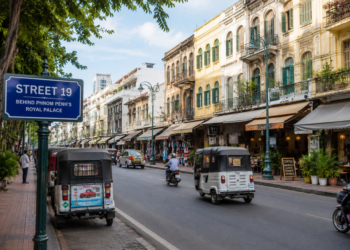

Calmette Hospital (Hôpital Calmette, មន្ទីរពេទ្យកាល់ម៉ែត), located in the heart of Phnom Penh, Cambodia’s bustling capital, stands as one of the country’s most important medical institutions. With a long history of service, the hospital has played a critical role in providing healthcare to the Cambodian population, training medical professionals, and advancing medical practices in the country. Its name, architecture, and evolution reflect Cambodia’s complex history, from colonial times through post-independence development and into the modern era.
Historical Background
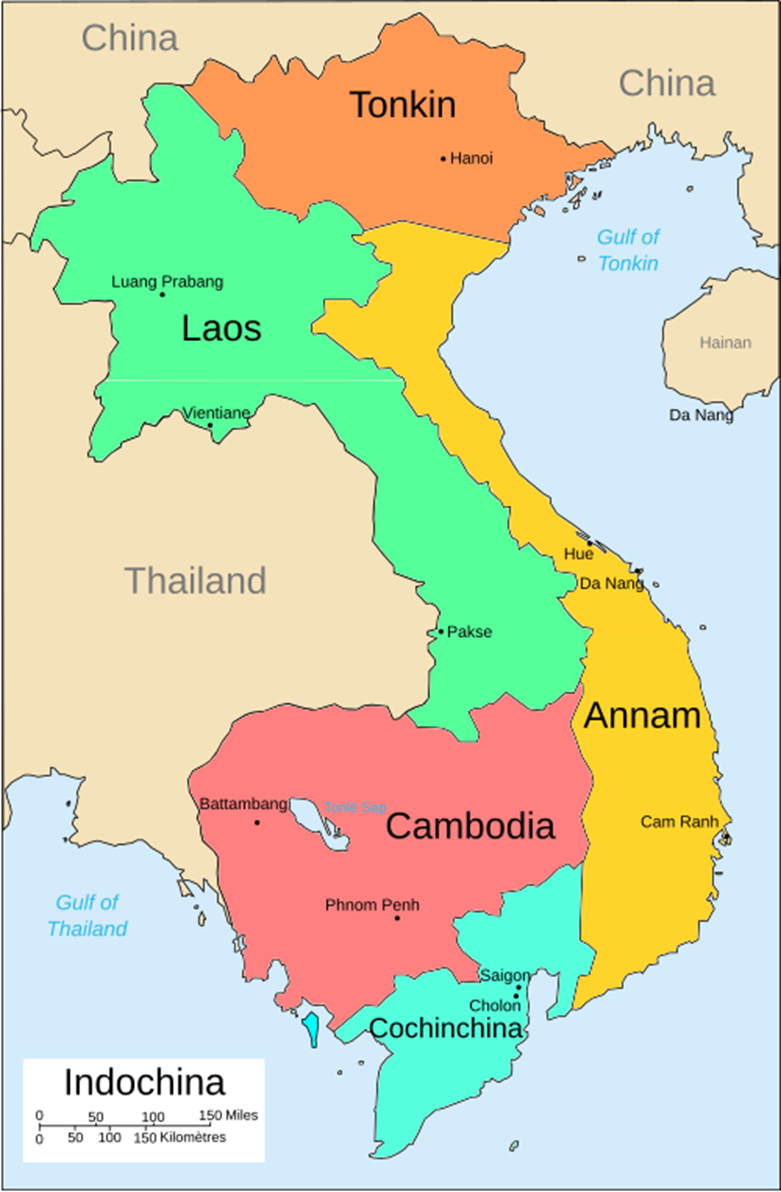
Calmette Hospital was established during the French colonial period, and its name honors Albert Calmette, a renowned French physician, bacteriologist, and immunologist best known for co-developing the Bacillus Calmette–Guérin (BCG) vaccine for tuberculosis. The hospital’s foundation can be traced back to the early 20th century, at a time when the French administration sought to build healthcare infrastructure in its colonies to combat diseases and serve both the local and expatriate populations.
Originally a small colonial hospital, Calmette Hospital expanded its services over the decades, weathering Cambodia’s turbulent 20th century history, including the Khmer Rouge era and subsequent years of recovery. After the fall of the Khmer Rouge regime, the hospital was restored and supported by both the Cambodian government and international donors, including France, to help rebuild Cambodia’s shattered healthcare system.
Location and Infrastructure
Calmette Hospital is strategically located along Monivong Boulevard, one of Phnom Penh’s major arteries. This central location makes it accessible to a large segment of the population and facilitates rapid transportation of patients, especially in emergencies.
The hospital’s campus includes several main buildings housing inpatient wards, operating theaters, outpatient clinics, laboratories, and administrative offices. While some parts of the infrastructure date back decades, the hospital has undergone significant renovations and upgrades in recent years. New wings and modern equipment have been added to improve patient care and medical outcomes. The architecture blends colonial-era structures with newer, functional facilities designed to handle the growing needs of the city’s population.
Medical Services
As a general hospital, Calmette Hospital provides a wide range of services, from primary care to specialized treatments. Some of its key departments include:
* Emergency Department: Calmette is widely regarded as Phnom Penh’s leading emergency hospital. Its accident and emergency unit handles trauma cases, traffic accidents, acute medical conditions, and other urgent situations 24 hours a day. The hospital is often the first stop for victims of serious accidents, given its central location and the expertise of its staff.
* Surgery: Calmette offers a variety of surgical services, including general surgery, orthopedics, neurosurgery, urology, and cardiovascular surgery. The hospital’s surgical teams have developed experience in managing complex cases, often referred from smaller hospitals and provincial clinics.
* Internal Medicine: The internal medicine department treats patients with conditions such as diabetes, hypertension, infectious diseases, and gastrointestinal issues. The hospital is also a referral center for tuberculosis and HIV/AIDS care.
* Intensive Care Unit (ICU): Calmette’s ICU provides critical care for severely ill patients. It is one of the better-equipped ICUs in the public healthcare sector in Cambodia.
* Outpatient Services: The hospital operates outpatient clinics for both general and specialist consultations. Patients can access care for chronic conditions, follow-up visits, and diagnostic services.
* Diagnostic and Laboratory Services: Calmette Hospital has modern diagnostic equipment, including X-ray, ultrasound, CT scan, and laboratory testing facilities. This capacity makes it a referral center for advanced diagnostics.
* Pharmacy: The hospital pharmacy provides essential medicines at affordable prices, supporting government efforts to ensure access to treatment for low-income populations.
Education and Training
Beyond patient care, Calmette Hospital plays a significant role in medical education and training. It serves as a teaching hospital affiliated with the University of Health Sciences (Université des Sciences de la Santé) in Phnom Penh. Medical students, interns, and residents receive hands-on training in various departments, supervised by experienced Cambodian and foreign doctors.
Calmette is also a site for continuing medical education, hosting workshops, seminars, and training sessions to help healthcare professionals stay up to date with advances in medicine. This educational mission is crucial in a country where the healthcare system is still rebuilding capacity after years of disruption.
International Collaboration
Calmette Hospital has benefitted from long-standing support from France and other international partners. French government assistance has helped fund medical equipment, renovations, and technical assistance projects over the years. French physicians and specialists frequently collaborate with their Cambodian counterparts at Calmette to provide training and mentorship.
Additionally, international non-governmental organizations and aid agencies have supported the hospital’s development, particularly in areas like trauma care, infection control, and public health.
Challenges
Despite its status as one of Cambodia’s leading hospitals, Calmette Hospital faces many challenges. Like other public hospitals in Cambodia, it operates with limited resources relative to the healthcare demands of a growing urban population. Equipment shortages, high patient volumes, and staff workload are persistent issues.
Affordability remains a concern for many Cambodians seeking care. While public hospitals like Calmette are generally more affordable than private facilities, out-of-pocket payments are still common, and many low-income patients struggle to cover even modest hospital fees.
Another challenge is the retention of skilled medical professionals. Talented doctors and nurses are sometimes drawn to higher-paying jobs in the private sector or overseas, creating a gap in public healthcare expertise.
Role During the COVID-19 Pandemic
Calmette Hospital played a vital role during the COVID-19 pandemic in Cambodia. As one of the designated facilities for managing COVID-19 patients, it handled cases requiring hospitalization and intensive care. The hospital also contributed to testing efforts and public health responses, coordinating with the Ministry of Health and international health agencies to combat the virus.
Future Development
Looking ahead, Calmette Hospital continues to seek ways to modernize its services and infrastructure. Plans for further upgrades, expanded ICU capacity, and advanced medical equipment are part of the hospital’s development strategy. With support from the government and international partners, Calmette aims to strengthen its role as a center of excellence in emergency care, surgery, and medical training.
The hospital is also exploring partnerships to improve digital health solutions, such as telemedicine and electronic health records, to better serve patients and improve operational efficiency.
Calmette Hospital remains a cornerstone of healthcare in Phnom Penh, providing essential services to thousands of patients every year. Its history reflects the resilience of Cambodia’s healthcare system, and its ongoing work highlights the challenges and opportunities in improving health outcomes in the country. As Phnom Penh grows and changes, Calmette Hospital’s commitment to serving the community remains steadfast, making it a vital institution for Cambodia’s present and future.