
Introduction
The border conflict between Thailand and Cambodia is a long-standing territorial dispute centered primarily around the Preah Vihear Temple (ប្រាសាទព្រះវិហារ) (known as Phra Viharn in Thailand) and surrounding areas. This conflict has deep historical roots, stemming from colonial-era treaties, competing nationalist narratives, and unresolved boundary demarcations. Over the years, tensions have occasionally escalated into armed clashes, affecting diplomatic relations and regional stability. This essay explores the historical background, key causes, major incidents, and potential resolutions of the Thailand-Cambodia border conflict.
Historical Background
Colonial Legacy and the 1907 Treaty
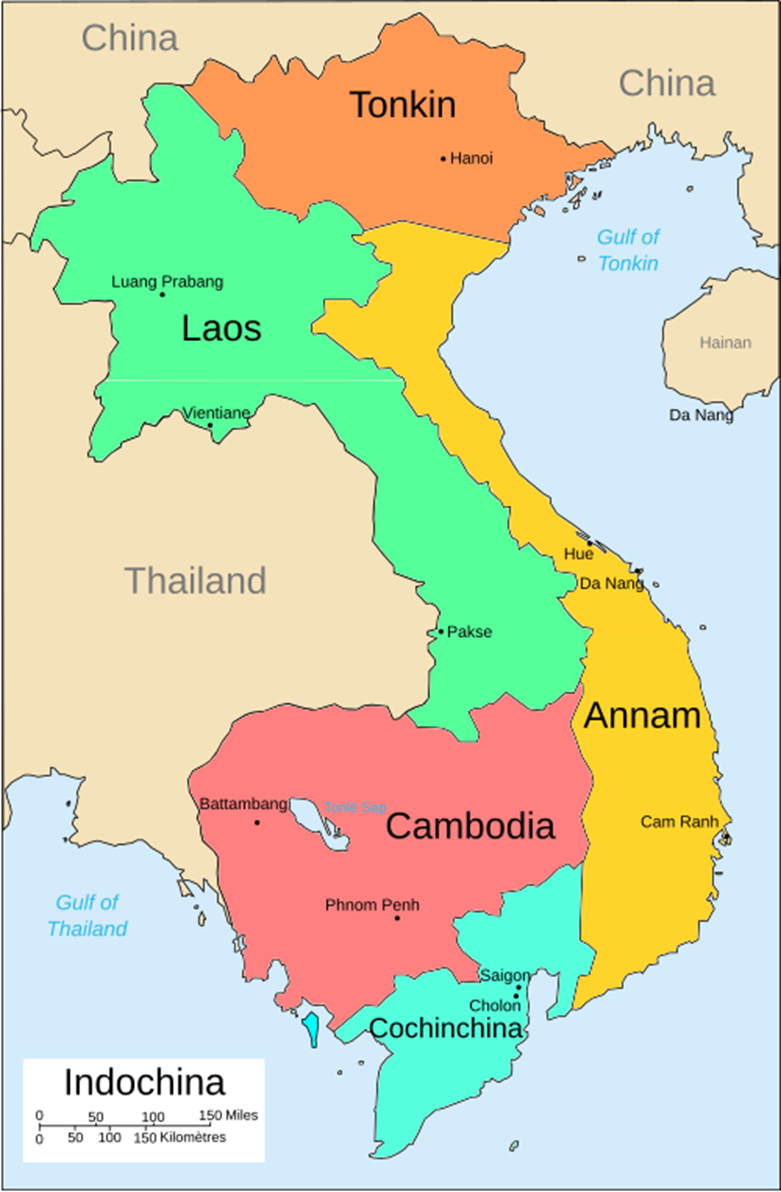
The origins of the dispute date back to the early 20th century when Cambodia was a French protectorate, and Thailand (then Siam) was an independent kingdom. In 1907, France and Siam signed a treaty that defined the border between Cambodia and Thailand, placing Preah Vihear Temple under Cambodian control based on a map drawn by French surveyors. However, Thailand later contested this demarcation, arguing that the map did not accurately reflect the watershed line, which was supposed to be the natural boundary.
The 1962 ICJ Ruling
In 1959, Cambodia brought the case to the International Court of Justice (ICJ), seeking recognition of its sovereignty over Preah Vihear. In 1962, the ICJ ruled in Cambodia’s favor, stating that the 1907 map was legally binding and that Thailand had not previously objected to it. Thailand reluctantly accepted the decision but continued to dispute the surrounding land, as the ruling did not clearly define the temple’s adjacent territory.
Causes of the Conflict
1. Unclear Boundary Demarcation
The primary issue is the lack of a mutually agreed-upon border in the area near Preah Vihear. While the temple itself was awarded to Cambodia, the 4.6 square kilometers of land around it remain contested. Both countries have different interpretations of where the exact boundary lies.
2. Nationalism and Domestic Politics
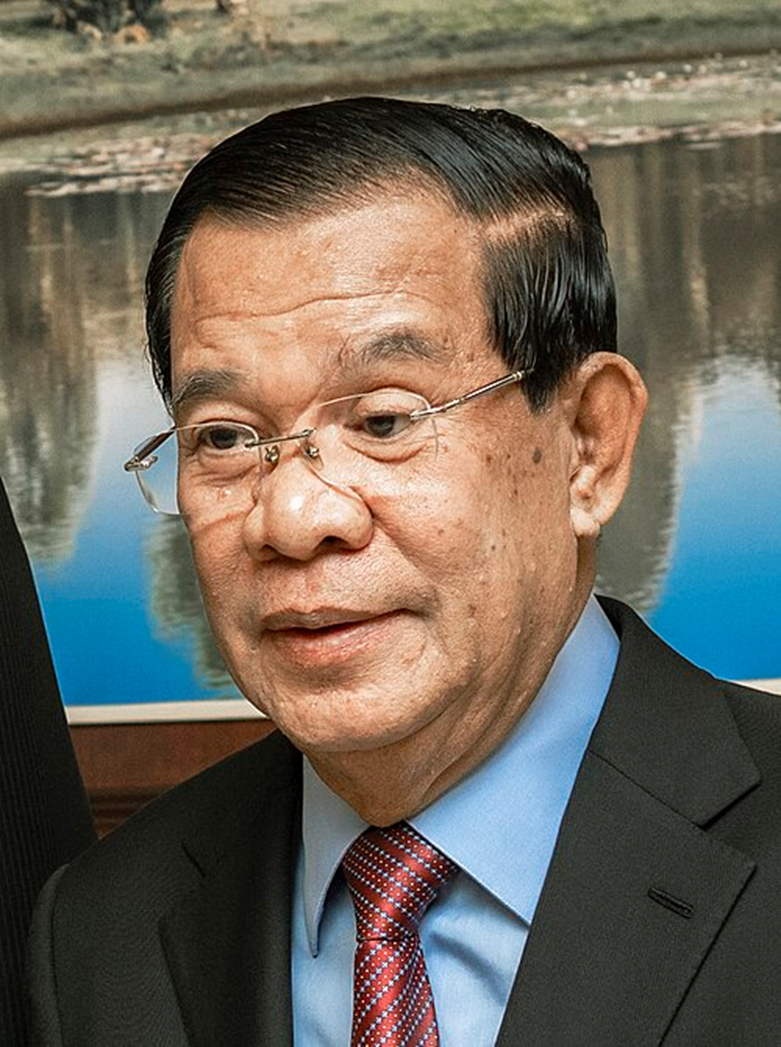
Domestic politics in both Thailand and Cambodia have fueled the conflict. In Thailand, nationalist groups and the military have used the issue to rally public support, particularly during times of political instability. Similarly, Cambodian leaders, including former Prime Minister Hun Sen, have leveraged the dispute to strengthen their nationalist credentials.
3. Economic and Strategic Interests
The disputed area holds strategic and economic significance. Preah Vihear is a UNESCO World Heritage Site, attracting tourism revenue. Additionally, the surrounding region may have untapped natural resources, further incentivizing both nations to assert control.
4. Military Posturing
Both countries have stationed troops near the border, leading to occasional skirmishes. Military confrontations have been triggered by perceived encroachments or construction activities by either side.
Major Incidents and Escalations
1. 2008 UNESCO Listing and Subsequent Clashes
In 2008, Cambodia successfully petitioned UNESCO to list Preah Vihear as a World Heritage Site. Thailand opposed this move, arguing that the area around the temple was still disputed. This led to a military standoff, with troops from both sides occupying positions near the temple. Sporadic clashes occurred between 2008 and 2011, resulting in dozens of deaths and displacements of civilians.
2. 2011 Fighting and ICJ Intervention
In 2011, heavy fighting broke out near Preah Vihear and other border areas, including the Ta Moan and Ta Krabey temples. Artillery exchanges caused civilian casualties and damaged the ancient temple complex. Cambodia again appealed to the ICJ, requesting an interpretation of the 1962 ruling. In 2013, the ICJ reaffirmed Cambodia’s sovereignty over Preah Vihear and ordered both sides to withdraw military personnel from a provisional demilitarized zone.
3. Recent Developments
While large-scale clashes have decreased since 2013, tensions persist. Both countries have engaged in joint border demarcation efforts, but progress has been slow due to political changes in Thailand and Cambodia’s reluctance to compromise on sovereignty.
Potential Resolutions and Challenges
1. Diplomatic Negotiations
Direct bilateral talks remain the most viable solution. Thailand and Cambodia have established joint border committees, but mistrust and domestic pressures hinder progress. Confidence-building measures, such as cultural exchanges and economic cooperation, could ease tensions.
2. International Mediation
ASEAN has played a limited role in mediating the conflict, as both countries prefer bilateral resolution. However, third-party mediation (e.g., by the UN or neutral ASEAN members) could facilitate dialogue.
3. Economic Cooperation
Joint development initiatives, such as shared tourism management or resource exploration, could transform the disputed area into a zone of cooperation rather than conflict.
4. Legal Clarification
A final, mutually accepted demarcation of the border—possibly with ICJ assistance—would provide long-term clarity. However, both nations must be willing to compromise.
The Thailand-Cambodia border conflict is a complex issue rooted in history, nationalism, and unresolved territorial claims. While the 1962 ICJ ruling settled the status of Preah Vihear Temple, the surrounding area remains contested, leading to periodic military clashes. Sustainable resolution requires diplomatic engagement, economic cooperation, and a commitment to peaceful dialogue. Until then, the border dispute will remain a potential flashpoint in Southeast Asia.