
The Cambodia river prawn, known locally as « bang-kang » (បង្កង), is a freshwater giant river prawn (Macrobrachium rosenbergii) found predominantly in the rivers and tributaries of Cambodia, particularly the Mekong and Tonle Sap rivers. It is not only a cherished culinary delicacy but also a species of economic importance in the region. Revered for its succulent meat, impressive size, and cultural significance, the river prawn plays a crucial role in both the livelihoods of Cambodian fishing communities and the country’s gastronomic identity.
Ecological Role
The river prawn thrives in the warm, nutrient-rich waters of Cambodia’s vast river systems. These prawns are naturally omnivorous, feeding on plankton, detritus, and small aquatic animals, which helps maintain a balanced ecosystem. During the rainy season, when the Mekong River swells and floods the surrounding lowlands, prawns move into flooded forests and rice paddies to spawn and feed. These seasonal migrations are vital for the life cycle of the species and also for sustaining local fisheries.
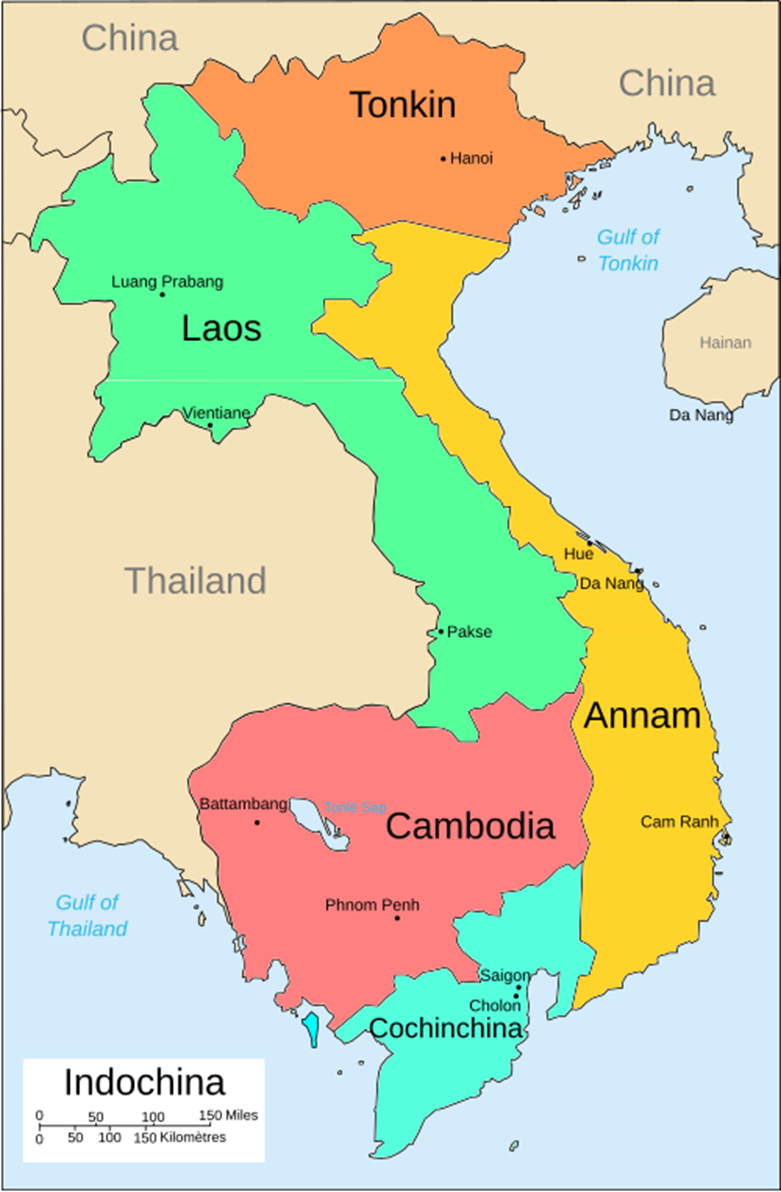
Tonle Sap Lake, the largest freshwater lake in Southeast Asia, is particularly important for the reproduction of river prawns. The lake’s water level rises and falls dramatically each year, creating an ideal breeding ground. As water levels rise in the wet season, prawns spread across the floodplains; when the water recedes, they return to the main channels, where they are caught by local fishers.
Economic Significance
River prawns are a valuable source of income for many Cambodians. Small-scale fishers rely on catching prawns for both subsistence and commercial purposes. The prawn harvest peaks during the dry season when water levels drop and prawns become more concentrated in the rivers. In addition to wild harvesting, prawn farming has seen growing interest in Cambodia, particularly in areas close to Phnom Penh and the Mekong Delta.
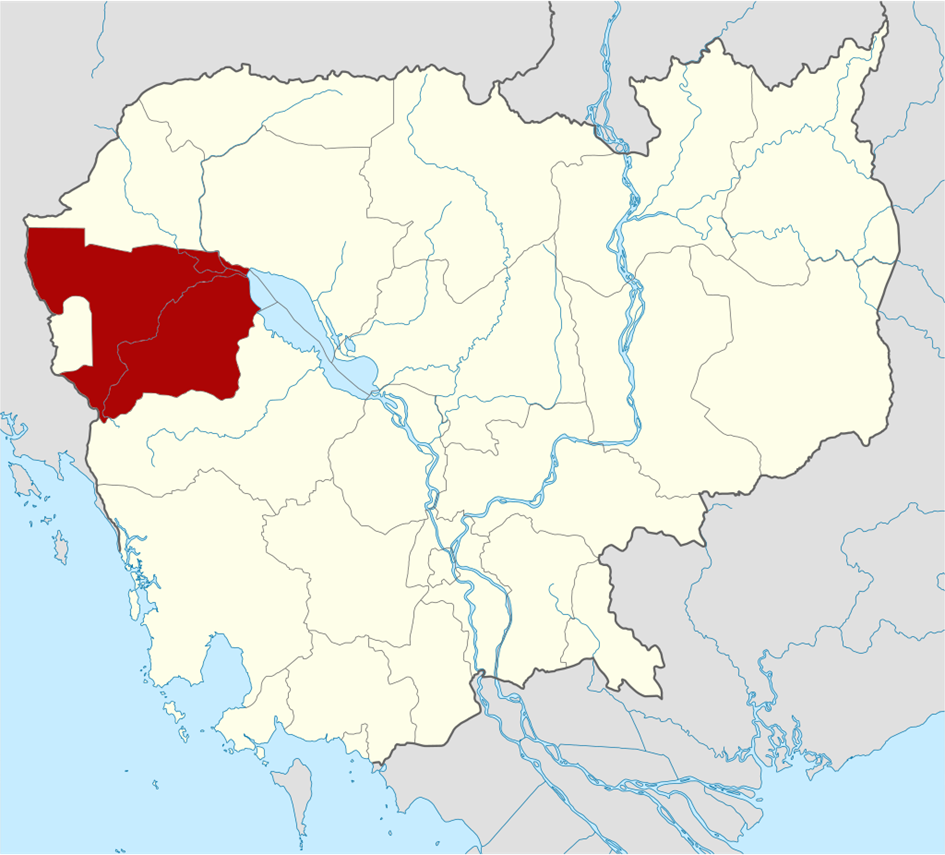
Today, river prawns are mainly farmed in Takeo province, and many Takeo restaurants are renowned for their river prawn dishes.
The prawns are sold fresh in local markets and are a common offering in Cambodian restaurants. Due to their high market value, river prawns also contribute to Cambodia’s export economy, with regional markets such as Thailand and Vietnam being key destinations.
However, this economic reliance brings with it challenges. Overfishing, pollution, and dam construction on the Mekong and its tributaries pose serious threats to the prawn population. Conservation efforts and sustainable fishing practices are crucial to ensuring the long-term viability of both the prawn population and the livelihoods of those who depend on it.
Culinary Importance
River prawns hold a special place in Cambodian cuisine. With their firm texture and sweet, delicate flavor, they are considered a premium ingredient. They are commonly grilled over charcoal and served with a traditional Cambodian dipping sauce made from lime juice, garlic, salt, sugar, and crushed pepper. The simplicity of the preparation highlights the natural flavor of the prawns.
Festivals and local celebrations often feature river prawns as a centerpiece, particularly during the Cambodian New Year and the Water Festival, which celebrates the changing direction of the Tonle Sap River’s flow. The prawn, in this context, becomes more than food; it becomes a symbol of abundance and natural harmony.
The Cambodia river prawn is far more than just a seafood delicacy—it is a vital part of Cambodia’s ecology, economy, and culture. Its presence in the country’s rivers reflects the health of natural ecosystems, and its role in the diet and economy underscores its broader importance. Sustainable management and conservation will be key to preserving this national treasure for future generations, ensuring that it continues to nourish both body and spirit in Cambodia.