The Kantha Bopha (or Kuntha Bopha) hospitals (Khmer: មន្ទីរពេទ្យគន្ធបុប្ផា) are a uniquely impactful network of pediatric hospitals in Cambodia, providing free, high-quality care to millions of children and mothers for over three decades. This article explores their founding, principles, operations, locations, and the monumental legacy left by Dr. Beat Richner.

Origins and Founding Vision
The first Kantha Bopha hospital was founded in 1992 by Swiss pediatrician Dr. Beat Richner. Named after King Norodom Sihanouk’s beloved daughter, Kantha Bopha, who died of leukemia at age three, the hospital was rebuilt in post-war Cambodia to serve the country’s urgent need for child health services. Dr. Richner had previously worked in Cambodia with the Swiss Red Cross in the 1970s, but had to leave during the Khmer Rouge era. He returned decades later, called by the government and the king, to rebuild what conflict had destroyed.
Initially, Kantha Bopha I opened with enormous challenges: doctors were scarce, infrastructure was poor, and poverty was widespread. The need was so great that soon, Dr. Richner and his team established more branches. Kantha Bopha II followed in 1996, built in the gardens of the Royal Palace in Phnom Penh. Then came Kantha Bopha III, also known as the Jayavarman VII Hospital, in Siem Reap near Angkor Wat in 1999, with further facilities opened in the years that followed.
Mission and Core Principles
Kantha Bopha hospitals operate on clear and unwavering principles. Their most distinctive feature is that all care is provided entirely free of charge, regardless of a patient’s ability to pay—an important factor in a country where most families lack resources for health care. The hospitals accept and treat any child in need, and the same standards apply to all. There is a strict ban on corruption: staff receive decent salaries, medication is strictly monitored, and no bribes or under-the-table payments are tolerated. This zero-tolerance policy is key to the hospitals’ credibility and effectiveness.
Local employment is core to their model: all 2,600 employees are Cambodian, including doctors, nurses, and support staff. Kantha Bopha serves not only as a hospital but also as a training institution, offering practical experience and university instruction for Cambodian medical students and professionals. Many leading pediatricians in Cambodia have passed through Kantha Bopha’s ranks.
Locations of Kantha Bopha Hospitals
There are five Kantha Bopha hospitals, strategically located so that they are accessible to families across Cambodia:
Phnom Penh:
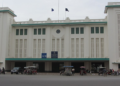
- Kantha Bopha I Children’s Hospital: Oknha Hing Penn (St. 61), corner of Phsar Dek (St. 88), Phnom Penh.
- Kantha Bopha II Children’s Hospital: Oknha Chun (St. 240), Kantha Bopha I Children’s Hospital Annex, Phnom Penh.
- Kantha Bopha IV Children’s Hospitals: Street 90, near corner Street 47, Phnom Penh.
Siem Reap:
- Jayavarman VII (Kantha Bopha III) Children’s Hospital: Charles de Gaulle Street, Trapeang Ses Village, Sangkat Kork Chak, Siem Reap City.
- Kantha Bopha V and the maternity unit (Siem Reap): These are co-located at or near the Jayavarman VII campus, with auxiliary facilities nearby.
These locations form the backbone of Cambodia’s pediatric health system, ensuring free, lifesaving care is accessible both in the capital and in the country’s major provincial hub.
Scope and Services
Kantha Bopha now comprises five hospitals: three in Phnom Penh and two in Siem Reap. Together, they form the backbone of Cambodia’s pediatric healthcare, providing both inpatient and outpatient care to well over a million children annually. The system also includes a major maternity center at Jayavarman VII in Siem Reap. In 2020 alone, over 639,000 children received outpatient care, while 133,000 were hospitalized and treated without charge. The same year, more than 25,000 babies were delivered at the maternity hospital.
The range of services is extensive. Besides emergency care and surgeries, the hospitals treat infectious diseases, congenital malformations, malnutrition, and provide vaccination and preventive services. Specialized departments offer neurosurgery, cardiology, tuberculosis care, and neonatology. The hospitals were also crucial during epidemics, often being the first to detect new outbreaks, enabling early public health responses.
Impact on Child Health
The Kantha Bopha network is credited with leading a dramatic reduction in child mortality in Cambodia. In 1992, infant mortality was over 8 percent, dropping to 4.8 percent by 2009 and just 2.6 percent by 2020. The hospitals now treat upwards of 80% of severely ill children in Cambodia and are directly responsible for tens of millions of consultations and treatments since their founding.
Each day, more than 3,000 children are seen at the hospitals, with one in six requiring admission. Beyond clinical care, Kantha Bopha’s existence set a new standard for what was possible in Cambodian healthcare. They have been called “islands of justice and social peace” for their role in offering healthcare without discrimination or exploitation.
Funding and Sustainability
Kantha Bopha’s annual operating budget is nearly $40 million, mostly raised through donations—especially from Switzerland, where Dr. Richner tirelessly fundraised through concerts and public talks. The Swiss Agency for Development and Cooperation (SDC) remains an important supporter, but local and international donations are increasingly vital. Community involvement is encouraged, with new ways for Cambodians to support the hospitals through local banking and charity partnerships.
Training and Education
The network’s influence extends beyond direct care. Kantha Bopha is integrated into Cambodia’s health education system, functioning as a public university hospital. It is a leading site for the training of Cambodian doctors and nurses, including international cooperation and exchanges with institutions like Zurich Children’s Hospital. This training role continues to uplift the country’s health sector and ensures that knowledge and best practices are shared nationwide.
Leadership and Legacy
Dr. Beat Richner, the driving force behind Kantha Bopha, became a beloved public figure and national hero in Cambodia. Known for his compassion as much as for his medical skill—and for the cello performances that helped raise funds—Richner championed child health as a universal right. After his passing in 2018, the hospitals continued his work under the leadership of dedicated Cambodian professionals and with ongoing support from the Kantha Bopha Foundation.
Today, the Kantha Bopha hospitals stand as a monument not only to Richner’s vision, but to the ongoing commitment of donors, Cambodian staff, and the families they serve. The hospitals remain fully operational, treating tens of thousands of children each month and giving hope to those who might otherwise be without it.
Contact and Additional Information
Those wishing to support Kantha Bopha can contribute through the Cambodia Kantha Bopha Foundation or via allied programs across Cambodia and globally. Address and direct contact details can be found through the Foundation’s LinkedIn page.
The Kantha Bopha hospitals are a rare success story in global healthcare: a model of equity and excellence that transformed the lives of millions and became an enduring symbol of justice, hope, and solidarity in modern Cambodia.