Introduction
Bananas (Khmer: ចេក chek) are woven into the tapestry of Cambodian life, but beyond the bunches seen at local markets is a wild diversity that would astound even a seasoned botanist. As an enthusiastic amateur, exploring these species opens up a world of flavors, folklore, and survival—where bananas don’t just fill bellies, but also mark ceremonies and stand as national icons. In this article, the fascinating variety of banana species in Cambodia is explored, drawing from field impressions, local names, and popular uses, rather than dry scientific tropes.

An Overview of Banana Diversity
Cambodia is home to over 20 distinct banana species, each with its own unique Khmer name and practical use. Some are cultivated for everyday eating, while others hold special places in rituals or are wild types found in the countryside. Many locals know just a handful, yet a determined wanderer equipped with a notebook and a sturdy bicycle can find a living catalog from the home garden to riverbanks and market stalls.
The National Banana: Chek Pong Moan (Chicken Egg Banana)
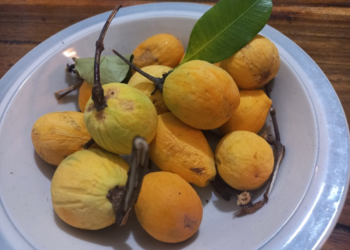
The banana most closely associated with Cambodian identity is the Chek Pong Moan (Khmer: ចេកពងមាន់, Chicken Egg Banana), regarded as Cambodia’s national fruit. Its scientific name is Musa aromatica. Small, round, and sweet, it’s often said to resemble a chicken’s egg, both in name and shape. It usually has a very thin skin.
- Grows abundantly near the Mekong and in home gardens
- A favorite snack and staple for desserts; also used in dried form
- Central to ceremonies: featured in weddings and traditional offerings
Everyday Bananas: Chek Namva and Beyond
The most common banana in local markets is the Chek Namva (Khmer: ចេកណាំវ៉ា, sometimes called Ice Cream or Blue Java Banana). It’s robust, versatile, and survives tough conditions, which perhaps explains its popularity.
- Used for eating raw, cooking, and offerings in religious practices
- Affordable and easy to grow, making it almost universal in home gardens
Other everyday bananas include:
- Chek Ambong (ចេកអំបូង): Often seen in wedding ceremonies, this variety remains green even as it ripens—a curious thing for a botanist!
- Chek Nuon (ចេកនួន) and Chek Bay (ចេកបាយ): Names frequently heard at roadside fruit stands, though their scientific identities may be a mystery
The Distinguished and the Rare: Red and Royal Bananas
Some bananas in Cambodia fetch high prices not just because of taste, but for their rarity or ceremonial status. The Chek Leak (ចេកលក្ខណ៍) red banana (Musa acuminata var. Red Dacca) stands out for its unusual color and hefty price. It’s less commonly grown, found in select rural areas, and the price per bunch is high compared to more common types.
- Chek Leak: Deep red skin, sweet, and prized for offerings
- Chek Pong Moan (also “Royal Banana”): Used for ceremonial gifting, especially during important festivals and weddings
Specialist Types: Cooking and Wild Bananas
Not all bananas are destined to be eaten raw. Some Cambodian varieties are valued only after cooking or are wild relatives gathered from the forest. These have long stories and often unique flavors or uses.
- Chek Snab Muk (ចេកស្នាប់មុខ) (Plantain): Best enjoyed boiled, used in both savory and sweet dishes
- Chek Prey (ចេកព្រៃ) (Forest Banana): A wild banana collected by foragers; sometimes used traditionally in local medicine or wild-food dishes
It is not uncommon to find families who treasure these wild or semi-wild bananas for their resilience and special uses, especially in lean times or for particular recipes.
List of Cambodian Bananas
Field guides, local elders, and market-sellers offer a cascade of banana names; some correlate with scientific varieties, others have origins lost in the mist of time.
Common Cambodian Bananas
Bananas as Survival and Ceremony
Bananas are more than food in Cambodia—they are survival crops. During times of hardship, particularly remembered from the Khmer Rouge era, people survived on bananas and banana stalks when rice was scarce. Bananas were, and still are, a true lifeline for rural families.
On the flip side, bananas are symbols of prosperity and celebration—the heart of wedding rituals, religious offerings, and traditional medicine. Market prices for special bananas like Chek Pong Moan climb during festival times, and their absence from a ceremony would be noted.
Banana Cultivation and Home Gardens
Bananas are among the first plants any Khmer child learns to cultivate. Their giant leaves and fast cycling from baby shoot to fruit make them ideal for food security and garden biodiversity. Plants are typically propagated by offshoots, and some families maintain several varieties, each with its own household use.
Banana cultivation clusters around the Mekong Delta and other river plains, but wild types can be found in more remote areas—often growing alongside bamboo and other native species.
Identification and Field Notes
The amateur botanist in Cambodia should be ready to recognize bananas by:
- Leaf size and shape—some are broad and paddle-like, while others are slender.
- Bunch and fruit size—from thumb-sized eggs to long, curving clusters.
- Color—ripe Chek Leak are brilliant red; Chek Pong Moan is pale yellow when ripe, green when not.
- Scent—some types, especially the ceremonial ones, have notable aromas.
Stems, cut leaves, and flowers find their way into Khmer cuisine and even medicine, often imparting subtle flavors to soups and stews.
Conclusion Cambodian banana species open up a lush corridor of biodiversity, taste, and tradition. From the national Chek Pong Moan through everyday Chek Namva, all the way to wild and cooking bananas known only to villagers and foragers, each variety is a tale in itself. Even as supermarkets spread, the banana patch remains central to garden, ritual, and plate—an endlessly fascinating subject for the amateur botanist, hungry for discovery in the heart of Cambodia.